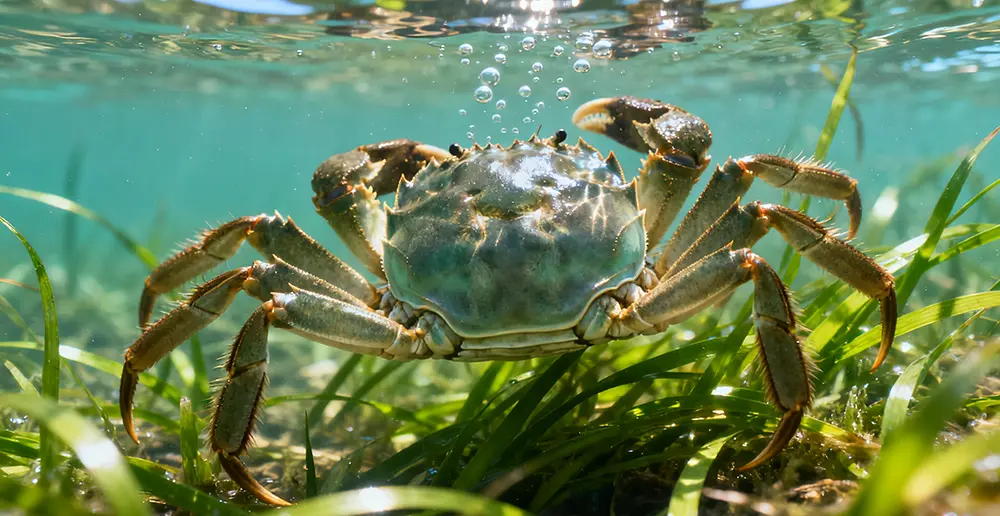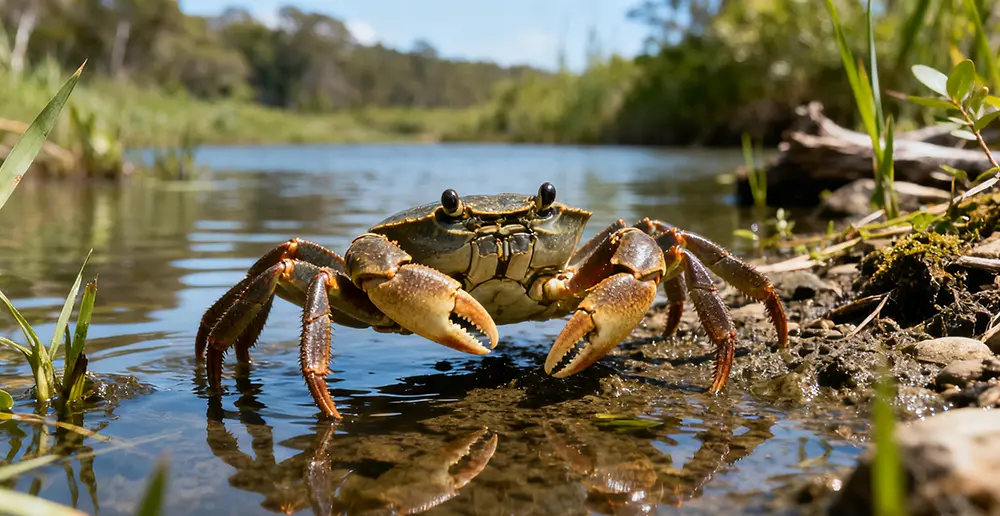
Current location:首页 > Crab > Flower Crab: Identification, Habits, Eating Value, Breeds, and Best Time to Enjoy
The flower crab (scientific name: Portunus pelagicus; Chinese name: 花蟹), also known as the blue swimming crab(远海梭子蟹或蓝蟹), is widely distributed in shallow to deep waters across the Indo-Pacific region and is a swimming crab species of significant economic value.
The carapace of the flower crab is spindle-shaped, typically ranging from 12 to 18 centimeters in width, with the largest recorded specimen reaching 25 centimeters. The carapace surface features distinct marbled patterns, and the anterolateral margin has nine sharp teeth, with the last tooth being particularly elongated. The chelipeds are slender and asymmetrical, with sharp spines on the carpus and inner margin, while the palm is smooth. The walking legs are flat and paddle-shaped, with the fifth pair being particularly adapted for swimming. Compared to the mud crab, the flower crab has a flatter body and more distinct patterns; compared to the swimming crab, the flower crab has more slender chelipeds and more developed swimming legs.
The body color of the flower crab varies significantly with sex and age: males are bluish-green with white markings, while females are grayish-green with dark spots; juveniles are lighter in color, which gradually darkens as they grow. The most distinctive features are the reticulated patterns on the carapace and the blue hues on the chelipeds. Compared to the red-spotted swimming crab, the blue tones of the flower crab are more pronounced; compared to the rust-spotted crab, its patterns are more regular and its colors more vivid. These color variations serve not only as camouflage but are also related to the individual's health and reproductive status.
The flower crab possesses several specialized structures adapted for swimming: a flattened body reduces swimming resistance; paddle-like walking legs provide propulsion; and a large gill chamber allows for the storage of water, supporting short-term survival out of water. Compared to benthic crabs, the flower crab is more agile; compared to rock crabs, its shell is lighter and thinner, facilitating rapid swimming. Its compound eyes provide a 360-degree field of vision, enabling it to detect predators in a timely manner.
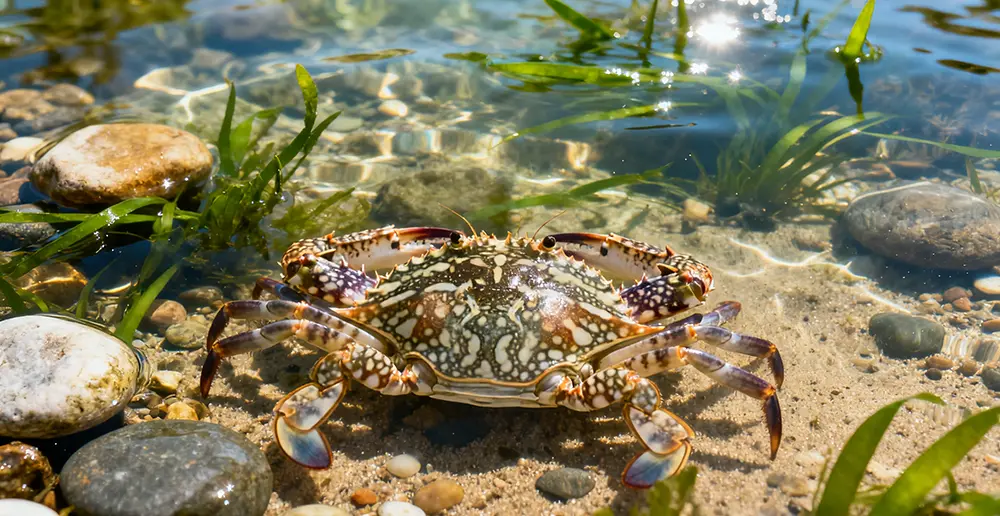
The flower crab is primarily distributed in the tropical and subtropical waters of the Indo-Pacific, ranging from East Africa to Polynesia, north to southern Japan, and south to northern Australia. It inhabits depths ranging from the intertidal zone to 100 meters, preferring sandy-muddy substrates or seagrass beds. The optimal water temperature is 20–30°C, with a salinity requirement of 25–35‰. Compared to coral crabs, flower crabs prefer open waters; compared to mud crabs, they are less selective regarding substrate and can adapt to a variety of seabed environments.
The flower crab is an opportunistic carnivore, primarily feeding on bivalves, small crustaceans, polychaetes, and fish carcasses. When hunting, it uses its chelipeds to crush the prey's shell and is highly active at night. It exhibits a burrowing habit, often hiding in the sand to ambush prey. Its daily food intake accounts for approximately 5–10% of its body weight. Compared to filter-feeding crabs, the flower crab exhibits a more active hunting strategy; compared to scavenger crabs, its food selection is fresher, with a preference for live prey.
The meat of the flower crab is tender and flavorful, with a protein content of approximately 18–20% and a fat content of less than 2%, making it a high-quality, high-protein, low-fat food source. It is rich in omega-3 fatty acids (EPA and DHA content reaches 300–500 mg/100 g), offering anti-inflammatory and cardiovascular protective benefits. In terms of minerals, it is particularly high in zinc and selenium, with zinc content exceeding 80% of the daily requirement and selenium content reaching 70% of the daily requirement. Compared to the brown crab, the flower crab has a more delicate texture; compared to the king crab, it has a lower fat content, making it more suitable for a healthy diet.
The meat of the flower crab is sweet and delicate, making it suitable for a variety of cooking methods. The most common preparations include steaming, stir-frying with ginger and scallions, or salt and pepper baking; in Southeast Asia, it is often used in curry crab dishes. Compared to the mud crab, the flower crab has a more tender texture; compared to the swimming crab, its sweetness is more pronounced. The optimal cooking time is 10–12 minutes for steaming; when stir-frying, briefly oil-fry first to seal in the flavor. The crab roe has a rich flavor and is suitable for making crab roe sauce or crab paste.
When consuming flower crabs, please note the following: First, they may carry Vibrio parahaemolyticus, so they must be thoroughly cooked before consumption; second, the gills and internal organs may accumulate heavy metals, so it is recommended to remove them before eating; third, individuals with allergies should exercise caution. Fishing for flower crabs is prohibited in certain protected areas, so consumers should choose products from legal sources. It is recommended to select live specimens; crabs that have been dead for more than 4 hours should not be consumed.
Common flower crab species found in the market include: the blue swimming crab (Portunus pelagicus, with blue-green patterns), the red-spotted swimming crab (Portunus sanguinolentus, with red spots), and the silver swimming crab (Portunus argentatus, with a silvery sheen). Distinguishing by appearance: the blue swimming crab has the most vibrant patterns; the red-spotted swimming crab has red spots on its chelipeds; and the silver swimming crab has a silvery-gray body color. Grading by size: Medium (200–300 g), Large (300–500 g), and Extra-Large (over 500 g).
Common species often confused in the market include: the mud crab (Scylla serrata), the swimming crab (Portunus trituberculatus), and certain rock crabs. Key identification points: the true flower crab has distinct patterns on its carapace; the mud crab has a sturdier build; the swimming crab has a more uniform color; and rock crabs have shorter, stouter chelipeds. There is a significant price difference: high-quality flower crabs cost 80–120 yuan per kilogram, while mud crabs are typically more expensive.
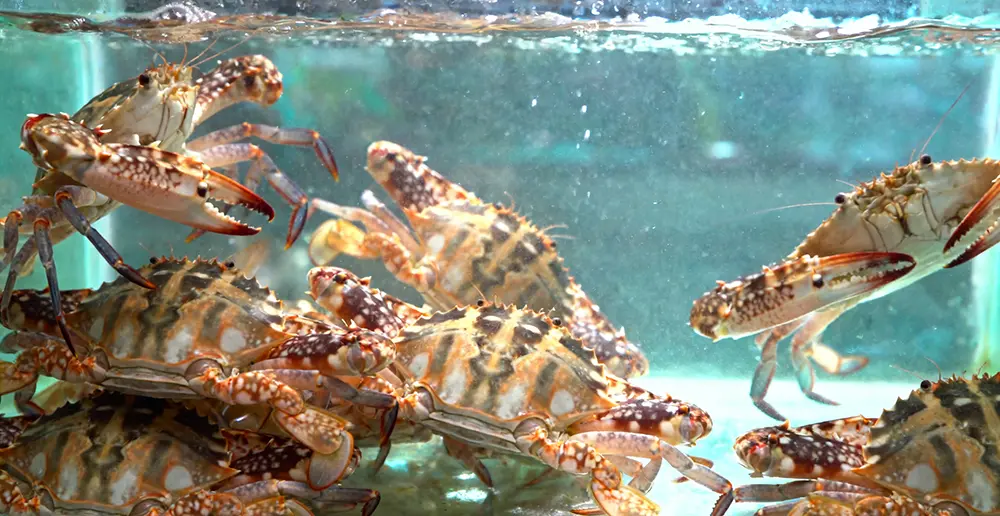
The best time to eat flower crabs is from late spring to fall (April–October), with the meat being at its most succulent in May and June. In tropical regions, they can be harvested year-round, though quality is lower during the rainy season. Compared to freshwater crabs, flower crabs have less pronounced seasonality; compared to deep-sea crabs, their quality is more significantly influenced by the lunar cycle, with the highest catch rates occurring around the full moon. Farmed flower crabs are available year-round, but their flavor is slightly inferior to that of wild ones.
Flower crabs have a short survival time out of water and are typically preserved by binding and refrigerating (8–10°C). Live transport requires maintaining humidity and ventilation. Modern preservation techniques, such as ultra-low-temperature flash freezing (-40°C), can maintain quality for 3–6 months. Consumers should note the following when purchasing: live flower crabs should be responsive and have intact appendages; frozen products should not have excessively thick ice coatings. Home storage recommendations: wrap in a damp cloth and refrigerate to preserve for 1–2 days; do not keep them in water.
Flower crabs play a vital role in marine ecosystems: as intermediate predators, they regulate benthic populations; they also serve as a food source for larger fish. Due to overfishing, populations have declined in some areas. Management measures include: minimum carapace width limits (typically requiring over 10 cm), bans on harvesting egg-bearing females, and the establishment of closed seasons. MSC certification promotes sustainable fishing, and fisheries in Australia and other regions have already obtained certification.
Flower crab aquaculture primarily employs pond and cage farming methods. Southeast Asian countries are the main producers, with an annual output exceeding 500,000 tons. Technical challenges include: low juvenile survival rates (larval stages are highly susceptible to mortality), severe cannibalism, and complex water quality management. In recent years, polyculture models have been developed, combining flower crabs with shrimp and fish to enhance economic returns.
Flower crabs hold an important place in Asian culinary culture: in Thailand, they are an essential ingredient in traditional Tom Yum soup; in Singapore, they are the main ingredient in chili crab; and in southern China, they are a common dish at banquets. The global flower crab industry has an annual output value exceeding $3 billion, with Asia serving as the primary consumer market. Processed products include frozen crab meat, crab roe sauce, and flavored crab products.
As a significant economic crab species, the biological characteristics and economic value of the flower crab warrant in-depth research.
From a morphological perspective, its unique color patterns and structural features adapted for swimming are highly distinctive; ecologically, it plays a pivotal role in the marine food web, necessitating scientific resource management; in terms of culinary value, its high-protein, low-fat meat is highly sought after, though food safety must be ensured. Species identification requires attention to body color and pattern characteristics to avoid confusion with similar crab species. Seasonality is pronounced, with the best quality available from late spring through fall. Resource conservation requires international cooperation, and aquaculture techniques are still under development.
The flower crab holds an important place in Asian culinary culture, and its industrial chain is well-established. Future efforts should focus on sustainable fishing, quality improvement, and market regulation to ensure the rational utilization of this marine resource.
References:
Morphological data: FAO Species Catalogue of Marine Decapods
Ecological Habits: Related studies in the Journal of Crustacean Biology
Nutritional Composition: USDA National Nutrient Database
Aquaculture Techniques: Studies from the journal Aquaculture (2010–2023)
Resource Status: FAO Annual Fisheries Statistics
Economic Data: Statistical reports from the World Aquaculture Society
Hairy Crab: Form, Life, Flavor, Types, and Season
Home Back to ColumnMacLehose Crab Decoded: Morphology, Habits, Edible Value, Varieties, and Timing
 Swordfish: The Silver Blade of the Ocean
 Hardhead Catfish Decoded: Morphology, Habits, Edible Value, Varieties, and Timing
 Oysters: Living Filters of the Ocean
 On the Bamboo Clam: Morphology, Burrowing Habits, Edible Value, Species Diversity, and Seasonal Occu
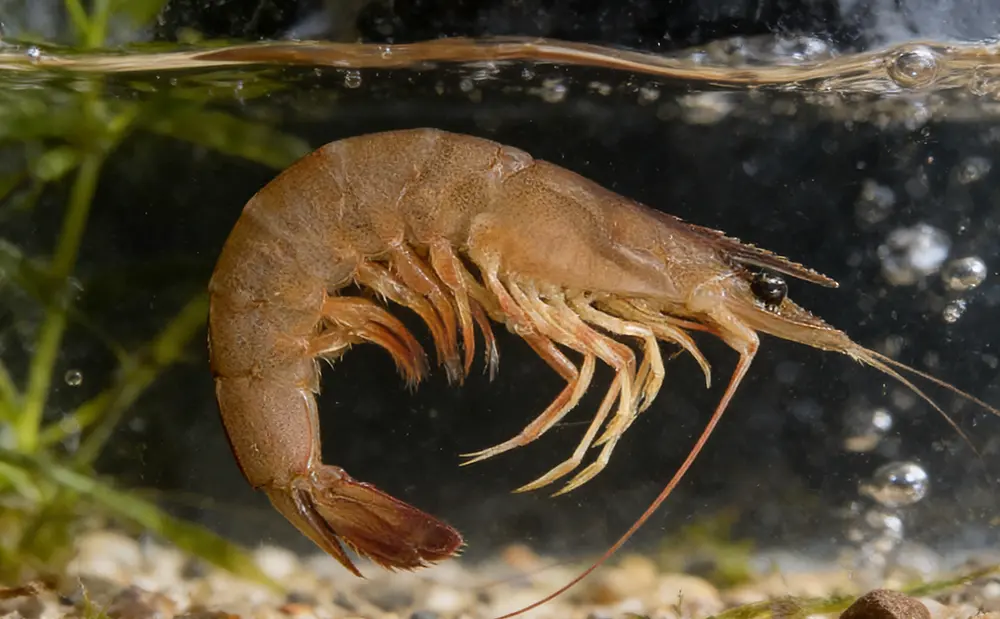 Comprehensive Study of the Giant Tiger Prawn (Penaeus monodon) in Indonesian Waters
Comprehensive Study of the Giant Tiger Prawn (Penaeus monodon) in Indonesian Waters
Oysters: Living Filters of the Ocean
Oysters: Living Filters of the Ocean
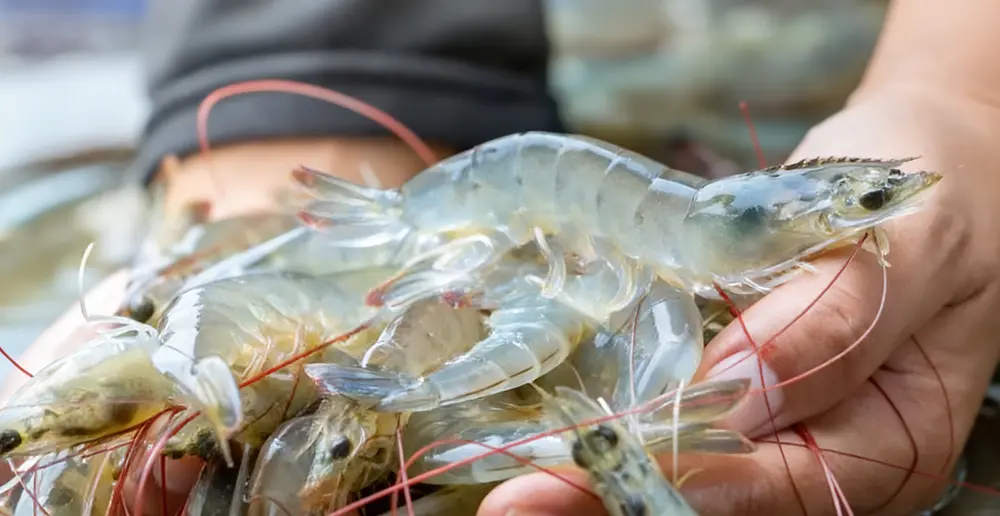 A Comprehensive Analysis of the Indonesian White Prawn (Penaeus merguiensis)
A Comprehensive Analysis of the Indonesian White Prawn (Penaeus merguiensis)