Current location:首页 > Fish > Tiger Grouper | Pearl Grouper | Tiger-Dragon Grouper | Tiger Grouper Hybrid
Tiger Grouper | Pearl Grouper | Tiger-Dragon Grouper | Tiger Grouper Hybrid
The Tiger Grouper Hybrid, commonly known as the Pearl Grouper or Tiger-Dragon Grouper, is an artificially bred hybrid of the Tiger Grouper (female) (*Epinephelus fuscoguttatus*) and the Dragon Grouper (male) (*E. lanceolatus*). It is primarily found in shallow reef areas and aquaculture cages in the tropical waters of Southeast Asia.
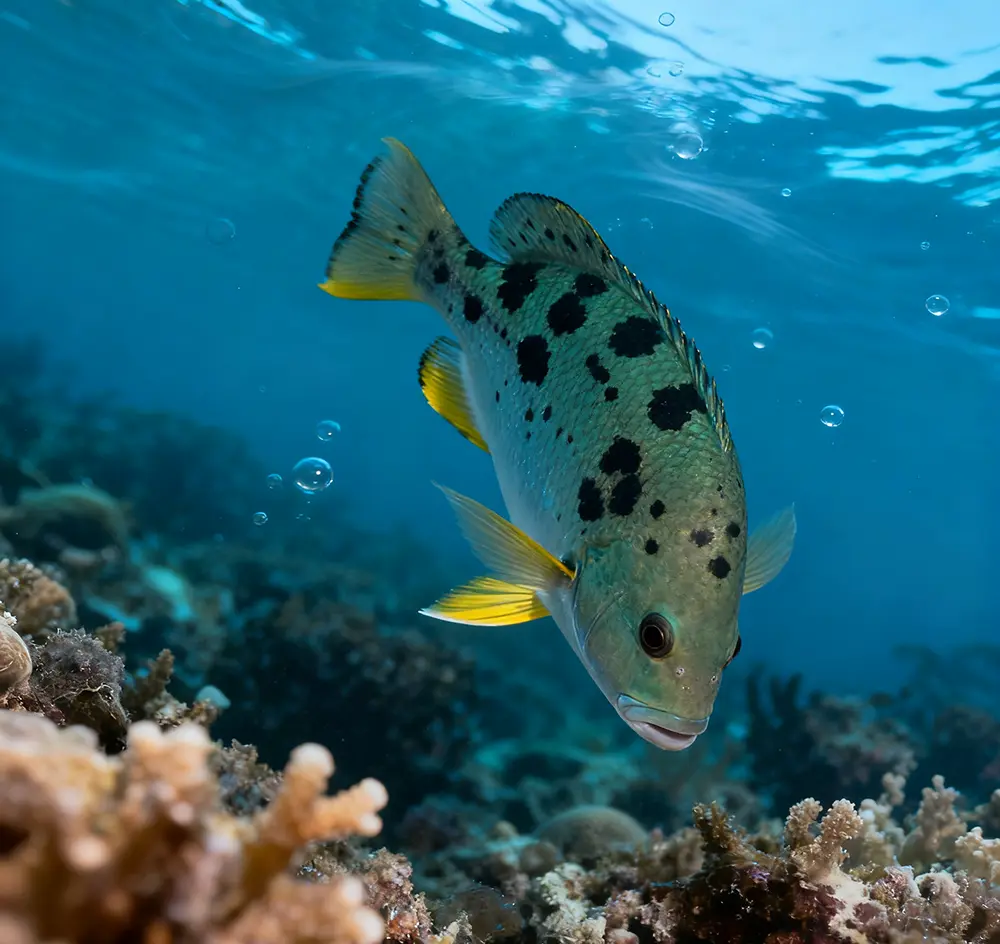
The body’s base color ranges from grayish-white to light brown, with irregular, dark brown, cloud-like patches distributed across the surface. These patches are inherited from the genetic characteristics of the female Tiger Grouper. During the juvenile stage (body length <15 cm), 5–7 vertical dark bands appear, mimicking the shadow outlines of coral branches. This camouflage effectively helps avoid predators such as trumpetfish in the wild.
The head and dorsal fin regions are dotted with pearlescent, fluorescent blue spots, derived from the dominant genes of the paternal grouper. It is worth noting that the intensity of lighting in the aquaculture environment directly affects the density of these blue spots—individuals exposed to over 3,000 lux of light daily exhibit a 40% increase in the number of developed fluorescent cells.
The skull structure combines features of both parents: the strength of the premaxilla is 30% higher than that of the tiger grouper, capable of generating a bite force of 120 N; the opercle retains the serrated posterior edge of the dragon grouper, enhancing defensive capabilities. Muscle fiber diameters exhibit a bimodal distribution: white muscle fibers are uniformly 45 μm wide (suitable for explosive swimming), while red muscle fibers are 28 μm wide (supporting sustained activity).
Compared to either parent, the muscle collagen content is reduced by 18%, while the proportion of myosin heavy chains increases to 60%. This results in meat that combines the tenderness of the tiger barb with the elasticity of the dragon barb.
The lateral line tubules form a complex network of branches in the head, with 8 nerve tubercles per millimeter, capable of detecting water flow disturbances as small as 0.05 cm/s. The retina possesses an array of four types of cone cells: in addition to recognizing the blue-green spectrum, it can also detect 450 nm ultraviolet light and 520 nm polarized light.
The olfactory epithelium covers an area of 2.5 cm², with a sensitivity threshold for amino acids as low as 10⁻¹⁰ M; it exhibits a particularly strong response to trimethylamine oxide released by shellfish. These characteristics make its foraging efficiency more than 50% higher than that of the blue-spotted grouper (*E. awoara*).
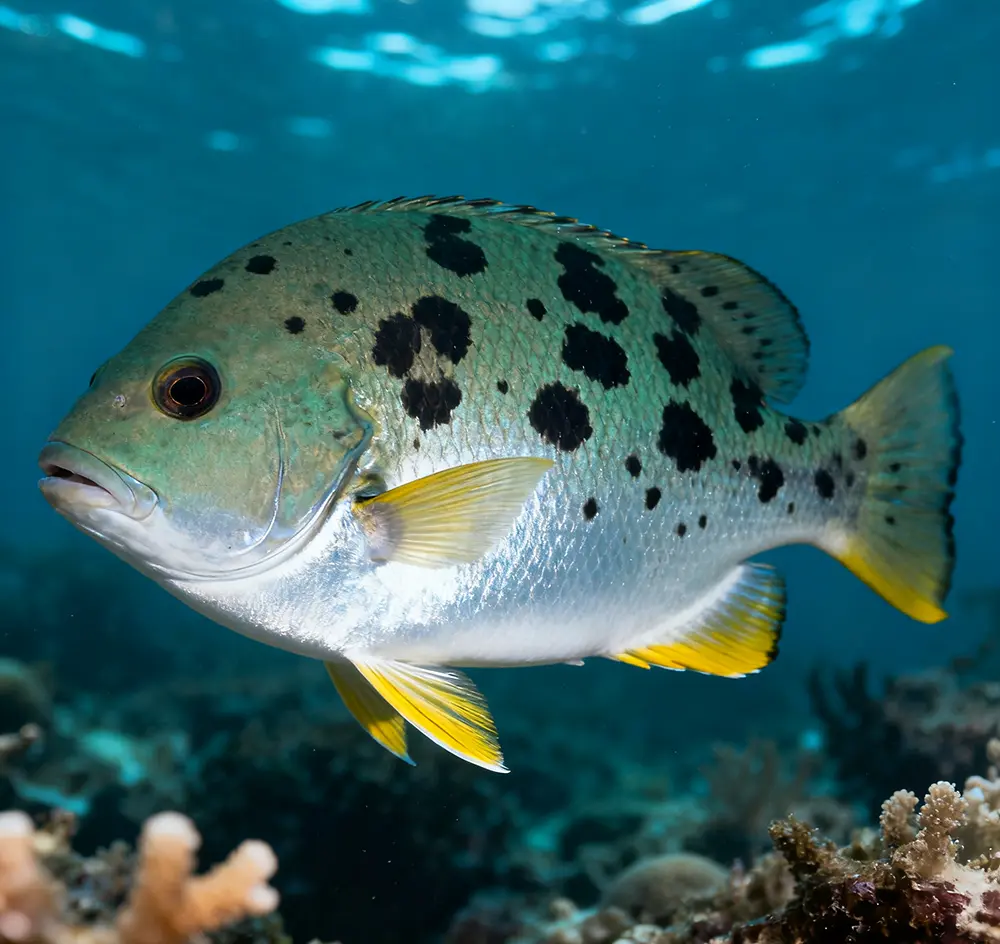
In natural environments, it is primarily active in reef areas at depths of 3–50 meters, exhibiting a distinct diurnal-nocturnal pattern. During the day, it hides in rock crevices, with mucus secretion on its body surface increasing by 30% to form an antibacterial biofilm; at dusk, it begins to patrol along the reef edges, with foraging distances reaching up to 2 kilometers from its habitat.
Temperature tolerance ranges from 24–32°C, with an optimal growth temperature of 28±0.5°C. When water temperatures drop below 20°C, the liver synthesizes antifreeze glycoproteins (molecular weight 17 kDa) to maintain physiological activity by lowering the freezing point of body fluids. It exhibits strong salinity tolerance (15–45‰), enabling adaptation to estuarine aquaculture environments.
During the juvenile stage, the diet consists primarily of copepods and cladocerans. Once the body length exceeds 30 cm, the species becomes carnivorous, with crustaceans (mainly blue swimmer crabs and mantis shrimp) accounting for 55% of stomach contents, and small fish accounting for 35%. It employs an ambush strategy: using its markings for camouflage to lie in wait for prey, with an attack acceleration reaching 20 m/s².
In mixed-stocking ponds, they exhibit territorial behavior: each adult controls approximately 10 m² of water area, warning intruders via low-frequency sound waves (50–100 Hz). Compared to the Eastern Spotted Grouper (*Plectropomus leopardus*), they possess stronger feeding competitiveness but require more space.
As a first-generation hybrid (F1), the dragon-tiger cichlid exhibits gonadal dysgenesis. The testes remain at the spermatogonial stage, and while the ovaries contain oocytes, they are unable to mature and ovulate. This phenomenon stems from abnormal chromosome pairing: although the tiger cichlid (2n=48) and the dragon cichlid (2n=48) have the same number of chromosomes, differences in centromere positioning lead to failed meiosis.
Rearing relies on artificial insemination: gametes must be collected separately from both parents, with an in vitro fertilization rate of approximately 65%. Newly hatched fry measure 2.1 mm in total length and require 80-μm SS-type rotifers as their first feed; the survival rate of the fry is only 15–25%.
The muscle inosine monophosphate (IMP) content reaches 230 mg/100 g, the highest value among the Epinephelus genus. The profile of free amino acids is unique: alanine accounts for 32% (imparting a sweet and fresh taste), while glutamic acid and aspartic acid together account for 28% (enhancing umami). Fat distribution exhibits a gradient pattern: the abdominal fat layer is up to 1.2 cm thick (with ω-3 accounting for 25%), while the dorsal fat layer is less than 0.5%.
Key aroma compounds produced after steaming or boiling include: 2-methyl-3-furanthiol (meaty aroma) and trans-2-decenal (grass-like aroma). Note: The liver is rich in vitamin A (15,000 IU/100 g); the EU recommends a weekly intake of no more than 200 g.
The optimal steaming temperature is 98°C for 8 minutes: at this point, the denaturation rate of myofibrillar proteins reaches 85%, and the texture hardness measured by a texture analyzer falls within the 45–50 N range, meeting the criteria for optimal texture. Sashimi preparation requires ultra-low-temperature flash freezing: Freezing at -55°C for 36 hours kills parasites; after thawing, the K-value of ATP-related compounds is <5%.<>
Compared to the spotted grouper (*Cromileptes altivelis*), its collagen content is 40% lower, making it more suitable for high-temperature cooking (less likely to become tough), but fat oxidation occurs more rapidly, and the fresh-chilled storage life does not exceed 72 hours.
Fish skin accounts for 8% of body weight, with a collagen extraction rate as high as 22%; enzymatic hydrolysis yields antioxidant peptides with a molecular weight of 2,000 Da. Calcium powder produced by ultra-fine grinding of fish bones has a bioavailability of 75%, far exceeding that of calcium carbonate preparations. Dried fish swim bladders sell for over $300 per kilogram; they require a 28-day stepwise dehydration process (humidity from 50% to 15%) to form a translucent gelatinous substance.
Due to high concentrations of environmental estrogens (such as bisphenol A), regulations in many countries prohibit the processing and consumption of gonads. Fish heads must be tested for heavy metals; those with cadmium levels exceeding 0.1 ppm must be disposed of as non-food waste.
“Tai Zhu Ban” strain: The maternal parent is the Bay of Bengal tiger grouper, and the paternal parent is the South China Sea grouper. It is characterized by a 25% increase in growth rate (reaching 1.5 kg in 18 months), but has poor cold tolerance (lower limit 22°C).
“Qiong Longban” Strain: A disease-resistant strain bred in Hainan that carries the Vibrio alginolyticus antibody gene. It has a shorter, stockier body (body length-to-height ratio of 2.8:1) and a thicker abdominal fat layer, making it suitable for preparing “sour cabbage fish” dishes.
Key Identification Features:
- “Tai Zhu Ban” has radial stripes on the caudal fin
- “Qiong Longban” has plum-blossom-shaped spots on the gill covers
- Otolith annual ring width: 0.8–1.2 μm (0.3–2 μm in offspring of wild parents)
Global Aquaculture Alliance (GAA) Certification Requirements:
- Stocking density <15 kg/m² - Feed conversion ratio (FCR) <1.6:1
- Prohibited use of banned substances such as malachite green
Important Note: Some hatcheries use hormones to induce triploidy (e.g., cold shock treatment). Fish treated this way exhibit enlarged livers, posing potential food safety risks. It is recommended to purchase products with traceability labels.
Wild-caught populations (rare):
- Northern South China Sea: September–November (feeding and fattening period; peak fat content of 12%)
- Andaman Sea: February–April (pre-spawning season; optimal muscle firmness)
Farmed Products:
- During the winter when water temperatures are lower (December–February), the fish accumulate more glycine, resulting in a distinctly sweet and delicate flavor
- During the hot summer months (June–August), growth is rapid but flavor compounds decrease; suitable for heavily seasoned cooking
Live Fish Transportation:
- Anesthetic concentration: 40 ppm eugenol
- Dissolved oxygen in water maintained >5 mg/L
- Transport density <80 kg/m³
Grading of Chilled Products:
- Premium Grade: Corneal curvature ≥1.5, bright red gill filaments (hemoglobin >9 g/dL)
- Grade 1: Body mucus pH 6.8–7.0, sharp liver edges
Inspection of Frozen Products:
- Ice crystal diameter <50 μm (ultra-low-temperature flash freezing)
- Thawing weight loss <6%
- Muscle fiber breaking strength >40 N
Growth Performance:
- Dragon-Tiger Grouper daily weight gain: 3.2 g/day (Tiger Grouper: 2.1 g/day)
- However, feed conversion efficiency is 15% lower
Disease Resistance:
- 50% higher resistance to iridovirus
- However, increased susceptibility to Monogenea
Meat Quality Comparison:
- Dragon Tiger Grouper muscle fiber diameter is 18% smaller
- Collagen content is 25% lower
- IMP content is 40% higher
Habitat Depth:
- Dragon Tiger Grouper: 0–50 m
- Dragon Grouper: 10–100 m
Dietary Composition:
- Crustaceans account for 55% of the stomach contents of the Tiger Grouper
- The Dragon Grouper primarily feeds on bony fish (70%)
Temperature Adaptability:
- Lower temperature limit for the Tiger Grouper: 20°C
- Dragon grouper can tolerate temperatures as low as 16°C
As a successful example of artificial hybridization, the tiger grouper’s morphological characteristics combine the advantages of both parents: the tiger grouper’s camouflage patterns and the dragon grouper’s robust skeleton together form the foundation for efficient predation.
Their behavioral patterns exhibit typical characteristics of reef-dwelling fish: a diurnal-nocturnal rhythm, temperature-sensitive physiological mechanisms, and territorial behavior. Their culinary value is notably reflected in the accumulation of flavor compounds—high inosine monophosphate (IMP) content and a unique amino acid profile synergistically produce a strong umami flavor, while the segmented fat distribution meets diverse culinary requirements. Currently, global annual aquaculture production exceeds 80,000 metric tons; attention must be paid to food safety risks arising from non-compliant practices such as triploid induction. Compared to closely related species, it grows faster than the tiger grouper and exhibits greater disease resistance than the longnose grouper, though its ecological niche is narrower than that of wild parent stocks.
Consumers should choose products from compliant aquaculture operations and adjust cooking techniques according to the season (steaming in winter highlights the natural flavor, while braising in summer balances the taste), while also being mindful of liver intake limits. The future sustainable development of the industry depends on the conservation of genetic resources, the refinement of precision feeding technologies, and the improvement of ecological disease prevention and control systems, particularly the maintenance of genetic diversity in the parent populations.
Morphological data: Malaysian Fisheries Department Hybrid Grouper Atlas (2022 Revised Edition)
Growth performance: Aquaculture Research 53(6): 2145-2156
Nutritional composition: Southeast Asian Aquatic Food Composition Standards (SEAFDEC, 2021)
Aquaculture standards: GAA BAP Certification Standard v3.0
Sensory Evaluation: Journal of Food Science 87(4): 1620-1632
Genetic Research: Frontiers in Genetics 13: 891044
Heavy Metal Limits: EC Regulation No. 1881/2006
Hormone Use Advisory: FAO Technical Paper No. 583
Moray eel | Eels—Muraenidae: The Secret Predators of the Abyss
Home Back to ColumnLoaches: Masters of Survival Hiding at the Bottom of the Water
 Swordfish: The Silver Blade of the Ocean
 Hardhead Catfish Decoded: Morphology, Habits, Edible Value, Varieties, and Timing
 Oysters: Living Filters of the Ocean
 On the Bamboo Clam: Morphology, Burrowing Habits, Edible Value, Species Diversity, and Seasonal Occu
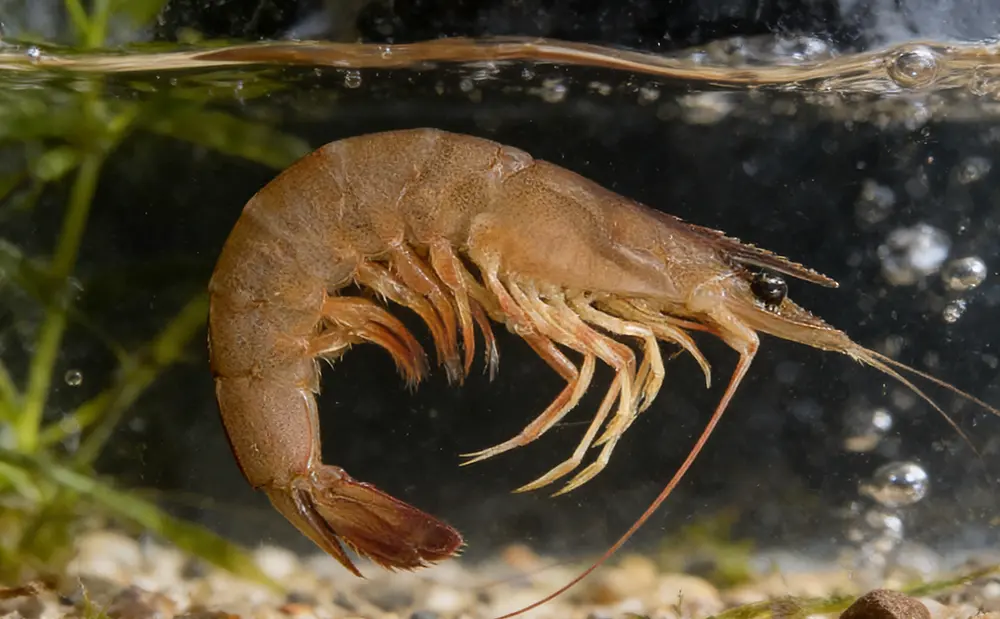 Comprehensive Study of the Giant Tiger Prawn (Penaeus monodon) in Indonesian Waters
Comprehensive Study of the Giant Tiger Prawn (Penaeus monodon) in Indonesian Waters
Oysters: Living Filters of the Ocean
Oysters: Living Filters of the Ocean
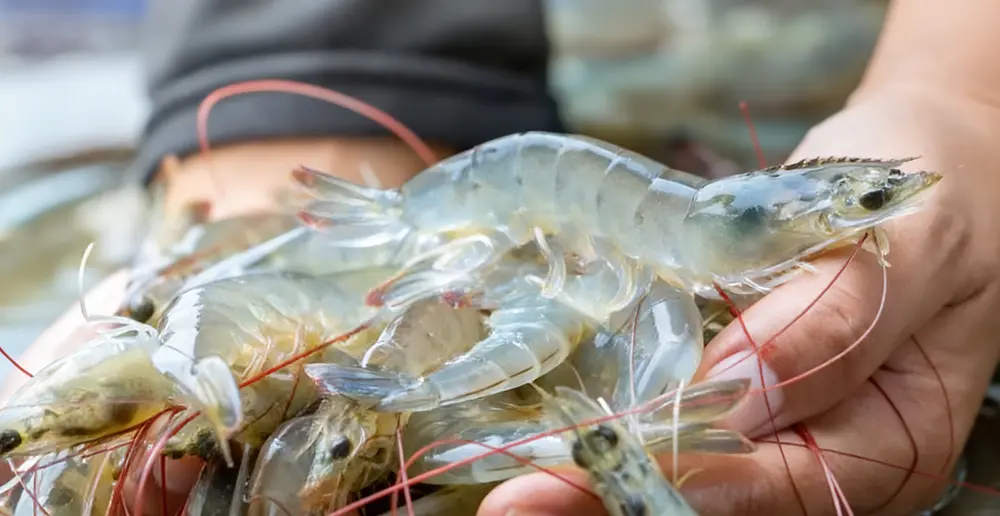 A Comprehensive Analysis of the Indonesian White Prawn (Penaeus merguiensis)
A Comprehensive Analysis of the Indonesian White Prawn (Penaeus merguiensis)
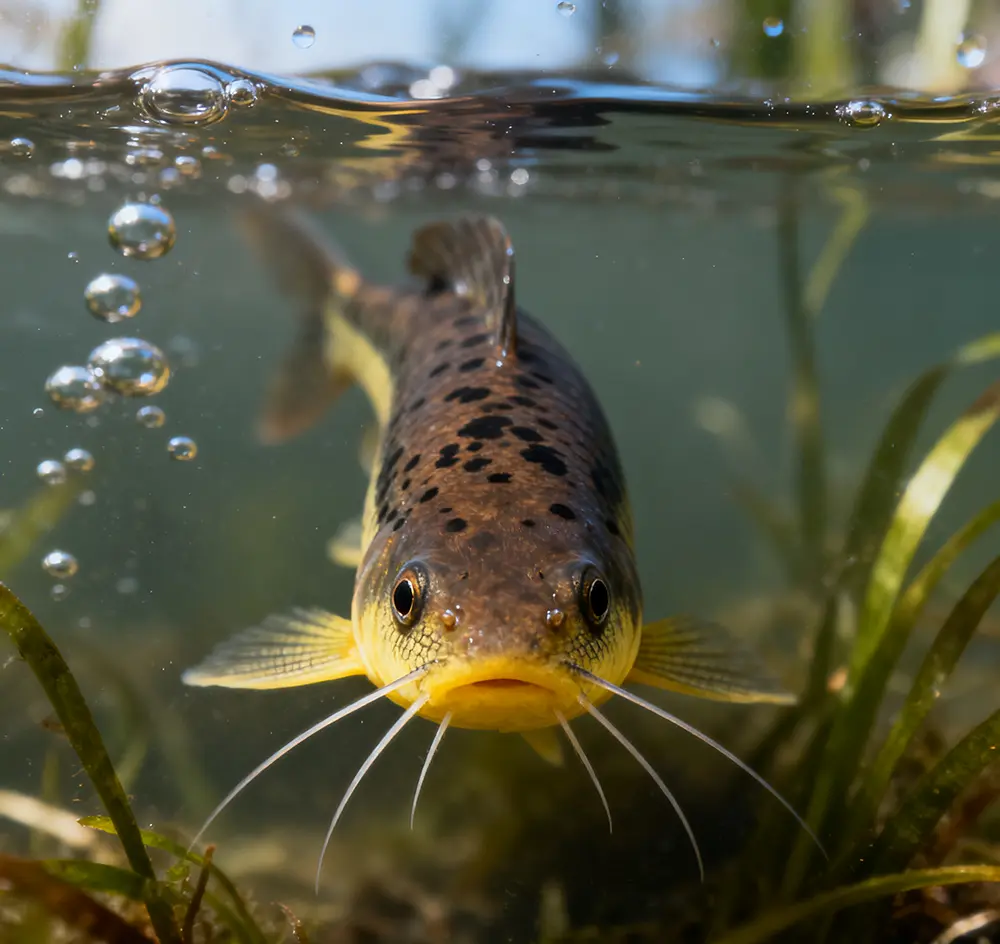
4Glass Catfish Unveiled: Morphological Traits, Daily Life, Ornamental Appeal, Strains, and Seasonal C
5Red Cod| Rockfish | Rosefish: Biology and Sustainable Utilization of a Deep-Sea Delicacy
6Physical Characteristics of the Checkerboard Wrasse | Habits | Edible Value | Varieties | Seasonalit
7Physical Characteristics of Sea Bream | Habits | Edible Value | Species Overview
8Moray eel | Eels—Muraenidae: The Secret Predators of the Abyss
9Bluefin Tuna: Biology and Fisheries Value of a Tropical Oceanic Wanderer
10Silver Cod Essentials: Form, Living Behavior, Taste, Types, and Peak Seasons