Turbo cornutus (scientific name: Turbo cornutus; Chinese name: 角蝾螺, 涡轮螺), also known as the Horned Turban, is primarily found in rocky reef areas along the coast of the northwestern Pacific. It is a large sea snail of significant ecological and economic value.
The shell of Turbo cornutus is top-shaped or conical, with a thick, sturdy structure. The shell height of adult individuals typically ranges from 5 to 10 centimeters, with the largest recorded specimen reaching 15 centimeters. The shell apex is blunt and rounded, with approximately 6 to 7 whorls and a distinct suture. The shell surface features well-developed spiral ribs and growth lines, as well as multiple horn-like projections, which become more pronounced with age. The shell aperture is nearly circular; the operculum is calcareous, with a convex outer surface and a flat inner surface bearing spiral ridges. The shell color is typically gray-green or yellowish-brown, often featuring dark spots or stripes. Compared to abalone, the shell of Turbo cornutus is thicker and heavier, with a more pronounced spiral structure; compared to Trochus snails, the horn-like projections of Turbo cornutus are more developed, and its shell shape is more robust.
The soft parts of Turbo cornutus primarily include a well-developed foot, head, visceral mass, and mantle. The foot is muscular and flattened, used for adhering to rock surfaces and moving. The head has a pair of tentacles, with eyes located at the base of the tentacles. The radula is well-developed, typically with a dentition formula of ∞·5·1·5·∞, adapted for scraping algae. The digestive system includes the mouth, esophagus, stomach, intestine, and digestive glands, with a particularly well-developed digestive gland. Compared to abalone, the foot of Turbo cornutus has stronger adhesive power; compared to top shells, the radula of Turbo cornutus is harder, making it suitable for scraping tougher algae.
Turbo cornutus possesses several specialized structures adapted to life on rocky reefs: a calcareous operculum that completely seals the shell opening, preventing desiccation and protecting against predators; foot glands that secrete a potent mucus to enhance adhesion; and sensory papillae along the mantle margin that detect environmental changes. Compared to murex snails, Turbo cornutus moves more slowly but with greater stability; compared to cone snails, Turbo cornutus has stronger defensive capabilities but lacks aggressiveness.
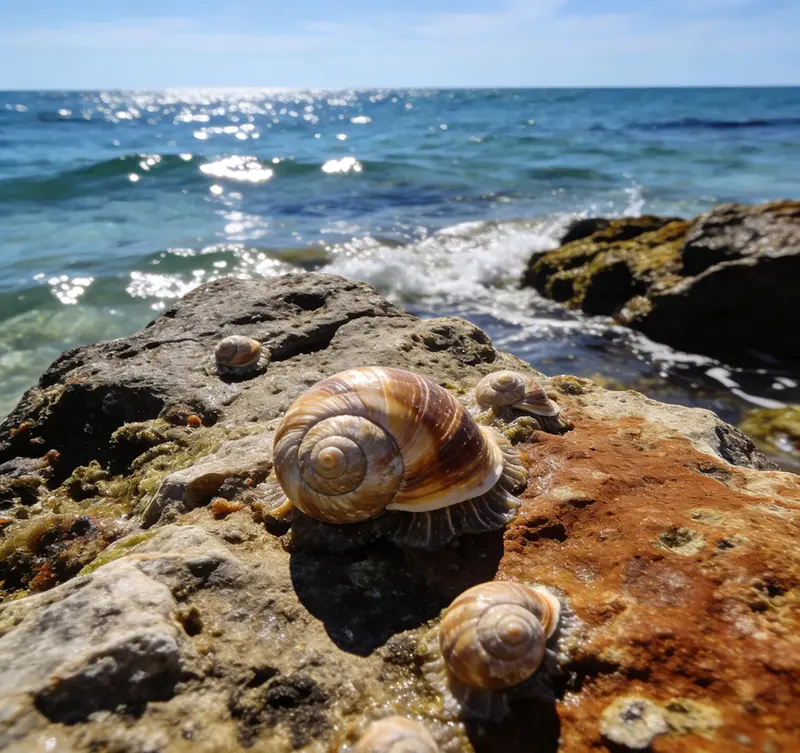
Turbo cornutus is primarily distributed along the coasts of the northwestern Pacific, including China, Japan, and South Korea, and is commonly found in rocky reef areas ranging from the intertidal zone to depths of 20 meters. The optimal water temperature is 15–25°C, with a salinity of 30–35‰, and it exhibits strong tolerance to wave impact. It typically attaches to rock surfaces or hides in crevices among reefs and is distinctly nocturnal. Unlike abalone, which prefer flat rock surfaces, Turbo cornutus favors complex reef environments; compared to Trochus snails, Turbo cornutus inhabits greater water depths and is better adapted to deeper water.
Turbo cornutus is herbivorous and primarily uses its radula to scrape microalgae, macroalgae, and organic detritus from rock surfaces. Feeding occurs mainly at night, while it hides in crevices during the day. The hardness of its radula reaches 3–4 on the Mohs scale, enabling it to scrape calcified algae. Compared to abalone, Turbo cornutus has a broader dietary range; compared to top shells, Turbo cornutus is a more efficient feeder and can process tougher algae. When food is scarce, it can survive for several weeks by reducing its metabolic rate.
The meat of Turbo cornutus is firm, with a protein content of approximately 15–18% and a fat content of less than 1%, making it a high-quality, high-protein, low-fat food source. It is rich in amino acids such as taurine (200–300 mg per 100 g) and glutamic acid, which help protect the liver and boost immunity. In terms of minerals, zinc and selenium stand out: zinc content meets over 50% of the daily requirement, while selenium content reaches as high as 70% of the daily need. Compared to abalone, Turbo cornutus has lower cholesterol levels; compared to other sea snails, Turbo cornutus offers a more balanced profile of trace elements, particularly with higher calcium content.
The meat of Turbo cornutus is relatively tough and requires proper preparation to achieve the best texture. The most common methods involve long simmering or pressure cooking to tenderize the meat; alternatively, it can be sliced and stir-fried quickly. In Japanese cuisine, it is often used as an ingredient in miso soup, while in Korean cuisine, it is frequently used to make spicy stir-fried snail meat. Compared to abalone, the meat of Turbo cornutus is firmer but slightly less umami; compared to Trochus snails, Turbo cornutus has more meat but requires longer cooking times. The optimal cooking time is 20–30 minutes in a pressure cooker or 1–2 hours in a regular pot.
Common species of Turbo snails in the Chinese market include: Turbo cornutus (shell height 5–10 cm, with prominent horn-like projections), Turbo chrysostomus (with a golden-yellow shell aperture), and Turbo argyrostomus (with a silvery-white shell aperture). Distinguishing by appearance: Turbo cornutus has a gray-green shell with well-developed horn-like projections; Turbo chrysostomus has a rounder shell shape with a golden shell aperture; Turbo argyrostomus has a whitish shell with a silvery-white shell aperture. Classification by size: Small (5–7 cm), Medium (7–9 cm), and Large (9 cm and above).
Common species often confused in the market include: abalone (Haliotis spp.), Trochus snails (Trochus spp.), and certain murex snails. Key identification points: True Turbo cornutus has a top-shaped shell with horn-like projections; abalone shells are flat and ear-shaped; Trochus shells are conical with no horn-like projections; and murex shells have long spines. There is a significant price difference: high-quality Turbo cornutus costs 60–80 yuan per kilogram, while abalone prices are typically 3–4 times higher. In processed products, the meat of true Turbo cornutus is whitish in color and has a firm texture; counterfeit products often use other snail species as substitutes, resulting in inferior meat quality and flavor.
The harvesting season for wild Turbo cornutus varies by region: along China's coast, the main fishing season is in autumn and winter (September–February); in Japanese waters, the best quality is found in winter (November–January); and in South Korea, harvesting typically occurs in spring and autumn. Farmed Turbo cornutus is available year-round, but the optimal time for consumption remains winter, when the meat is at its most succulent and glycogen accumulation is highest. Compared to seafood like abalone, which has distinct seasonal variations in fat content, the quality of Turbo cornutus fluctuates less. However, Turbo cornutus harvested during the breeding season (spring) has a poorer flavor and softer texture.
Turbo cornutus survives for a long time out of water, so preservation requirements are relatively low: live snails should be transported at 5–10°C; shelled snail meat must be flash-frozen (-40°C). Traditional preservation methods include salting, drying, and pickling. Modern preservation techniques, such as vacuum packaging, can extend the shelf life of fresh products to 5–7 days. Consumers should note the following when purchasing: live Turbo cornutus should have tightly closed opercula that snap shut when touched; fresh meat is milky white and elastic; frozen products should be well-sealed with no excessive ice crystals. Home storage recommendations: live specimens can be kept for 3–5 days in a humid environment at 5–10°C; frozen at –18°C, they can be stored for 6 months.
Turbo cornutus plays a vital role in rocky reef ecosystems: as a consumer of algae, it helps control excessive algal growth; it serves as food for starfish, fish, and other species; and its empty shells provide habitats for other organisms. Due to overharvesting, populations of many wild species have declined; for example, wild Turbo cornutus resources in some coastal regions of China are now only 30% of what they were in the 1980s. Conservation measures include establishing closed seasons, setting size limits for harvesting, and conducting restocking programs. Certain specific species, such as particular Turbo varieties in Japan, are listed as locally protected species, and commercial harvesting is prohibited.
Turbo cornutus aquaculture primarily employs methods such as bottom sowing and cage culture. China is a major global producer of Turbo cornutus, with an annual output of approximately 100,000 tons, primarily from coastal areas in Fujian, Zhejiang, and Shandong. Technical challenges include: seedling propagation (low larval metamorphosis rates), pest control (particularly against starfish and crabs), and quality control. In recent years, eco-farming models have been developed, combining Turbo cornutus with sea cucumbers, sea urchins, and other species to enhance overall economic benefits. Compared to abalone farming, Turbo cornutus farming requires a more complex rocky reef environment; compared to scallop farming, Turbo cornutus has a longer growth cycle and a slower return on investment.
Turbo cornutus holds a special place in East Asian culture: along China's southeastern coast, it is regarded as "auspicious seafood" and is a common dish at banquets; in Japan, it serves as a premium ingredient for celebratory ceremonies; and in South Korea, it is used in traditional medicinal cuisine. The global Turbo cornutus industry has an annual output value exceeding $500 million, with East Asia serving as the primary consumer market. Processed products include frozen meat, canned goods, dried products, and extracts. Compared to high-end seafood such as abalone and sea cucumber, Turbo cornutus is more affordable and appeals to a broader consumer base.
As an important commercial snail species, Turbo cornutus warrants attention for its unique biological characteristics and economic value.
From a morphological perspective, the horn-shaped shell and calcareous operculum are distinctive features of Turbo cornutus; ecologically, its adaptability to rocky reef environments makes it a keystone species; in terms of culinary value, its high-protein, low-fat meat is rich in various nutrients, though cooking methods must be carefully considered. Species identification requires attention to shell shape and aperture characteristics to avoid confusion with similar snails. It exhibits distinct seasonality, with the best quality available in winter. Resource conservation is becoming increasingly important, and advances in aquaculture technology help alleviate pressure on wild populations. Turbo cornutus holds a special place in East Asian culinary culture, and its economic value continues to grow.
In the future, a balance must be struck between sustainable resource utilization, quality improvement, and market development to ensure the long-term sustainability of this marine snail resource.
Ecological Habits: Relevant studies in the *Journal of Molluscan Studies*
Nutritional Components: Standard Edition of the Chinese Food Composition Tables
Farming Techniques: Relevant studies in the *Journal of Fisheries Sciences of China* (2008–2022)
Resource Status: FAO Annual Fisheries Statistics
Economic Data: China Fisheries Statistical Yearbook
 Swordfish: The Silver Blade of the Ocean
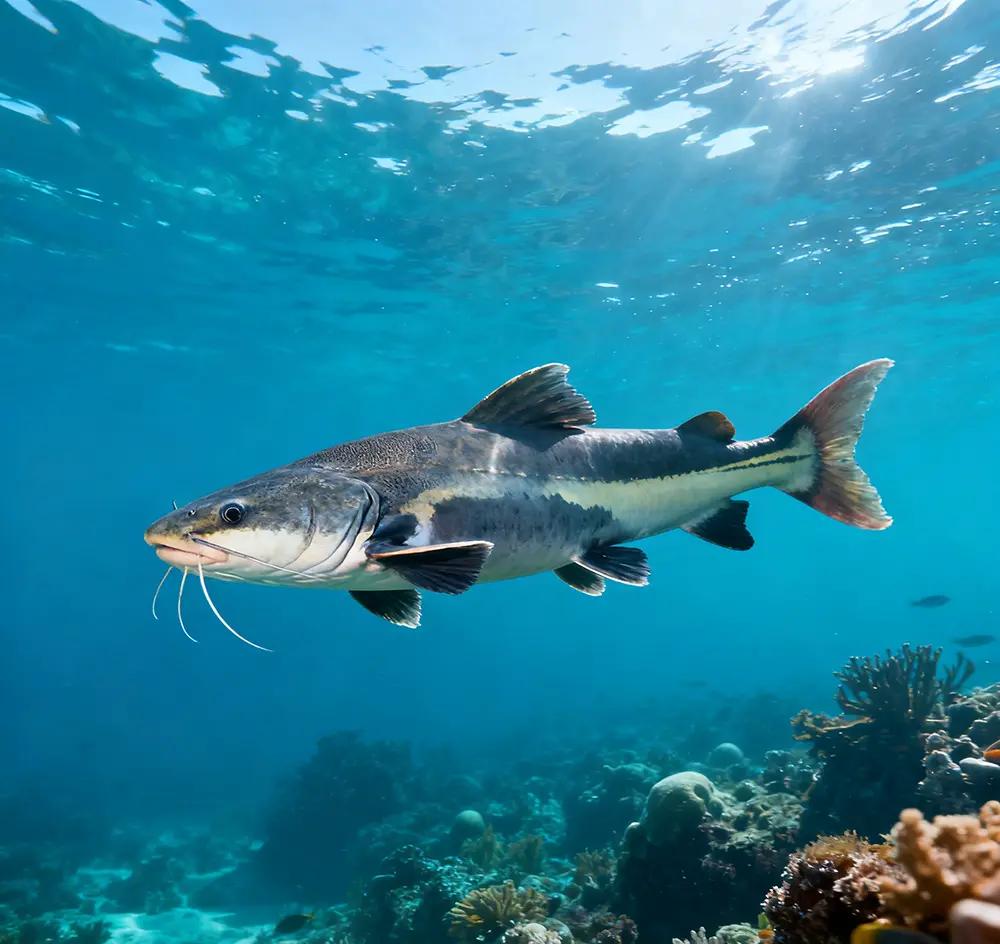 Hardhead Catfish Decoded: Morphology, Habits, Edible Value, Varieties, and Timing
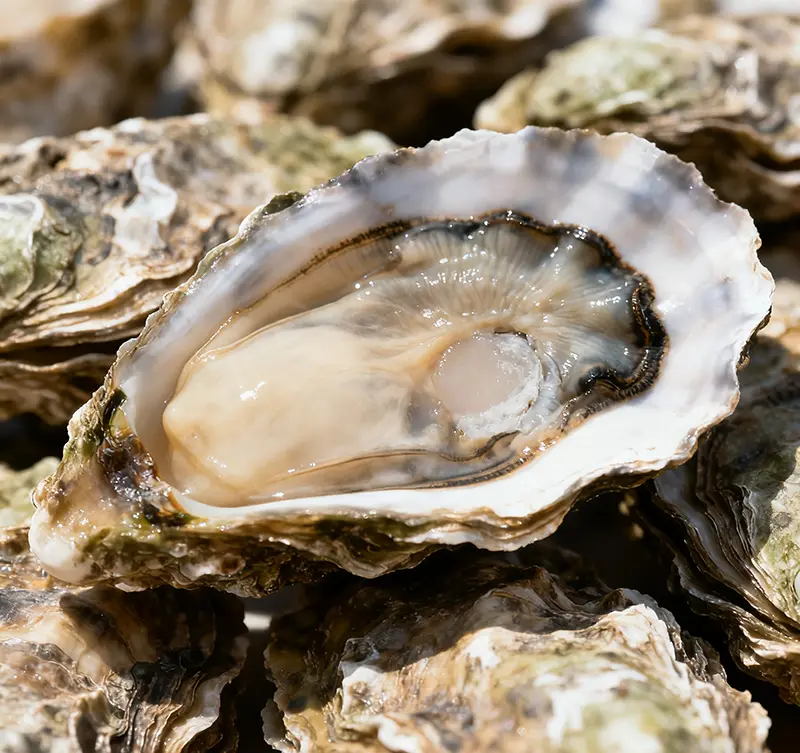 Oysters: Living Filters of the Ocean
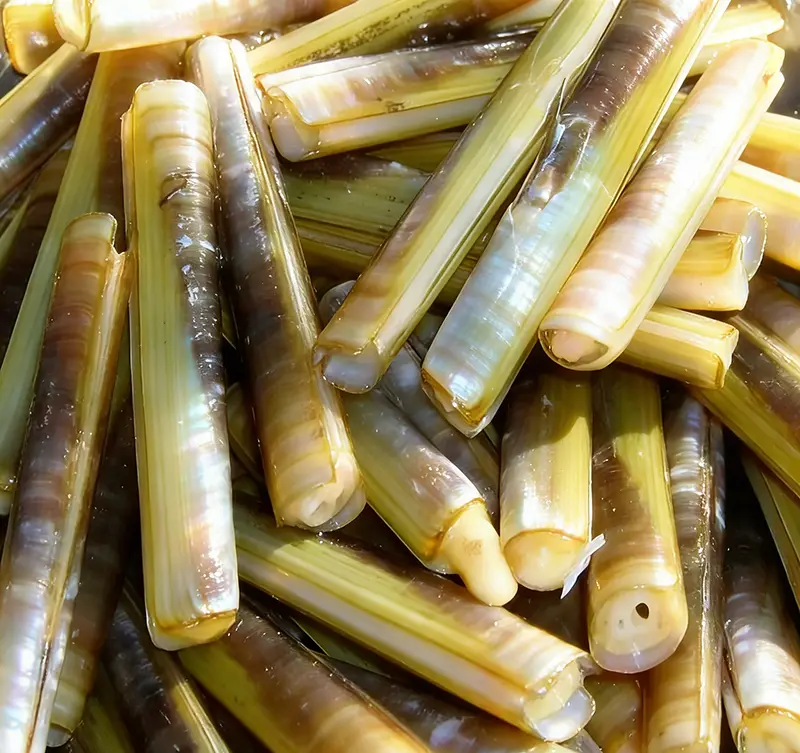 On the Bamboo Clam: Morphology, Burrowing Habits, Edible Value, Species Diversity, and Seasonal Occu
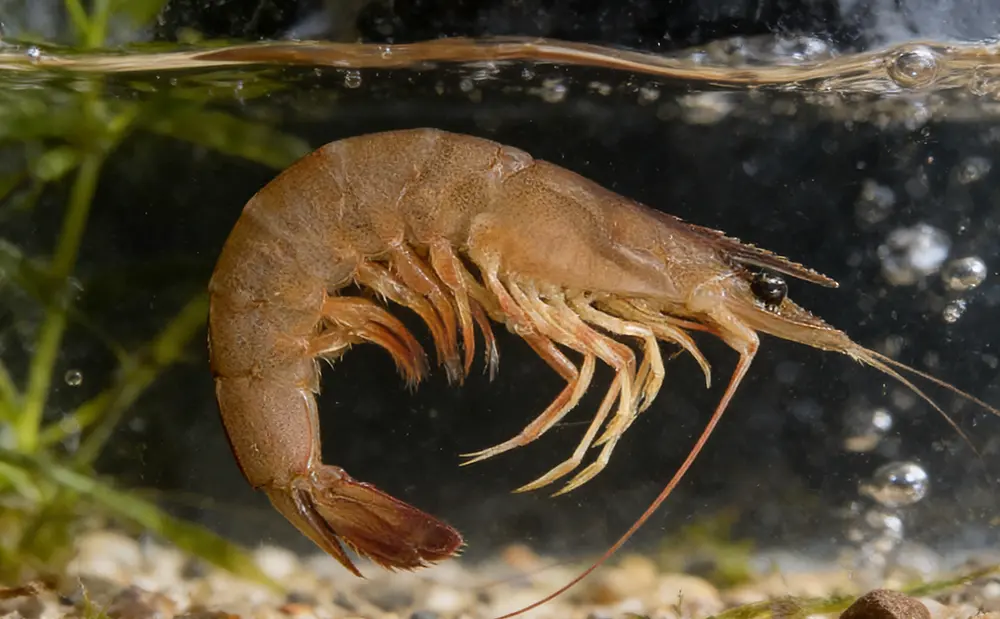 Comprehensive Study of the Giant Tiger Prawn (Penaeus monodon) in Indonesian Waters
Comprehensive Study of the Giant Tiger Prawn (Penaeus monodon) in Indonesian Waters
Oysters: Living Filters of the Ocean
Oysters: Living Filters of the Ocean
 A Comprehensive Analysis of the Indonesian White Prawn (Penaeus merguiensis)
A Comprehensive Analysis of the Indonesian White Prawn (Penaeus merguiensis)
4The Black Clam: An Ecological Guardian of Freshwater Environments
5Rapana venosa in a Changing Marine Environment
6Turbo cornutus: A Multifaceted Investigation
7The White Clam Breakdown – Morphology → Habits → Edibility → Varieties → Season
8From Beach to Bowl: Understanding the Sand Clam
9What’s Hard Clam? Shape, Flavor, Types, and the Right Time to Eat
10On the Bamboo Clam: Morphology, Burrowing Habits, Edible Value, Species Diversity, and Seasonal Occu