Abalone: The Living Gems of the Ocean
Abalone (Haliotis spp.), also known as “baoyu,” “xiyu,” or “jiukongluo” (variety abalone, nine-hole abalone), is referred to in English as ‘Abalone’ or “Sea Ear.” The Han Dynasty text *Shuowen Jiezi* defines it as “Baoyu, a type of xiyu.” Widely distributed in rocky reef areas of temperate to tropical seas worldwide (from the intertidal zone to depths of 50 meters), it is the marine mollusk with the highest economic value among the primitive gastropods, renowned for its unique shell shape, delicious meat, and slow growth rate.
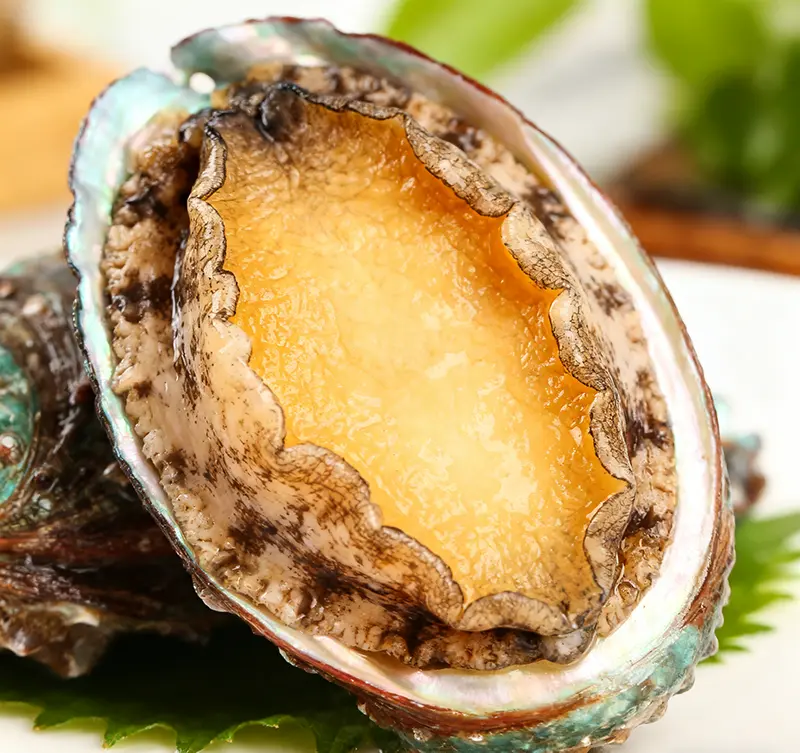
The abalone shell features a single-coiled, ear-shaped structure composed of three layers:
1) The outer layer is the periostracum, containing melanin to protect against ultraviolet radiation;
2) The middle layer is the prismatic layer, with calcium carbonate crystals arranged vertically;
3) The innermost layer is the nacreous layer, composed of stacked aragonite plates (0.5–1.0 μm thick), which produce an iridescent luster.
The shell features 5–9 respiratory pores arranged axially (species-specific); these pores gradually close as the abalone grows, with the most recent pore serving to expel metabolic waste and facilitate respiratory water flow.
The shell of an adult abalone is typically 8–25 cm long (with the largest recorded California red abalone reaching 30 cm), and the shell width is approximately two-thirds of the shell length. The shell surface bears distinct growth rings, each representing a growth cycle (usually one year), which can be used for age determination. The inner surface of the shell features a broad muscle attachment zone with a strong pearlescent luster, often displaying interference colors such as green, blue, and pink.
1) Foot Structure: The foot accounts for 40–50% of body weight and is composed of alternating striated and smooth muscle fibers (fiber diameter 5–10 μm). It secretes mucus containing polysaccharide-protein complexes (with an adhesion strength of up to 0.5 MPa). The foot sole contains epithelial sensory cells (200–300 per square millimeter), capable of sensing substrate texture and chemical signals.
2) Sensory Organs: The base of the tentacles bears eyespots (which lack imaging capability but are highly light-sensitive), and the osphadium can detect organic matter concentrations as low as one part per million in water.
3) Digestive System: The radula bears 80–100 rows of teeth (approximately 10 siliceous teeth per row), used for scraping algae; the intestine is 3–4 times the length of the shell, adapted for plant digestion.
Abalones strictly adhere to hard substrates and exhibit ecological differentiation based on depth:
1) Intertidal populations (e.g., Abalone): Tolerate daytime exposure (shell thickness up to 3 mm) and a temperature range of 5–35°C;
2) Shallow-water populations (e.g., Pacific abalone): Inhabitate reef areas at 5–20 meters (water temperature stable at 12–25°C);
3) Deep-water populations (e.g., North American white abalone): Found at depths of 30–50 meters (annual temperature variation <5°C). Movement is primarily driven by undulatory contractions of the foot (speed 2–5 cm/min); nocturnal foraging ranges up to 10–15 meters, with return to the original habitat before dawn (demonstrating precise homing ability).
Strictly algal diet (98% of stomach contents consist of large algae):
1) Preference for brown algae: Kelp (Laminaria) and Macrocystis account for 60% of the diet;
2) Selection of red algae: Calcifying algae such as Chondrus (providing a source of calcium carbonate);
3) Special adaptation: Secretes fucoidanase to break down algal cell walls. Feeding activity is synchronized with tides: feeding intake increases by 50% during spring tides (utilizing currents to access algae from greater distances). Annual algal biomass consumed reaches 10–15 times its own body weight.
Sexually dimorphic (with occasional hermaphroditism); reproduction requires water temperatures >16°C. Exogenous fertilization via sperm injection: males release sperm to induce females to spawn (1–2 million eggs per spawning event). Larvae undergo two stages:
1) Trochophore: Planktonic for 7–10 days, propelled by ciliary movement;
2) Veliger: Possesses temporary swimming discs and seeks a substrate to attach to. Growth is extremely slow: shell length reaches 1–2 cm in the first year, 5–7 cm in three years (sexual maturity), and takes 10 years to reach market size (12 cm or more). Lifespan can reach 30–50 years.
1) Muscle Composition: The foot contains 18–20% protein (30% collagen), 0.5–0.8% fat (60% phospholipids), and 3.0–3.5% glycogen.
2) Flavor Compounds: Free glutamic acid (umami) 120–150 mg/100 g, glycine (sweetness) 200–250 mg/100 g, succinic acid (richness) 80–100 mg/100 g; additionally, it contains unique bromophenolic compounds (source of the oceanic flavor).
3) Texture Characteristics: Raw meat hardness is 200–300 g/cm² (twice that of scallops). Upon heating, collagen converts to gelatin (beginning to soften at 60°C), and even after prolonged stewing, chewiness remains at 1,500–2,000 g·s.
1) Traditional drying: After salting, the scallops are repeatedly sun-dried (until moisture content drops to 15–18%), producing Maillard reaction flavor compounds (pyrazines and furans);
2) Modern Preservation: Live-animal low-temperature dormancy (stored in moist sand at 2–4°C for 7–10 days), ultra-high-pressure processing (500 MPa for 2 min) to sterilize without altering texture;
3) Classic Cooking Methods: - Chinese Braised: Slow-simmered for 6–8 hours in a broth made from old chicken and ham (complete collagen hydrolysis);
- Japanese sashimi: Thinly sliced (0.2–0.3 mm thick) after nerve severing (ikejime);
- Western-style pan-searing: Slow-seared in butter at low temperature (maintaining a core temperature of 55–58°C);
- Hong Kong-style congee: Simmered for 3 hours in a rice congee base (to fully release amino acids).
1) Wrinkled Abalone (Haliotis discus hannai): Shell length 15–20 cm, with a deep greenish-brown shell surface. Primarily produced in northern China and South Korea, featuring a chewy and elastic texture. Farming cycle: 2–3 years.
2) California Red Abalone (H. rufescens): Shell length up to 30 cm, brick-red shell. A specialty of the North American west coast, ideal for thick-cut grilling. Protected due to overfishing.
3) Black-lipped Abalone (H. rubra): Shell edges dark green, meat crisp and sweet. A famous product of southern Australia, the top choice for sashimi.
1) White Abalone (H. sorenseni): The shell is milky white, and growth is extremely slow (0.5 cm per year). Listed as endangered under the U.S. Endangered Species Act (ESA); harvesting is prohibited.
2) Yellow Abalone (H. corrugata): The shell surface has distinct ribbing, and the meat is orange-yellow. Endemic to Mexico and regulated under CITES Appendix II.
3) Giant Abalone (H. gigantea): Shell length can reach 25 cm, with a nacre that exhibits a rainbow sheen. Supplied to the Japanese Imperial Family, auction prices exceed $1,000 per specimen.
1) Size limits: Countries set minimum harvestable shell lengths (9 cm in China, 13 cm in Australia);
2) Quota system: California’s annual season lasts only 4 months, with a limit of 18 abalone per permit;
3) Gear restrictions: Scuba diving is prohibited (only free diving allowed) to protect deep-water populations;
4) No-fishing Zones: Marine Protected Areas (MPAs) are established to protect spawning populations.
1) Nursery Techniques: Controlled lighting to induce synchronized spawning (80% success rate); microalgae feed cultivation (primarily Dunaliella salina);
2) Land-based Aquaculture: Recirculating Aquaculture Systems (RAS) with temperature control and automated feeding; market-ready size reached in 24–36 months;
3) Marine ranches: Bottom seeding (deploying artificial reefs to improve habitat), with a recapture rate of 15–20%;
4) Genetic improvement: Breeding fast-growing strains (40% faster than wild strains) and disease-resistant strains (resistant to withering syndrome).
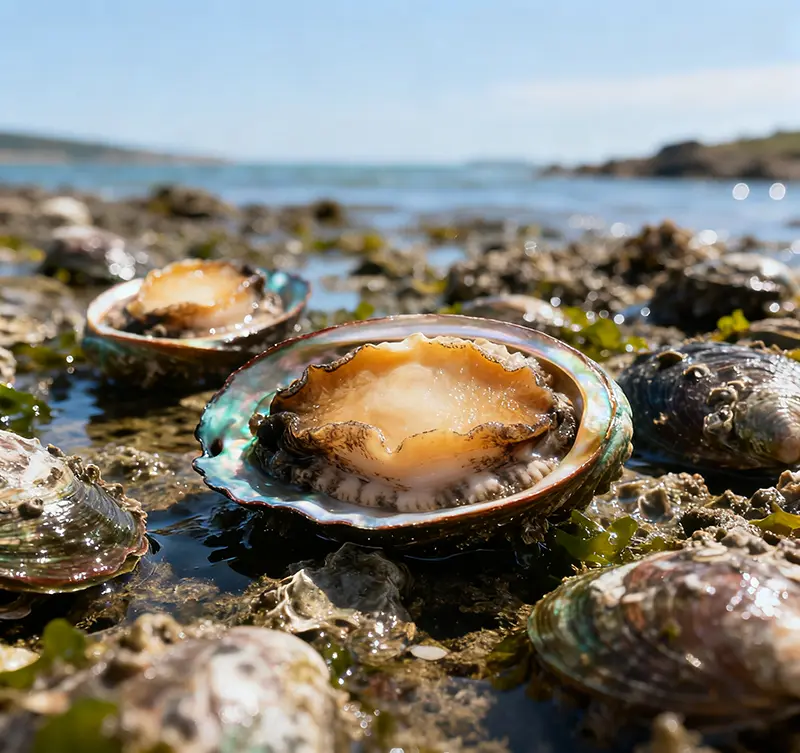
As a keystone species in reef ecosystems: controls excessive growth of macroalgae (preventing coral overgrowth); shells provide microhabitats for polychaetes and crustaceans; decomposition of the nacre replenishes the calcium carbonate cycle.
Global annual abalone production is approximately 200,000 tons (with China accounting for 80%), generating a total output value exceeding $6 billion. The unit price for the highest grade (3-head dried abalone) reaches $3,000/kg.
By-product Development:
- Shells: The nacre is used for jewelry inlay, and medicinal pigments are extracted from the chitin layer;
- Viscera: Enzymatic hydrolysis is used to extract antioxidant peptides (ABAP);
- Mucus: Used as a moisturizer in cosmetics (polysaccharide complexes).
1) Shell Differences: Turban shells are thick and heavy (30% less edible portion per unit weight);
2) Meat Comparison: Turban meat is harder and tougher (higher collagen cross-linking);
3) Flavor Intensity: Turban snails have a stronger fishy odor (higher bromophenol content).
1) Texture Characteristics: Geoduck is crisp and tender (loose muscle fiber arrangement);
2) Flavor Compounds: Geoduck has higher glycine content (prominent sweetness);
3) Price positioning: Top-grade geoduck prices are approximately 60% of those of abalone.
As a specialized species among marine gastropods, abalone holds a unique position in marine ecology and human culinary culture due to its distinctive ear-shaped spiral shell, powerful foot adhesion (up to 0.5 MPa), and slow growth rate (reaching market size in 10 years).
Its nutritional value is reflected in high protein content (18–20%), low fat content (0.5–0.8%), and abundant flavor compounds (synergistic effects of glutamic acid, glycine, and succinic acid), while its textural characteristics (30% collagen content) necessitate prolonged cooking methods. China dominates the global annual production of 200,000 metric tons, but wild stocks have generally declined due to overfishing (e.g., the California red abalone is endangered), driving rapid advancements in aquaculture technology (land-based RAS systems) and resource management (size limits and quota systems). Compared to other shellfish such as turban snails and geoducks, abalone possesses comprehensive advantages in terms of flavor complexity, cultural value, and economic value. The future of the industry will focus on sustainable aquaculture (breeding fast-growing, disease-resistant strains), high-value utilization of by-products (extracting bioactive compounds from shells and viscera), and ecological enhancement (establishment of marine ranches) to balance market demand with resource conservation.
Morphological data: Journal of Molluscan Studies, Vol. 89 (2023);
Nutritional Analysis: Food Chemistry, Vol. 408 (2023);
Aquaculture Techniques: Aquaculture, Vol. 580 (2024);
Resource Assessment: FAO 2023 Shellfish Fisheries Report;
Ecological Functions: Marine Ecology Progress Series, Vol. 718 (2023).
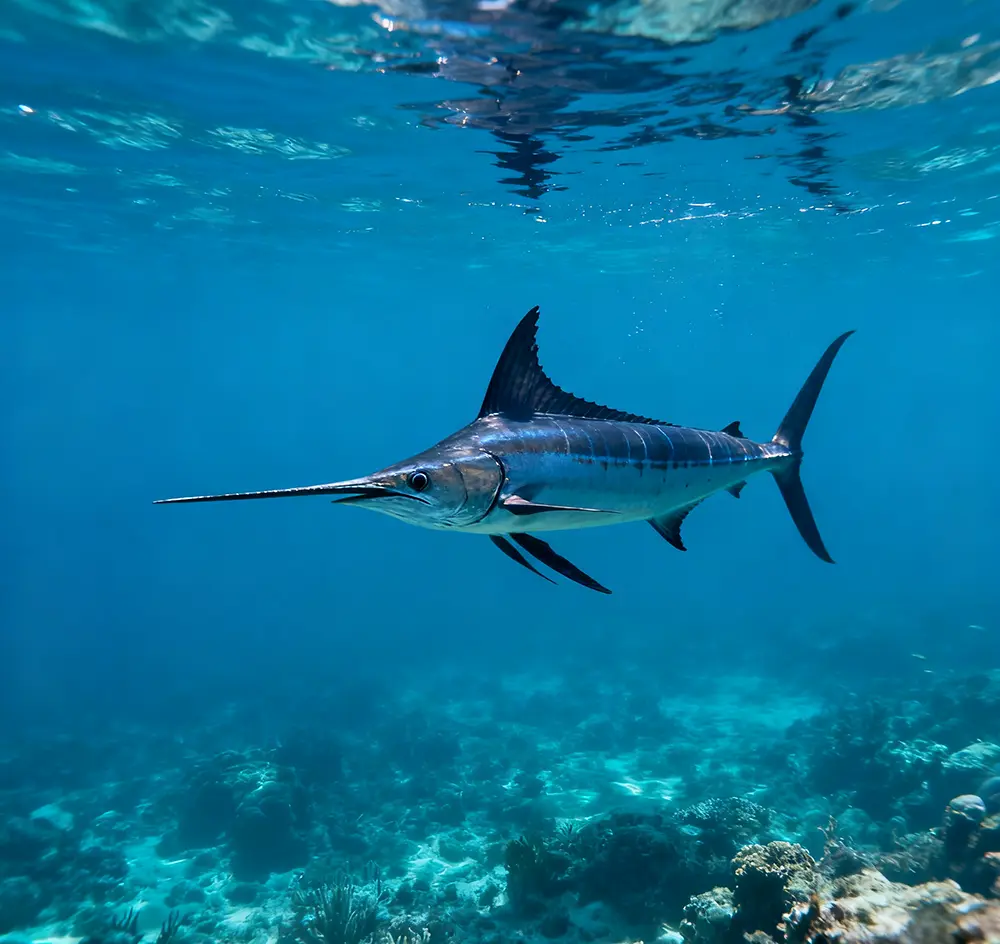 Swordfish: The Silver Blade of the Ocean
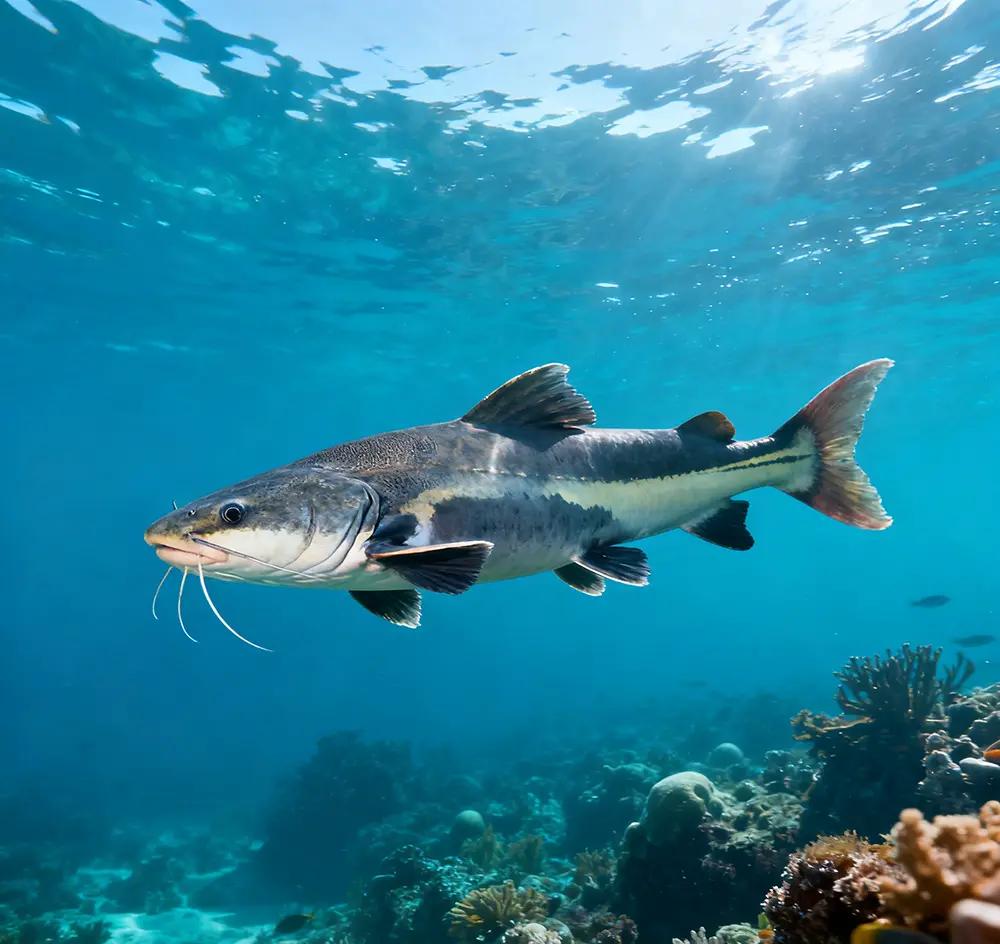 Hardhead Catfish Decoded: Morphology, Habits, Edible Value, Varieties, and Timing
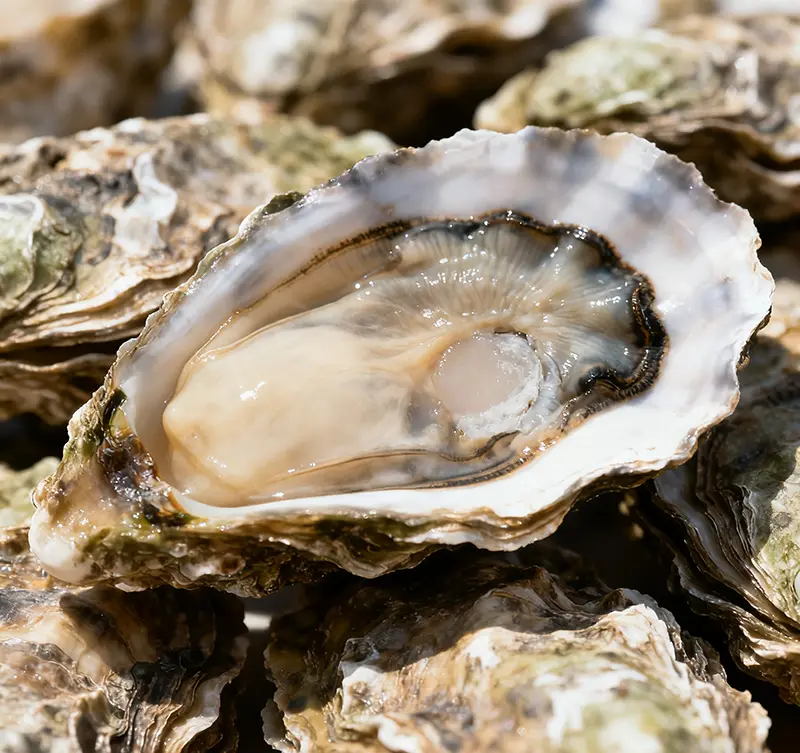 Oysters: Living Filters of the Ocean
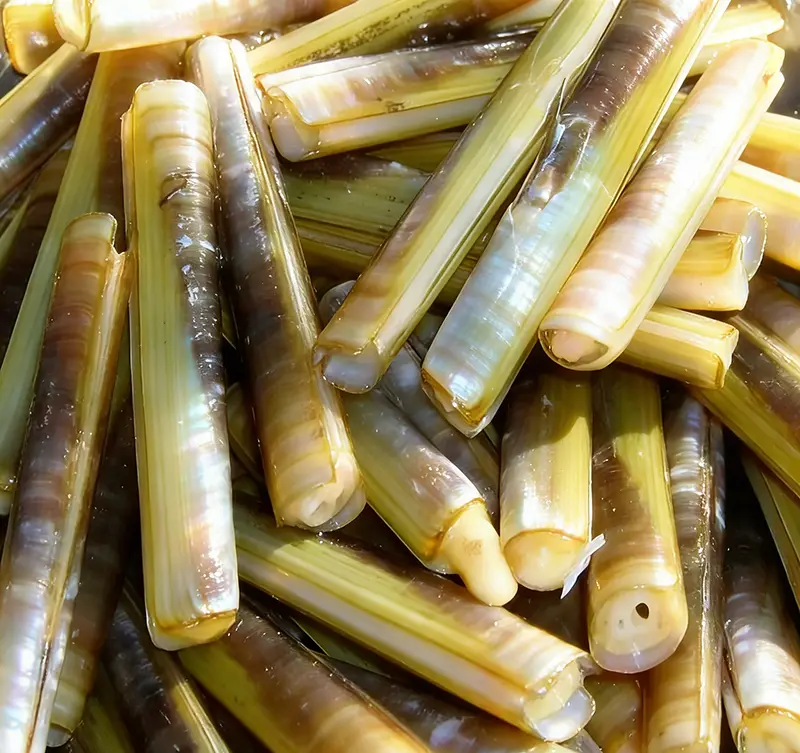 On the Bamboo Clam: Morphology, Burrowing Habits, Edible Value, Species Diversity, and Seasonal Occu
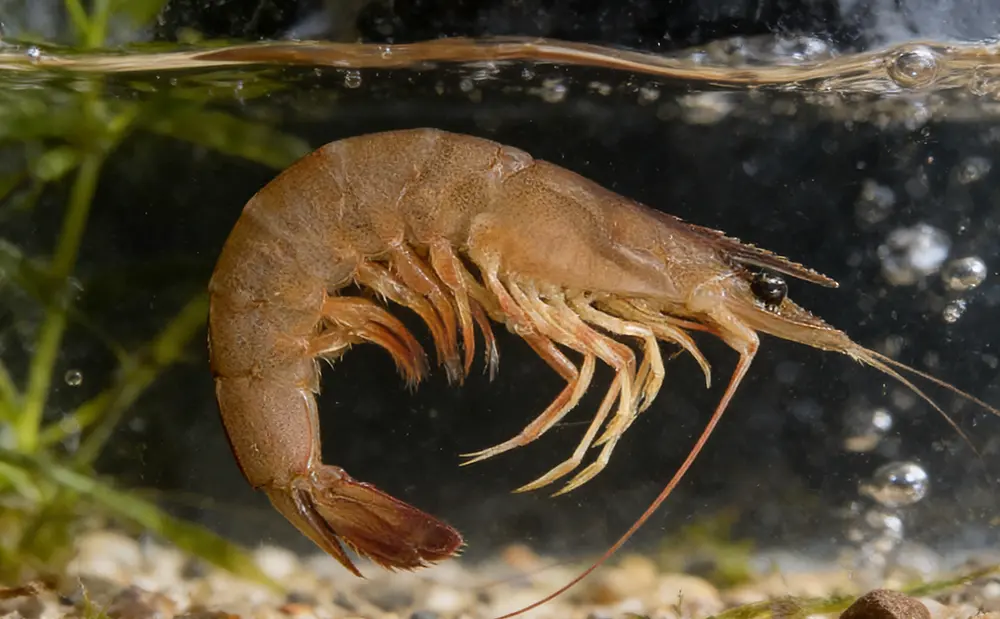 Comprehensive Study of the Giant Tiger Prawn (Penaeus monodon) in Indonesian Waters
Comprehensive Study of the Giant Tiger Prawn (Penaeus monodon) in Indonesian Waters
Oysters: Living Filters of the Ocean
Oysters: Living Filters of the Ocean
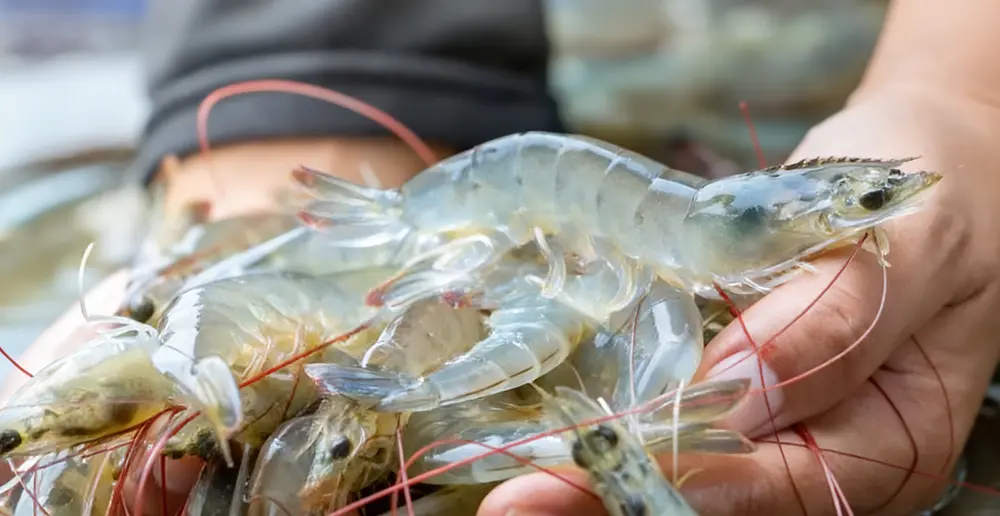 A Comprehensive Analysis of the Indonesian White Prawn (Penaeus merguiensis)
A Comprehensive Analysis of the Indonesian White Prawn (Penaeus merguiensis)
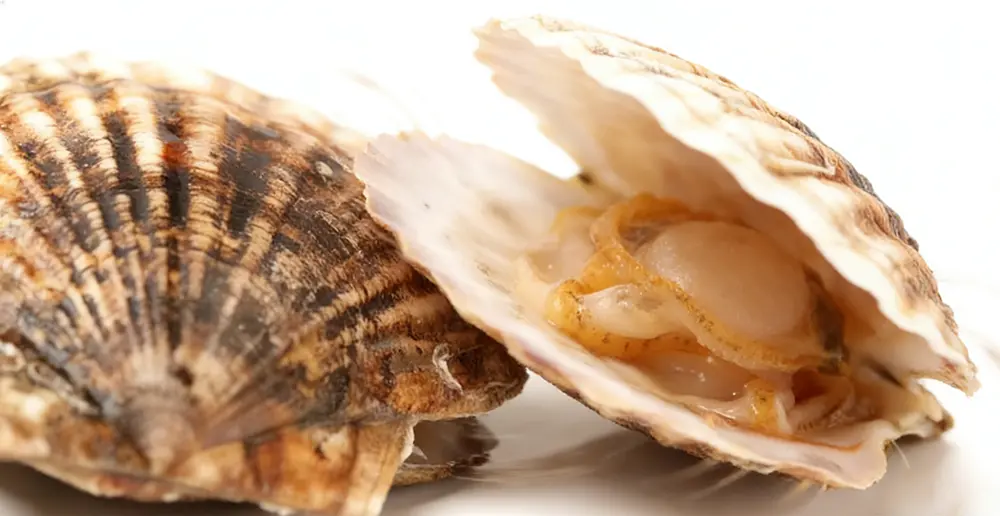
4The Black Clam: An Ecological Guardian of Freshwater Environments
5Rapana venosa in a Changing Marine Environment
6Turbo cornutus: A Multifaceted Investigation
7From Beach to Bowl: Understanding the Sand Clam
8On the Bamboo Clam: Morphology, Burrowing Habits, Edible Value, Species Diversity, and Seasonal Occu
9The White Clam Breakdown – Morphology → Habits → Edibility → Varieties → Season
10What’s Hard Clam? Shape, Flavor, Types, and the Right Time to Eat