Oysters: Living Filters of the Ocean
Oysters (scientific name: Ostrea edulis; also known as raw oysters, oysters, oyster meat, or sea oysters) are a collective term for mollusks belonging to the family Ostreidae within the order Ostreoida; They are marine mollusks belonging to the family Ostreidae within the class Bivalvia, widely distributed in temperate and tropical coastal waters worldwide. They inhabit areas ranging from the intertidal zone to depths of 20 meters, typically on rocky reefs or muddy-sandy substrates. There are approximately 100 species worldwide, with over 20 species found along China’s northern and southern coasts. Oysters are a primary aquaculture species among shellfish, ranking first in global shellfish aquaculture production.
Oysters have a highly irregular shape. The left valve (lower valve) is larger and concave, firmly attached to a hard substrate, while the right valve (upper valve) is smaller and relatively flat. The shell consists of three layers: the outer layer is the periostracum, which is grayish-brown or yellowish-brown; the middle layer is the prismatic layer, composed of calcite crystals; the inner layer is the nacreous layer, formed by the deposition of aragonite crystals. The shell surface exhibits distinct concentric growth rings, with 4–10 rings forming annually, which can be used for age determination. Shell shape is significantly influenced by the environment: in areas with strong wave action, the shell is thicker and rounder; in calm waters, the shell is thinner and more elongated. Compared to the closely related Pacific oyster (Crassostrea gigas), the European flat oyster (Ostrea edulis) has a rounder shell, a narrower hinge, and lacks distinct radial ribs.
The soft body consists of the mantle, gills, labia, adductor muscle, and visceral mass. The mantle margin has three layers of folds: the outer layer secretes the shell, the middle layer is photosensitive, and the inner layer regulates water flow. The gills are highly specialized: each side has two gill lobes, and the gill filaments are densely covered with cilia (up to 5,000 per mm²), forming an efficient filter-feeding system. There are three pairs of labia, used to filter food particles. The adductor muscle is monomariate, located in the center of the body, and composed of a mixture of striated and smooth muscle; it can contract continuously for hours without fatigue. The digestive system includes the mouth, esophagus, stomach, crystalline style, and intestine; the stomach contains a chitinous gastric shield used to grind food.
Oysters are hermaphroditic, but the sexes do not typically mature simultaneously. They undergo sex change 1–2 times per year: juveniles first develop into males, and after sperm production, they transition to females. The gonads are distributed around the visceral mass and, when mature, account for 60–80% of the soft body volume. The testes are milky white, while the ovaries are pale gray. Sex change is regulated by water temperature, nutritional status, and population density: high density promotes masculinization, while high nutrient levels promote feminization. Compared to the dioecious Pacific oyster (Crassostrea angulata), this sex-change strategy enhances reproductive efficiency in low-density populations.
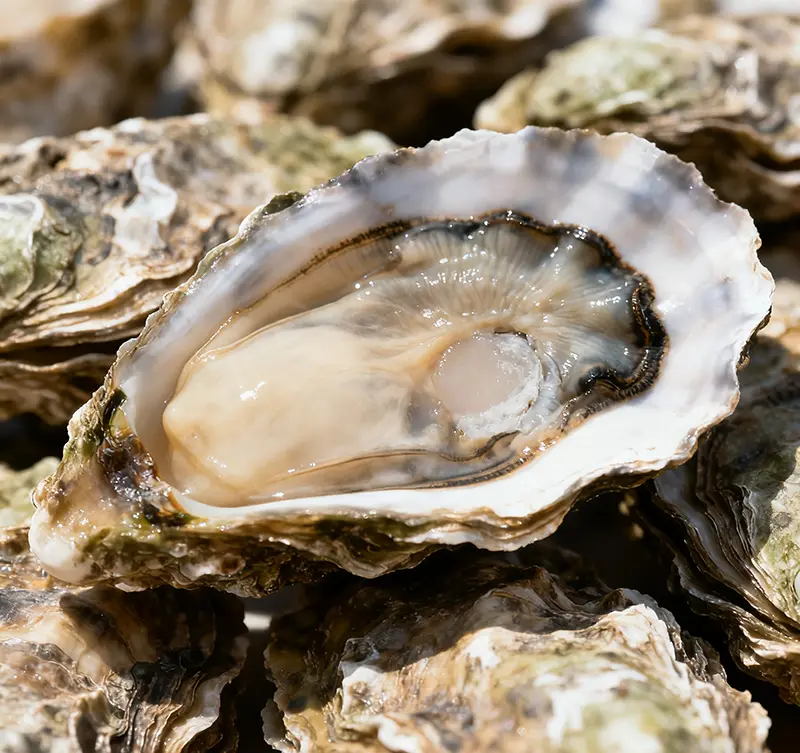
Oysters are typical filter-feeders that generate water flow (flow rate 2–5 L/h) through the movement of gill cilia to filter particles ranging from 2 to 40 micrometers in size. Their diet includes phytoplankton (diatoms, dinoflagellates), organic detritus, bacteria, and microzooplankton.
Feeding rates are controlled by water temperature: at 10°C, the filtration rate is 1.5 liters per hour, and at 20°C, it reaches 4 liters per hour.
Food undergoes a three-stage screening process at the labia: the first labium removes particles larger than 40 micrometers, the second labium selects particles between 20 and 40 micrometers, and the third labium ultimately determines the ingested material. Digestion relies on rotating crystalline rods in the stomach (rotating at 60 revolutions per minute) that release enzymes to break down food. In waters with high turbidity, oysters can optimize feeding efficiency by regulating mucus secretion.
Larvae attach to hard substrates by secreting mucin via their foot-thread glands, after which the left valve secretes cement to achieve permanent fixation. Although adults lead a sessile lifestyle, they retain limited mobility: they can move slowly (at a speed of about 1 cm/day) by slightly opening and closing the shell margins, and when encountering predators, they rapidly close their shells to generate thrust for short-distance movement. More notably, they adjust their shell shape: by altering the position of their center of gravity through asymmetric growth, they can reposition their bodies. Compared to freely moving scallops, this sessile lifestyle limits their foraging range but reduces energy expenditure.
Reproductive methods vary: most species are oviparous, with external fertilization; the European flat oyster is larviparous, with females retaining eggs in their gill chambers for fertilization and incubation. Water temperatures must exceed 16°C during the breeding season, and a single female can produce 10–15 million eggs per spawning event. Fertilized eggs pass through the trochophore and veliger stages, metamorphosing into eyed larvae after 14–20 days, at which point they use their feet to detect and select a substrate for attachment. After attachment, they grow to market size (shell length 5–6 cm) within 3–6 months. Larval survival rates are extremely low, with only 0.001–0.01% developing into adults.
Oyster meat is rich in high-quality protein (10–12%), with a balanced amino acid profile and an Essential Amino Acid Index (EAAI) of 0.95. They are low in fat (1–3%), with omega-3 fatty acids (EPA + DHA) accounting for 25–30% of total fatty acids. They are an excellent source of zinc (16–20 mg per 100 g, meeting 150–200% of the daily requirement for adults) and are also rich in copper, selenium, vitamin B12, and vitamin D. Unique nutritional components include: taurine (promotes liver function), glycogen (provides a sweet taste), and succinic acid (a flavor compound). Epidemiological studies indicate that regular consumption of oysters (2–3 times per week) helps improve immune function, promote wound healing, and maintain reproductive health.
Major safety risks include:
1) Norovirus (via sewage contamination)
2) Vibrio parahaemolyticus (proliferates when water temperature >15°C)
3) Biotoxins (accumulation of red tide toxins)
4) Heavy metals (lead and cadmium accumulate in internal organs).
Control Measures: Water quality in aquaculture areas must meet Class A standards (E. coli <300 MPN/100 ml), and purification treatment is required prior to market release (temporary holding in purification tanks for 24–48 hours).
Requirements for Raw Products: Total plate count <50,000 CFU/g, E. coli negative/25 g, Diarrheagenic Shellfish Toxin (DSP) <0.16 mg/kg. EU regulations require that retail oysters be labeled with the harvesting area and consumption recommendations (high-risk groups should avoid consuming them raw).
· Traditional processing methods include:
1) Sale as live oysters (storage temperature 5–10°C, humidity 85–90%)
2) Freezing (individual rapid freezing to –40°C, storage at –18°C)
3) Curing (soaking in brine or wine)
4) Drying (sun-drying or oven-drying)
5) Canning (high-pressure sterilization).
· Modern Preservation Technologies:
1) Modified Atmosphere Packaging (CO₂:N₂ = 50:50) extends shelf life to 7 days
2) High-pressure treatment (300 MPa/2 min) to inactivate pathogens
3) Irradiation (1–2 kGy) to control microorganisms
4) Edible coatings (chitosan-based) to reduce water loss.
· Utilization of by-products:
Shells are processed into soil conditioners or calcium supplements for animals, while extracts from internal organs are used as raw materials for cosmetics.
Major oyster varieties farmed globally:
· Pacific Oyster (Crassostrea gigas): Long, wrinkled shell; fast-growing (market-ready in 12–18 months); accounts for 80% of global production
· European Flat Oyster (Ostrea edulis): Round and flat, with delicate flesh; cultivation cycle of 3–4 years; known as the “Queen of Oysters”
· American Oyster (Crassostrea virginica): Teardrop-shaped, cold-tolerant; primarily cultivated in North America
· Sydney Rock Oyster (Saccostrea glomerata): Small with a black shell; crisp flesh; endemic to Australia
· Kumamoto Oyster (Crassostrea sikamea): Deep, cup-shaped shell; sweet and delicate flavor; native to Japan
Well-known varieties protected by geographical indications:
· French Belon Oyster (O. edulis): Produced at the Belon estuary; features a unique hazelnut aroma
· American Blue Point Oyster (C. virginica): Produced in Long Island Sound, with a clean, salty flavor and a sweet aftertaste
· Irish Galway Oyster (C. gigas): Nourished by the cold Atlantic currents, with plump flesh
· Chinese Rushan Oyster (C. gigas): Cultivated in the cold water masses of the Yellow Sea, with exceptionally high zinc content
· Korean Tongyeong Oyster (C. gigas): Raised using longline culture, with a firm, springy texture
Certain wild populations are protected:
· Olympia Oyster (Ostrea lurida): Native to the Pacific Northwest, listed as Near Threatened (NT) by the IUCN due to overharvesting
· European Maltese Oyster (Ostrea stentina): A Mediterranean endemic species; population decline due to habitat destruction
· New Zealand Black-footed Oyster (Ostrea chilensis): Slow-growing (matures in 5–6 years); commercial harvesting subject to quota restrictions
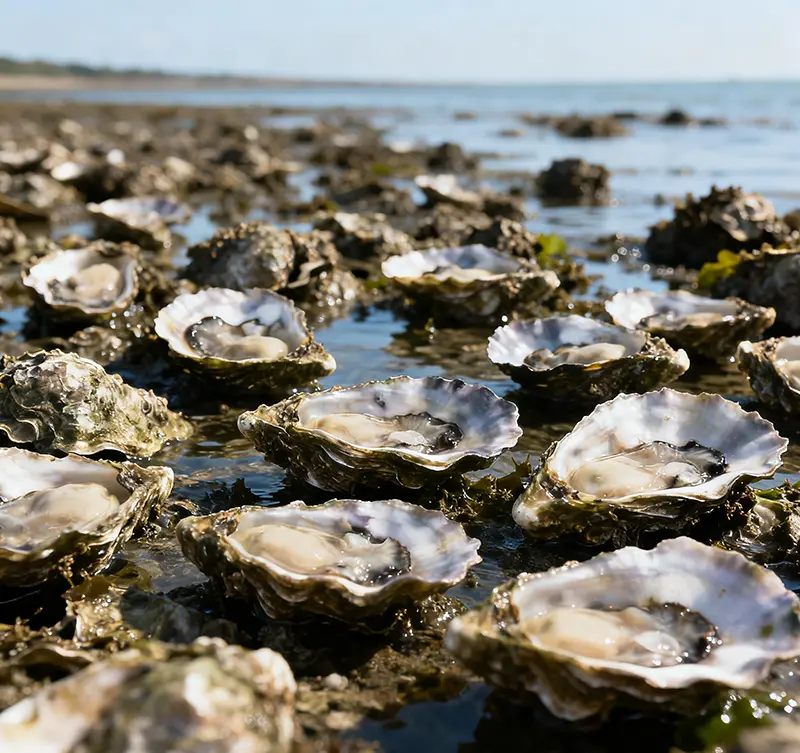
Traditionally, months containing the letter “R” (September through April of the following year) are considered the best for consumption. This stems from:
1) Increased glycogen accumulation when water temperatures are below 15°C (enhancing sweetness)
2) Flesh regains firmness after the reproductive season ends
3) Low temperatures inhibit the proliferation of pathogens. Modern aquaculture uses temperature control technology to ensure year-round supply, but quality still fluctuates under natural conditions: in spring (March–May), the meat is lean; in summer (June–August), flavor declines after spawning; in autumn (September–November), fattening begins; and in winter (December–February), flavor peaks. There are subtle differences among varieties: Pacific oysters are at their fattest in autumn, while European flat oysters are best in winter.
Primary farming methods:
· Bottom seeding: Directly sown in the intertidal zone; slow growth but rich flavor
· Raft farming: Suspended beneath floating rafts; fast growth and high yield
· Stake farming: Fixed to vertical wooden stakes; uniform oyster shape
· Net-pen farming: Placed in submerged net pens to protect against predators
· Recirculating aquaculture systems (RAS): Land-based controlled environments enabling year-round production. Innovative technologies include: remote monitoring systems (real-time growth tracking), automated cleaning robots (maintaining shell surface cleanliness), and algal bioreactors (producing specialized feed). The farming cycle typically lasts 1–3 years, with yields influenced by water temperature, feed density, and management practices.
Oyster reefs provide multiple ecological functions:
· Water purification: A single oyster filters 50–100 liters of water daily, removing suspended solids and nutrients
· Biological habitat: The reef structure provides a habitat and breeding ground for hundreds of species
· Coastal Protection: Dissipates wave energy, reducing shoreline erosion
· Carbon Sequestration: Shell deposits form carbonate reservoirs; each ton of oyster shells sequesters 120 kg of CO₂. Studies show that restoring 1 hectare of oyster reef can remove 5 tons of nitrogen and 0.5 tons of phosphorus annually, with an estimated ecosystem service value of $10,000–$15,000 per year.
As sentinel species, they reflect environmental conditions:
1. Shell growth rates record water temperature changes (growth ring analysis)
2. Heavy metal concentrations in tissues reflect pollution levels (biomonitoring)
3. Pathogen carriage indicates water quality and sanitation
4. Population health reflects ecosystem integrity. Oysters are used as indicator species in numerous environmental monitoring programs, such as the U.S. “Oyster Sentinel Program” and Europe’s “Oyster Observation Network.”
Oysters hold a special place in human culture: they were regarded as a luxury food in ancient Rome, became a fasting food in the Middle Ages, and appeared in still life paintings during the Renaissance. In literature, they are often used as a symbol of sensuality (e.g., Shakespeare’s “The world is my oyster”). Distinctive oyster festivals are held around the world: the Galway Oyster Festival in Ireland, the Arcadia Oyster Festival in the United States, and the Rushan Oyster Festival in China, among others. Oyster shucking has evolved into a professional competition; the world record for the World Oyster Shucking Championship is 100 oysters in 2 minutes and 1 second.
Major issues include:
· Overfishing leading to the decline of wild populations (85% of global natural oyster reefs have been lost)
· Disease threats (e.g., the herpesvirus OsHV-1 causing mass mortality)
· Impacts of climate change (ocean acidification hinders larval development)
· Habitat destruction (coastal development destroys nursery grounds) Conservation measures include: establishing marine protected areas, developing eco-friendly aquaculture, implementing reef restoration projects, and breeding disease-resistant strains.
As a keystone species in marine ecosystems and a vital aquatic resource for humanity, oysters exemplify the complex interplay between biological adaptation and human utilization. Their unique filter-feeding ability not only sustains individual survival but also purifies the aquatic environment—a single oyster filters an amount of water daily equivalent to the capacity of a bathtub. This ecosystem service is particularly valuable in coastal waters where eutrophication is becoming increasingly severe. From their unique adaptation to a sessile lifestyle to their reproductive strategy of sex change, each characteristic is the culmination of a long evolutionary process.
In terms of culinary value, oysters boast an astonishing nutritional density: their zinc content surpasses that of any common food, their vitamin B12 meets several days’ requirements, and they provide high-quality protein and rare omega-3 fatty acids. However, the risks associated with raw consumption cannot be ignored, particularly contamination by Vibrio parahaemolyticus and norovirus, making purification processes and source water quality control critical. The globalized aquaculture industry has brought the convenience of year-round supply, but it has also raised new challenges such as species dispersal (e.g., the introduction of Pacific oysters to Europe, which altered local ecosystems) and the spread of diseases.
Advances in aquaculture technology are driving industry transformation: from traditional intertidal bottom seeding to modern recirculating aquaculture systems, and from reliance on natural seed stock to the artificial breeding of disease-resistant varieties. Sustainable management requires balancing production with ecological conservation, and many regions are investing heavily in restoring the ecological functions of oyster reefs. Culturally, oysters have evolved from an ancient staple of the common people to a symbol of fine dining, with their tasting rituals and distinctive flavors becoming an integral part of culinary culture. This mollusk, which bridges nature and civilization, will continue to seek a balance between ecological conservation and gastronomic enjoyment.
Morphological data referenced from *Introduction to Malacology* (Gosling,
2015) and *Biology of the Oyster* (Galtsoff, 1964)
Physiological and ecological studies based on *Filtration Ecology of Marine Invertebrates* (Jørgensen, 1990)
Nutritional data sourced from the USDA Food Composition Database and reports by the European Food Safety Authority (EFSA)
Aquaculture technical parameters cited from the FAO Aquaculture Technical Paper Series
Ecological function studies cited from *Ecology of Oyster Reef Restoration* (Luckenbach, 1999)
Food safety standards based on EC No. 2073/2005 and FDA Shellfish Sanitation Regulations
Resource status data sourced from the IUCN Red List of Threatened Species
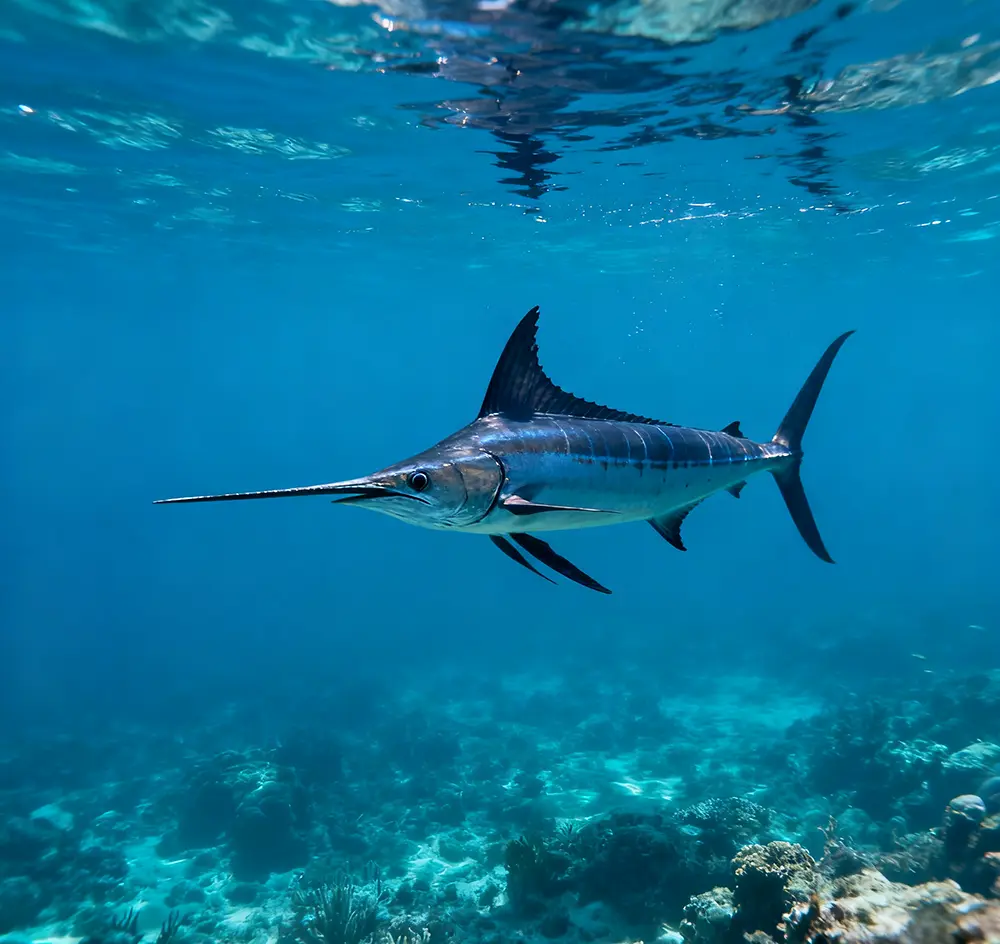 Swordfish: The Silver Blade of the Ocean
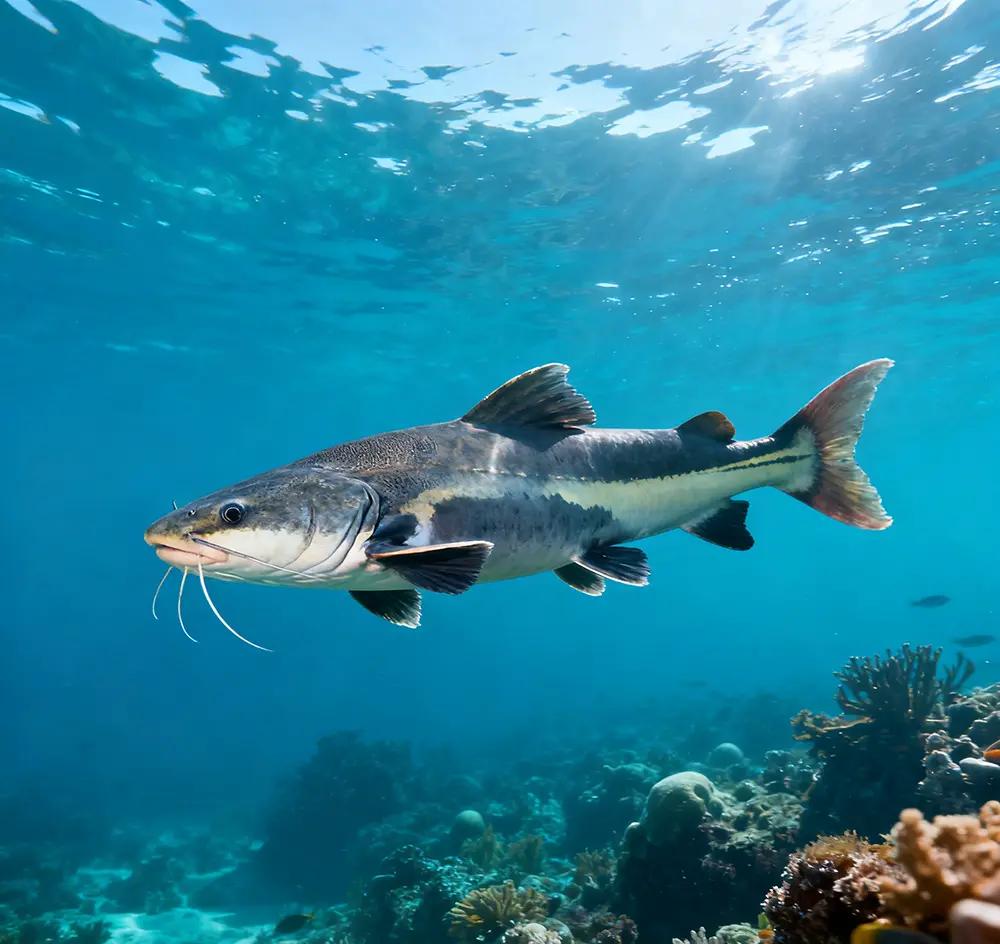 Hardhead Catfish Decoded: Morphology, Habits, Edible Value, Varieties, and Timing
Oysters: Living Filters of the Ocean
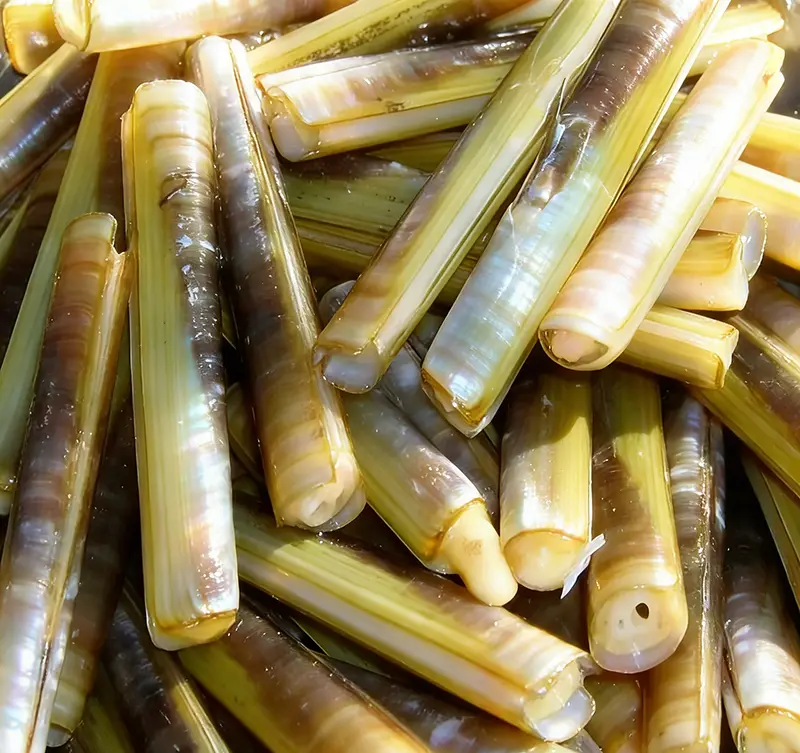 On the Bamboo Clam: Morphology, Burrowing Habits, Edible Value, Species Diversity, and Seasonal Occu
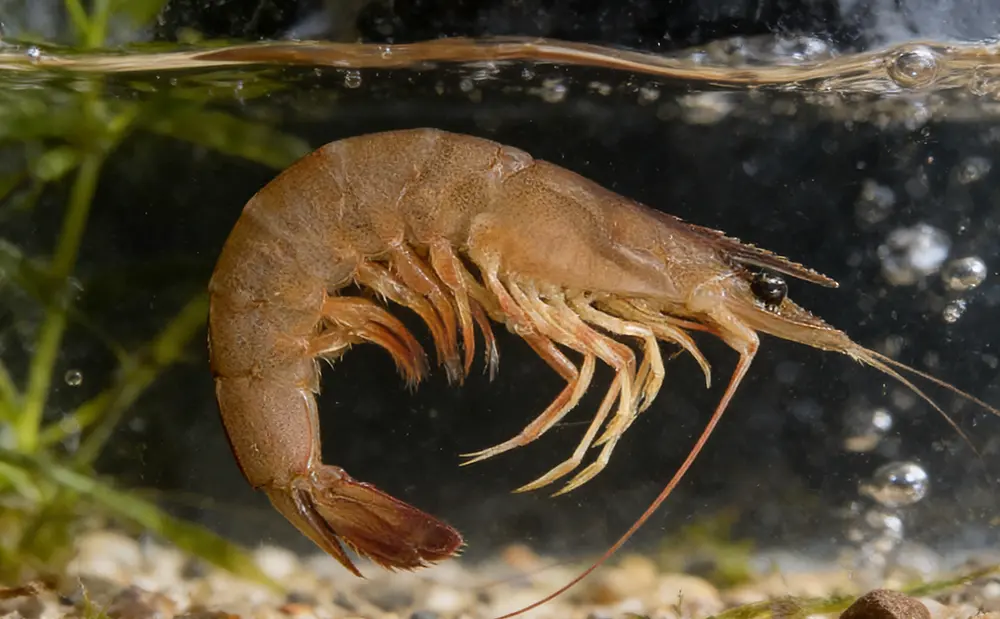 Comprehensive Study of the Giant Tiger Prawn (Penaeus monodon) in Indonesian Waters
Comprehensive Study of the Giant Tiger Prawn (Penaeus monodon) in Indonesian Waters
Oysters: Living Filters of the Ocean
Oysters: Living Filters of the Ocean
 A Comprehensive Analysis of the Indonesian White Prawn (Penaeus merguiensis)
A Comprehensive Analysis of the Indonesian White Prawn (Penaeus merguiensis)
4The Black Clam: An Ecological Guardian of Freshwater Environments
5Rapana venosa in a Changing Marine Environment
6Turbo cornutus: A Multifaceted Investigation
7From Beach to Bowl: Understanding the Sand Clam
8On the Bamboo Clam: Morphology, Burrowing Habits, Edible Value, Species Diversity, and Seasonal Occu
9The White Clam Breakdown – Morphology → Habits → Edibility → Varieties → Season
10What’s Hard Clam? Shape, Flavor, Types, and the Right Time to Eat