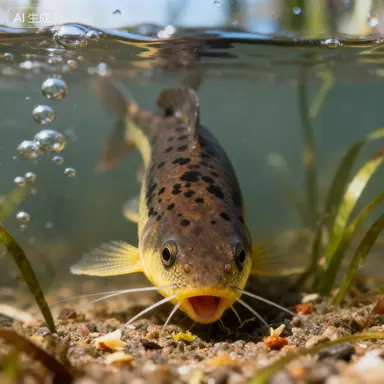
Loaches: Masters of Survival Hiding at the Bottom of the Water
Loaches (Loach), commonly known as mud loaches, steel loaches, or simply loaches, are a group of small, bottom-dwelling fish widely distributed in freshwater environments across the Eurasian continent. They have garnered significant attention for their unique morphology and tenacious vitality, and belong to the genus Loach within the family Cobitidae of the order Cypriniformes. Loaches are widely distributed along the Asian coast in countries such as China, Japan, North Korea, Russia, and India. They inhabit the bottom layers of still waters and are commonly found at the bottom of lakes, ponds, ditches, and paddy fields.
Loaches generally possess a slender, laterally compressed, or cylindrical spindle-shaped body. This streamlined design significantly reduces drag when moving through mud or between rocks. The head is small and pointed, with the mouth located below the tip of the snout or near the ventral surface. It is horseshoe-shaped and surrounded by 3–6 pairs of barbels (the number varies significantly among species); for example, the mud loach (Misgurnus anguillicaudatus) has 5 pairs, while the thin-snouted loaches (Leptobotia) typically have 3 pairs. These barbels are rich in taste buds and serve as key sensory organs for accurately locating food in turbid water environments.
The body surface is covered with extremely fine, round scales, or in some species (such as the family Leptobotidae), is even scaleless; however, all secrete large amounts of mucus, forming a slippery protective layer. This mucus serves three functions:
First, it acts as a physical barrier, reducing parasite attachment and mechanical friction damage;
Second, it serves as a chemical defense, with certain components inhibiting microbial growth;
Third, it aids in respiration, helping them survive in extreme environments.
Body coloration typically features a base tone of yellowish-brown, gray-green, or brownish-yellow, with a darker back and a lighter belly, often covered with irregular dark spots, cloud-like patterns, or longitudinal bands. For example, the Chinese loach (Cobitis sinensis) has 12–17 rectangular patches on its sides, perfectly mimicking the play of light and shadow on dead branches and fallen leaves on the riverbed.
The structure of their fins is highly specialized: the dorsal and anal fins are small and positioned toward the rear; the caudal fin is typically rounded or truncate; the pectoral and pelvic fins are broad and powerful, providing support for stabilizing the body in swift currents or digging into the substrate. In some stream-dwelling species (such as those in the genus Lepturichthys), the pectoral fins have even evolved into sucker-like structures, allowing them to firmly attach to rock surfaces and withstand the impact of water currents.
When dissolved oxygen levels in the water are insufficient, most loaches can swim to the surface to gulp air. The air enters the highly vascularized hindgut for gas exchange, and waste gases are expelled through the anus. This ability for “intestinal respiration” makes them successful survivors in oxygen-deprived environments rich in organic matter, such as rice paddies and marshes. Experiments have shown that loaches can survive for several days in moist soil relying solely on intestinal respiration.
The lateral line system is well-developed, forming a dense network of branches, particularly around the head. The lateral line ducts are filled with mucus, and hair cells detect changes in the frequency of water flow vibrations, helping the fish detect obstacles, the location of prey, and even the faintest disturbances caused by approaching predators in dark or turbid environments. Certain cave loaches (such as the Yunnan blind loach, Triplophysa spp.) have degenerated eyes but rely on their highly sensitive lateral line to navigate freely in complete darkness.
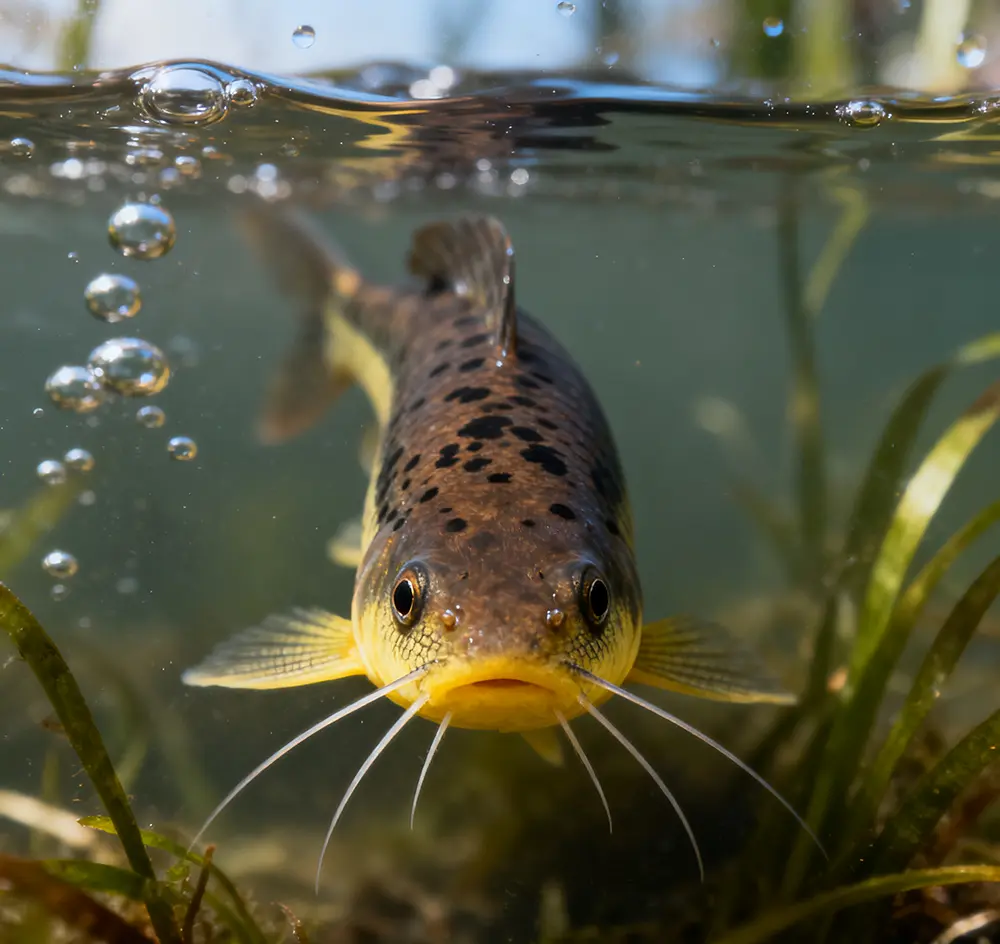
Loaches exhibit remarkable adaptability to their habitats.
· Stillwater species (such as loaches and the large-scaled loach, Paramisgurnus dabryanus) prefer lakes, ponds, rice paddies, and ditches—water bodies with slow currents and deep, muddy bottoms;
· Stream-dwelling species (such as Sinibotia superciliaris and Leptobotia elongata) inhabit gravel bars and sandy shoals in the middle and lower reaches of rivers and streams, relying on high dissolved oxygen levels and clean water quality.
In terms of vertical distribution, they range from low-altitude plains to glacial streams on the Qinghai-Tibet Plateau at elevations above 4,000 meters (e.g., the genus Triplophysa).
Most loaches are typically nocturnal, hiding in the bottom sediment, rock crevices, or aquatic vegetation during the day and becoming active to forage from dusk to dawn. This behavior effectively evades diurnal visual predators (such as kingfishers and otters). When atmospheric pressure drops sharply before a rainstorm, loaches dart up and down frequently—and even leap out of the water—due to the rapid decline in dissolved oxygen levels; this phenomenon is often used in folk weather forecasting.
Loaches are omnivorous, with a preference for meat, and are bottom-dwelling foragers. Their diet is extremely diverse: animal-based foods include chironomid larvae, aquatic earthworms, small crustaceans, snails, aquatic insects and their larvae, and even the eggs or weak individuals of other fish; plant-based foods include diatoms, filamentous algae, organic detritus, and plant seeds. When feeding, they rely on their sensitive barbels to “sweep and probe” the bottom sediment; once food is detected, they rapidly ingest it by suction.
Feeding habits change across different life stages: fry (body length <5 cm) primarily consume zooplankton and algae; subadults shift to benthic invertebrates; and adults prefer to feed on larger benthic organisms and organic detritus. In rice paddy ecosystems, loaches play the role of “natural weed and pest controllers” by feeding on insect larvae (such as the rice stem borer) and weed seeds.
The breeding season is concentrated from spring to early summer (April–July) and is triggered when water temperatures rise above 18°C. Males typically exhibit secondary sexual characteristics, such as thickened pectoral fins, the appearance of “star-like” keratinous protrusions, or more vibrant body coloration. Spawning behavior is distinctly gregarious, often occurring in shallow aquatic vegetation, flooded rice fields, or slow-moving riffles in streams following rainfall-induced water level rises. The number of eggs carried by females varies significantly depending on body size; loaches carry several thousand to over ten thousand eggs, while large mud loaches can carry tens of thousands. The eggs are adhesive and attach to aquatic plants or rocks to hatch.
Fertilized eggs hatch in approximately 2–3 days at water temperatures of 20–25°C. Newly hatched fry rely on their yolk sac for nutrition and begin feeding on microscopic plankton after three days. Loaches grow at a moderate rate, generally reaching sexual maturity in 1–2 years, with a natural lifespan of approximately 3–7 years. During the cold winter months, they burrow into deep water or thick layers of mud (up to 20–30 cm deep) to enter a semi-dormant state, significantly reducing their metabolic rate to survive the harsh cold.
Loach meat is tender and firm, rich in high-quality protein (approximately 18–22%) and moderate in fat (2–5%), with a predominance of unsaturated fatty acids. Notably, it is particularly high in components beneficial to cardiovascular and brain health, such as linoleic acid (C18:2), DHA, and EPA. It is rich in minerals, with calcium content exceeding 300 mg per 100 grams of meat, and trace elements such as iron, zinc, and selenium are significantly higher than in ordinary farmed fish. Its vitamin profile is characterized by B vitamins (B1, B2, B12) as well as vitamins D and E. Traditional medicine considers it to have a neutral nature and sweet taste, with benefits including tonifying the middle burner and boosting qi, dispelling dampness and unblocking meridians, and aiding in alcohol detoxification and liver protection. It is commonly used in dietary therapy for post-illness weakness, edema, and jaundice.
Before consumption, loach must undergo a mud-expelling process (temporary holding in clean water for 1–2 days) to remove the earthy odor. Classic cooking methods include:
· Braised in sauce/red braised: Common in the Yangtze River basin of China and Japan, this method involves simmering the fish for an extended period with strong-flavored sauces (such as doubanjiang or miso) and ginger and garlic, allowing the meat to fully absorb the flavors until the bones are tender and the flesh falls off the bone, as seen in the Sichuan dish “Pickled Chili Loach”;
· Dry-fried/Deep-fried: Small loaches are marinated and deep-fried until the bones are crispy, then sprinkled with salt and pepper or chili powder, making them an excellent accompaniment to alcohol; this style is popular in the Jiangnan region and Southeast Asia;
· Simmered in soup: Simmered with tofu, soybeans, and papaya, resulting in a rich, milky-white broth. Both the Cantonese “Loach and Tofu Soup” and the Korean “Loach Soup (미꾸라지탕)” use this method to highlight their warming and nourishing properties;
· Processed Products: Japanese “Yanagawa-nabe” (loach simmered with burdock and eggs), Hunan-style smoked dried loach, and Taiwanese “Sanbei Loach” are all regional specialties.
Not all loaches are legally permitted for consumption! Due to habitat destruction and overfishing, several rare loach species have been listed as protected, and their capture and consumption are strictly prohibited. Special attention is required:
Species Name Protection Level (China) Main Distribution Morphological Identification Characteristics
Slender Loach (Leptobotia elongata) National Class II Middle and Upper Yangtze River Extremely slender body, pointed head, 6–9 dark brown transverse bands on the sides
Zebra Loach (Leptobotia zebra) Vulnerable (IUCN) Nanpan River and Yuan River, Yunnan Distinctive black-and-white vertical stripes on the sides
Xiangxi Blind Loach (Oreonectes xiangxiensis) Critically Endangered (IUCN) Caves in Western Hunan Eyeless, translucent body, found only in specific caves
Sichuan Suckermouth Loach (Sinogastromyzon szechuanensis) Vulnerable (IUCN) Streams in the Sichuan Basin Pectoral fins fused into a sucker; body surface bears worm-like patterns
Food Safety Advisory: Wild loaches may accumulate heavy metals (such as mercury and cadmium) or parasites (such as Acanthocephala nematodes); ensure they are thoroughly cooked. Individuals with allergies should consume only small amounts when trying them for the first time.
· Oriental Weatherfish (Misgurnus anguillicaudatus): The most widely distributed species, found from Siberia to Southeast Asia. It has a cylindrical body, well-developed skin folds on the caudal peduncle, and a rounded caudal fin. Irregular small spots are scattered along the body sides, and there is a prominent black spot at the base of the tail. It is highly tolerant of low oxygen levels and pollution, making it a primary species for aquaculture.
· Large-scaled Loach (Paramisgurnus dabryanus): This species is sturdier in build than the Oriental Weatherfish, with slightly larger scales, a deeply forked caudal fin, and no black spot at the base of the tail. Primarily found in eastern China and the Korean Peninsula, it has thicker flesh and high economic value.
· Chinese Border Loach (Sinibotia superciliaris): A representative species of flowing waters. It has a pointed head, a distinct bony spine below the eye, a yellowish-brown body with 4–5 broad dark brown transverse bands, and a forked caudal fin with markings. Endemic to the Yangtze and Pearl River basins, it is also kept as an ornamental fish due to its vibrant coloration; wild populations are threatened.
· Reticulate Loach (Schistura fasciolata): A small stream loach. Its body sides bear more than 10 dark transverse stripes, and its dorsal fin features a black oblique band. It prefers to inhabit clear mountain springs and is extremely sensitive to water quality, making it an environmental indicator species.
· Genus Triplophysa (Triplophysa spp.): A group adapted to the extreme environments of the Qinghai-Tibet Plateau. It comprises numerous species (over 150 in China), most of which have small or degenerated eyes, are scaleless, and possess specialized fin rays. For example, Stoliczk’s Plateau Loach (T. stoliczkai) inhabits salt lakes at elevations of 5,000 meters and is tolerant of cold and alkaline conditions; the Blind Plateau Loach (T. gejiuensis), on the other hand, is completely eyeless and inhabits underground rivers in Yunnan.
· Hillstream Loaches (Hillstream Loaches): Includes climbing loaches, sucker loaches, and others. Their bodies are extremely flattened, with pectoral and pelvic fins enlarged into sucker-like structures, adapted to swift mountain streams. For example, the Tasseled Loach (Crossostoma davidi) has tassel-like barbels on its mouth, while the Pseudogastromyzon cheni possesses well-developed abdominal suckers, often attaching to rocks to scrape algae.
· European Weatherfish (Misgurnus fossilis): Found from Western Europe to Central Asia. Its morphology resembles that of the Oriental weatherfish, but its caudal fin is slightly concave, and it has 10 soft rays in the dorsal fin (compared to 9 in the Oriental species). It is named “Weatherfish” because it becomes restless in response to changes in atmospheric pressure.
· Kuhli Loach (Pangio kuhlii): A tropical ornamental loach from Southeast Asia. Its body is slender and eel-like, featuring 10–15 dark brown rings. It has a gentle temperament and often swims in schools near the bottom of aquariums.
· Clown Loach (Chromobotia macracanthus): A large ornamental loach from Sumatra. Juveniles are orange-red with three broad black bands; adults develop dark red bands with a net-like pattern. They have well-developed bony spines below the eyes and require a large aquarium for keeping.
The fat content of loaches is closely linked to their reproductive cycle.
· Spring (March–May) is the prime period before spawning for most species. At this time, their fat reserves are abundant after overwintering, and their flesh is at its most succulent.
· Autumn (September–November) is the fattening phase in preparation for overwintering, during which nutrient accumulation is also abundant. In summer, due to the breeding season or high temperatures, the fish expend significant energy, resulting in slightly inferior meat quality; in winter, reduced activity leads to firmer meat but lower fat content.
Fishing seasons must balance resource conservation: in warm southern regions, moderate harvesting is permitted in spring and autumn; in northern regions, it is concentrated in summer and autumn. Farmed loaches, due to controlled temperature and feeding, provide a stable year-round supply.
Overfishing, the blocking of migration routes by water conservancy projects, agricultural pollution, and habitat loss have led to the decline of numerous loach populations worldwide. For example, the populations of the Yangtze River’s long-snouted loach and the Xiang River’s Xiang River sand loach are on the verge of collapse. Measures for sustainable utilization include:
· Artificial Propagation: Establish conservation bases for rare species such as the Yangtze thin-snouted loach and rare loaches and crucian carp, and carry out artificial breeding and release;
· Ecological aquaculture: Promoting rice-loach co-cultivation and pond-based eco-friendly aquaculture models to reduce reliance on feed and drugs while protecting soil and water;
· Habitat restoration: Installing artificial fish nests in streams, restoring gravel spawning grounds, and removing small illegal dams;
· Market regulation: Strictly enforcing sales bans on protected species and promoting traceable certification systems for farmed products.
Although both are benthic and slender in form, the differences between them are significant:
· Classification: Loaches belong to the Cypriniformes order, family Cobitidae/Gobionidae; Asian swamp eels belong to the Synbranchiformes order, family Synbranchidae, and are distantly related;
· Morphology: Loaches possess barbels, scales (or vestigial scales), and distinct dorsal and anal fins; Asian swamp eels lack scales, fins, and barbels, with a smooth, snake-like body surface;
· Respiration: Loaches can breathe through their intestines; Asian swamp eels breathe air directly via microvessels in the oral and pharyngeal cavities;
· Reproduction: Loaches are typically dioecious; eels exhibit sexual reversal (female as juveniles, turning male after spawning);
· Habitat: Loaches prefer open water with a substrate; eels are adept at burrowing into muddy banks to live in burrows.
Although both have barbels, catfish (such as the pond catfish and the bigmouth catfish) have distinctly different characteristics:
· Body shape: Catfish are typically larger (reaching several meters in length) with broad, flattened heads; loaches are mostly small fish;
· Fins: Catfish have reduced dorsal fins or only adipose fins, and their caudal fins are often forked; loaches have well-developed dorsal fins;
· Spines: Most catfish have venomous spines on their pectoral and dorsal fins (causing severe pain upon contact); loaches have only blunt spines under the eyes in the sand loach group;
· Behavior: Catfish are mostly ambush predators; loaches are omnivorous scavengers.
Two easily confused groups among small benthic fish:
· Pelvic fins: Gobies often have fused pelvic fins forming suction cups; loaches have separate pelvic fins (except in the family Loachidae);
· Scales: Goby bodies are covered with ctenoid or cycloid scales; loaches have fine, fragile scales or are scaleless;
· Swimming behavior: Gobies typically dart over short distances; loaches can crawl along the bottom for extended periods or burrow into the mud.
As a highly specialized group of benthic fish in freshwater ecosystems, loaches have successfully colonized diverse habitats ranging from stagnant swamps to swift mountain streams, thanks to their streamlined bodies, well-developed barbels, mucus-coated skin, and unique ability to breathe through their intestines.
The remarkable adaptability of the more than 1,200 species of loaches worldwide encompasses common economic species found in plains (such as the mud loach and the large-scaled loach), rare stream species (such as the long-snouted loach and the Chinese sand loach), and species adapted to extreme high-altitude environments (such as the genus Loach). Their omnivorous diet, nocturnal and cryptic behavior, and seasonal reproductive strategies make them key participants in aquatic material cycles.
In terms of human utilization, edible loaches—rich in high-quality protein, unsaturated fatty acids, and minerals—have inspired a variety of traditional regional cooking methods, including braising in sauce, deep-frying, and stewing in soup. However, the sustainable use of wild resources faces severe challenges: habitat fragmentation, water pollution, and overfishing have led to the endangerment of multiple species, including the long-snouted loach and the spotted loach.
Therefore, clearly distinguishing between edible species and protected species (based primarily on China’s National List of Key Protected Wild Animals (Class II) and the IUCN Red List), strictly prohibiting illegal fishing and trade, and vigorously promoting eco-friendly models such as integrated rice-loach farming and artificial restocking are key to balancing conservation and utilization. The survival status of loaches also serves as a barometer of watershed health; protecting these “bottom scavengers” is of profound significance for maintaining freshwater biodiversity and ecosystem functions.
Global species count of loach family fish: Based on FishBase statistics from 2023;
Conservation status of the slender loach and the spotted loach: Referenced from the *List of China’s Nationally Key Protected Wild Animals* (2021 edition) and the IUCN Red List (2023-1 edition);
Nutritional data for loaches: Compiled from the 6th edition of the Standard Chinese Food Composition Tables and the average values from multiple studies published in the *Journal of Fisheries Sciences*;
Species diversity of the genus Loach: Cited from *Fauna of China: Osteichthyes, Cypriniformes (Volume 2)* (Science Press);
Research on the intestinal respiration mechanism of loaches: Integrated from experimental reports in journals such as *Journal of Experimental Biology* and *Comparative Biochemistry and Physiology*.
Tiger Grouper | Pearl Grouper | Tiger-Dragon Grouper | Tiger Grouper Hybrid
Home Back to ColumnRed Cod| Rockfish | Rosefish: Biology and Sustainable Utilization of a Deep-Sea Delicacy
 Swordfish: The Silver Blade of the Ocean
 Hardhead Catfish Decoded: Morphology, Habits, Edible Value, Varieties, and Timing
 Oysters: Living Filters of the Ocean
 On the Bamboo Clam: Morphology, Burrowing Habits, Edible Value, Species Diversity, and Seasonal Occu
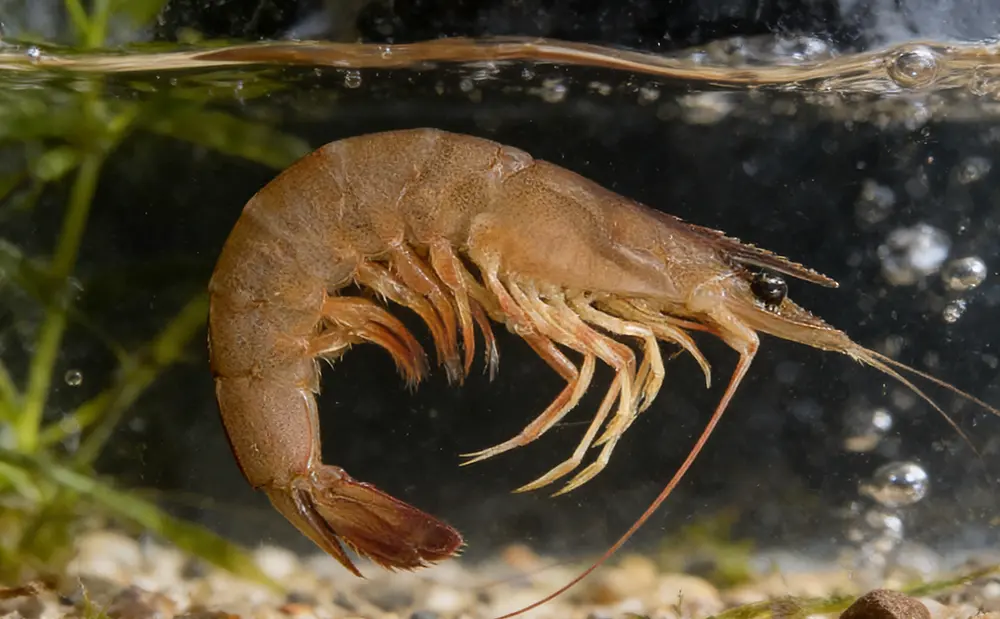 Comprehensive Study of the Giant Tiger Prawn (Penaeus monodon) in Indonesian Waters
Comprehensive Study of the Giant Tiger Prawn (Penaeus monodon) in Indonesian Waters
Oysters: Living Filters of the Ocean
Oysters: Living Filters of the Ocean
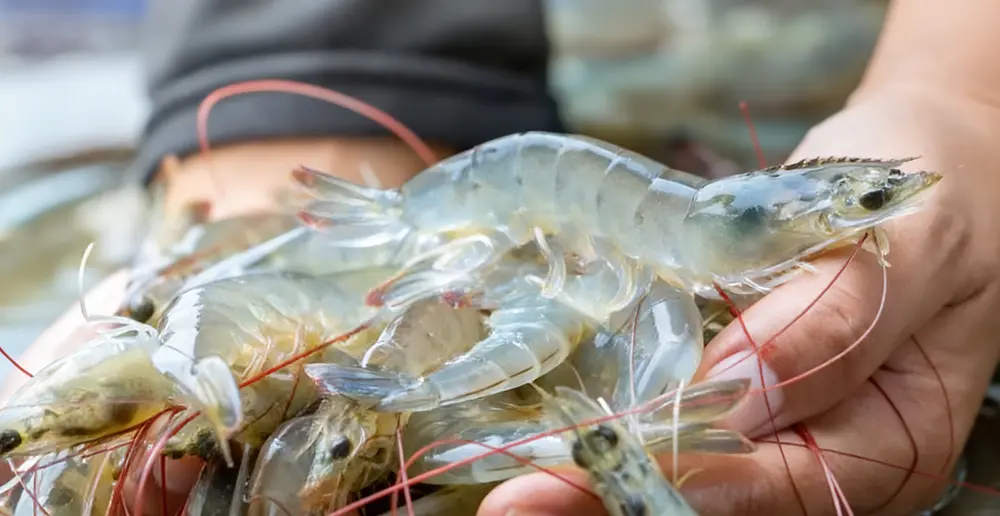 A Comprehensive Analysis of the Indonesian White Prawn (Penaeus merguiensis)
A Comprehensive Analysis of the Indonesian White Prawn (Penaeus merguiensis)
4Glass Catfish Unveiled: Morphological Traits, Daily Life, Ornamental Appeal, Strains, and Seasonal C
5Red Cod| Rockfish | Rosefish: Biology and Sustainable Utilization of a Deep-Sea Delicacy
6Physical Characteristics of the Checkerboard Wrasse | Habits | Edible Value | Varieties | Seasonalit
7Moray eel | Eels—Muraenidae: The Secret Predators of the Abyss
8Bluefin Tuna: Biology and Fisheries Value of a Tropical Oceanic Wanderer
9Silver Cod Essentials: Form, Living Behavior, Taste, Types, and Peak Seasons
10Physical Characteristics of Sea Bream | Habits | Edible Value | Species Overview