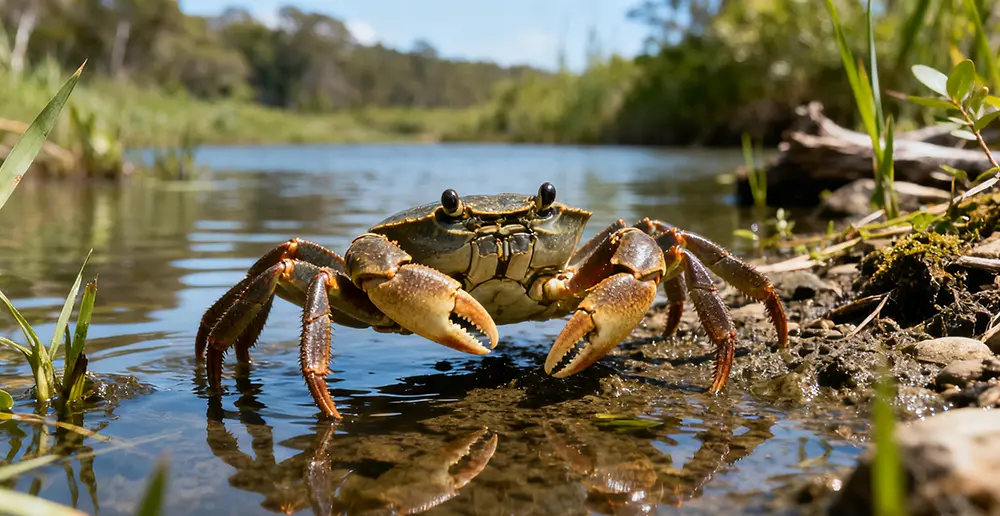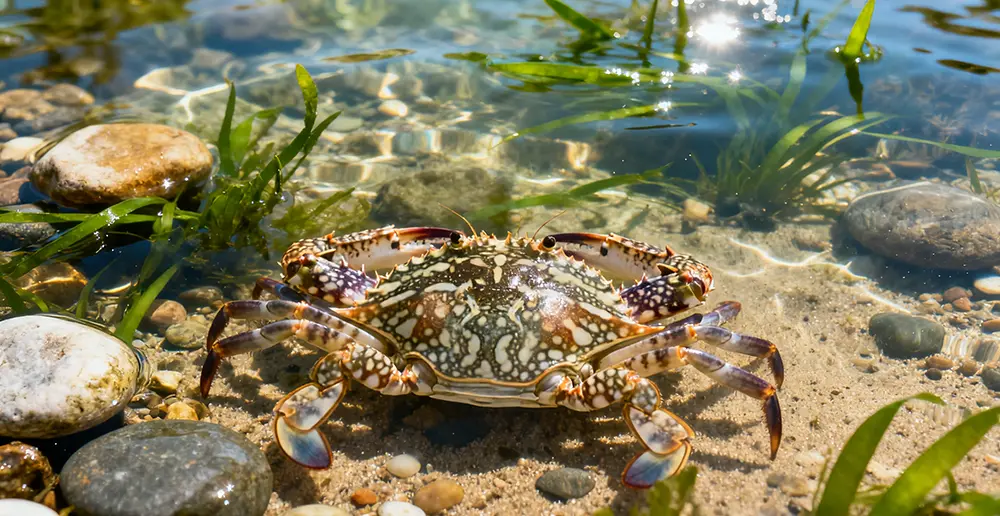
The Hairy Crab (scientific name: Eriocheir sinensis; Chinese name: 大闸蟹), also known as the Chinese mitten crab(中华绒螯蟹) or river crab(河蟹), is primarily found in freshwater and brackish waters across East Asia. It is a migratory crab species of significant economic value.
The carapace of the Hairy Crab is square to round in shape, typically ranging from 6 to 8 centimeters in width, with the largest recorded specimen reaching 10 centimeters. The carapace surface is uneven, featuring four sharp frontal teeth along the frontal margin and four sharp anterolateral teeth. The most distinctive feature is the dense setae covering the palm and dactyl segments of the chelipeds, which are particularly well-developed in males. The walking legs are flattened and bear swimming setae, adapted for swimming. Compared to the mud crab, the Hairy Crab is smaller in size and has denser setae on its chelipeds; compared to the swimming crab, the Hairy Crab has a thicker carapace and walking legs better suited for crawling.
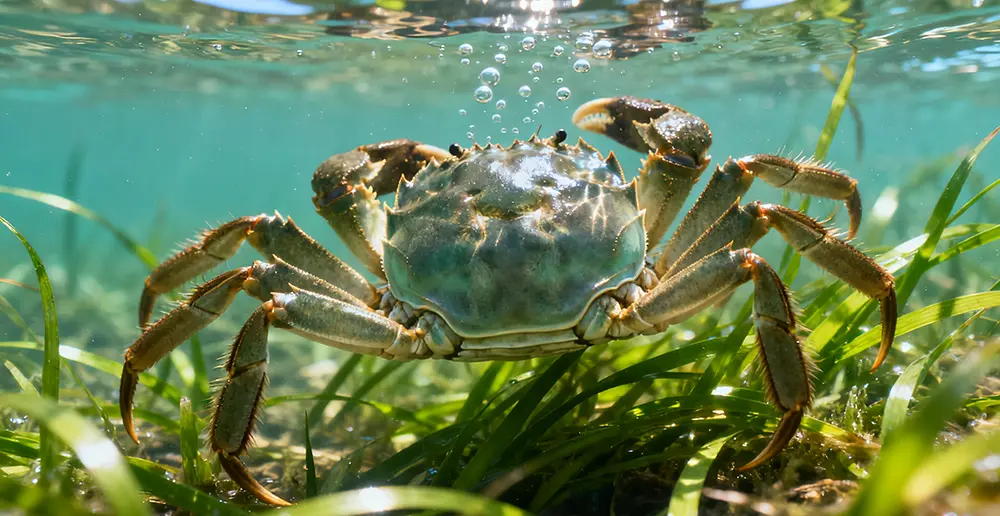
The internal structure of the Hairy Crab includes a well-developed digestive system, respiratory system, circulatory system, and reproductive system. The gill chamber contains 21 pairs of lamellar gills, enabling the crab to adapt to freshwater environments while also tolerating a certain level of salinity. The stomach is divided into the cardiac and pyloric regions, featuring a complex gastric mill. The hepatopancreas is particularly well-developed, occupying most of the body cavity. The reproductive system is well-developed, with females possessing well-developed ovaries and males possessing testes and vasa deferentia. Compared to the stone crab, the gill structure of the Hairy Crab is better adapted to salinity fluctuations; compared to the red-clawed crab, its digestive system is better suited to an omnivorous diet.
The Hairy Crab possesses several special structures adapted to a migratory lifestyle: the setae on the chelipeds enhance sensory perception, aiding foraging in turbid waters; the walking legs bear swimming setae, improving swimming ability; and the gill chamber has a unique structure that regulates osmotic pressure to adapt to varying salinity levels. Compared to sand crabs, the Hairy Crab is more capable of terrestrial activity; compared to stream crabs, its salt tolerance is more pronounced, enabling it to complete the migration process from freshwater to seawater.
The Hairy Crab is primarily distributed in freshwater bodies such as rivers, lakes, and reservoirs in East Asia, including China and the Korean Peninsula. During the breeding season, it migrates to estuarine brackish water areas. It typically inhabits water depths of 2–10 meters, preferring slow-moving waters with dense aquatic vegetation and a muddy-sandy substrate. The optimal water temperature is 15–25°C, and it requires high dissolved oxygen levels (greater than 5 mg/L). Compared to marine crabs, the Hairy Crab spends more time in freshwater environments; compared to land crabs, it is more aquatic and requires constant contact with water.
The Hairy Crab is an omnivore, primarily feeding on aquatic plants, benthic animals, organic detritus, and fish carcasses. Its foraging methods include active predation and scraping, using its chelipeds to capture live prey or scrape off attached organisms. Feeding activity occurs mainly at night, and the species exhibits a distinct phototaxis. Daily food intake accounts for approximately 5–8% of body weight. Compared to carnivorous crabs, the Hairy Crab has a broader dietary range; compared to filter-feeding bivalves, its feeding behavior is more active, allowing it to process larger food items.
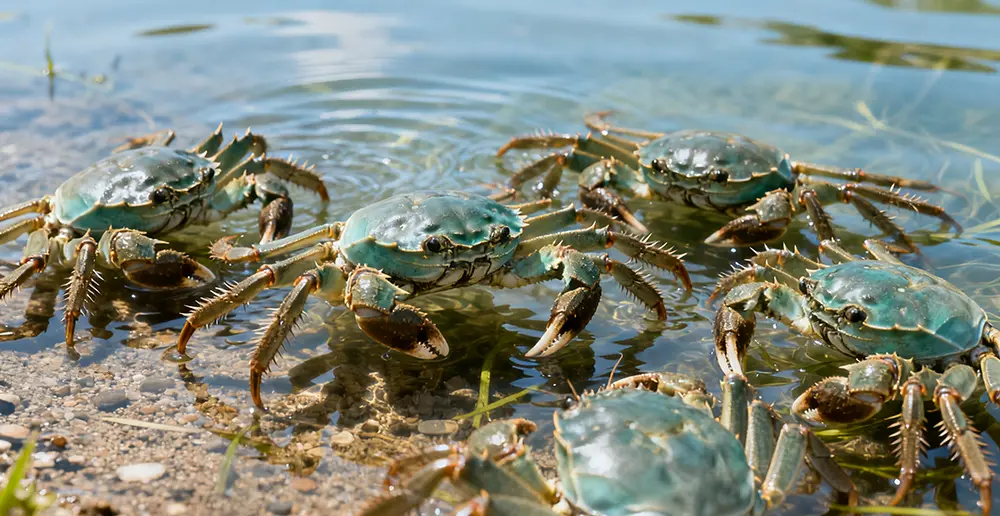
The Hairy Crab features succulent meat and plump roe (or hepatopancreas), with a protein content of approximately 16–18% and a fat content of 7–9%, making it a high-quality, high-protein food source. It is rich in omega-3 fatty acids (EPA and DHA content reaching 200–400 mg/100 g), offering anti-inflammatory and cardiovascular protective benefits. In terms of minerals, zinc and selenium stand out, with zinc content exceeding 80% of the daily requirement and selenium content reaching 70% of the daily requirement. Compared to sea crabs, the Hairy Crab has more abundant roe; compared to freshwater shrimp, it is richer in trace elements, particularly calcium.
Hairy Crabs are best suited for steaming, which preserves their natural flavor to the fullest; they can also be used to prepare traditional delicacies such as drunken crab and crab roe paste. In the Jiangnan region, they are often served with ginger and vinegar to balance their cooling nature. Compared to mud crabs, Hairy Crabs have a more delicate texture; compared to swimming crabs, their roe has a richer flavor. The optimal cooking time is 15–20 minutes after the water comes to a boil. Female crabs are best in the ninth lunar month, while male crabs are at their fattest in the tenth lunar month. Overcooking can cause the meat to become tough and the roe to leak out.
When consuming Hairy Crabs, please note the following: First, they may carry parasites such as lung flukes, so they must be thoroughly cooked before eating; second, parts such as the gills and stomach may accumulate contaminants, so it is recommended to remove these before consumption; third, as they are considered a cooling food in traditional diet, those with a cold constitution should avoid eating them in large quantities. Some nature reserves prohibit the harvesting of wild Hairy Crabs; consumers should choose legally farmed products. It is recommended to select live crabs; those that have been dead for more than two hours should not be consumed.
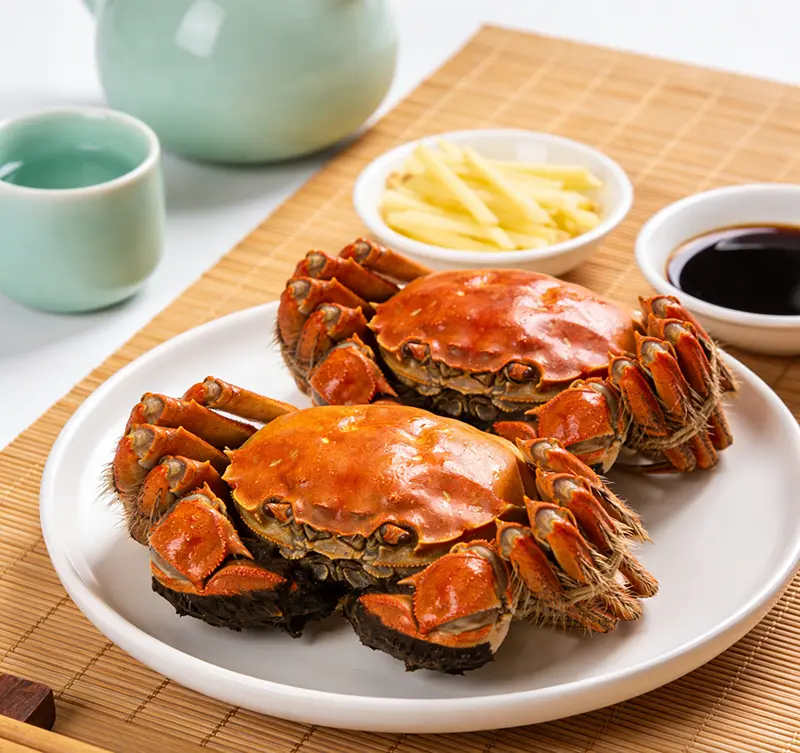
Common Hairy Crab varieties in the Chinese market include: Yangcheng Lake Hairy Crabs (with a bright green carapace and golden setae on the chelipeds), Taihu Lake Crabs (larger in size, with plump roe), and Hongze Lake Crabs (sweet and tender meat). Distinguishing by appearance: high-quality Hairy Crabs have a greenish carapace and a pure white abdomen; their chelipeds are covered with dense, golden-yellow setae; and their walking legs have thick bristles. Graded by size: 3 liang (150 g), 4 liang (200 g), 5 liang (250 g), and above. Crabs from different regions exhibit subtle differences in texture and flavor.
Common species often confused in the market include: the Japanese mitten crab (Eriocheir japonica), the recta mitten crab (Eriocheir recta), and certain stream crabs. Key identification points: authentic Hairy Crabs have sharp, deep frontal teeth; Japanese mitten crabs have blunter frontal teeth; recta mitten crabs have a straighter frontal margin; stream crabs are smaller in size and are non-migratory. There is a significant price difference: high-quality Hairy Crabs can cost over 100 yuan each, while imitation varieties cost less than half that price.
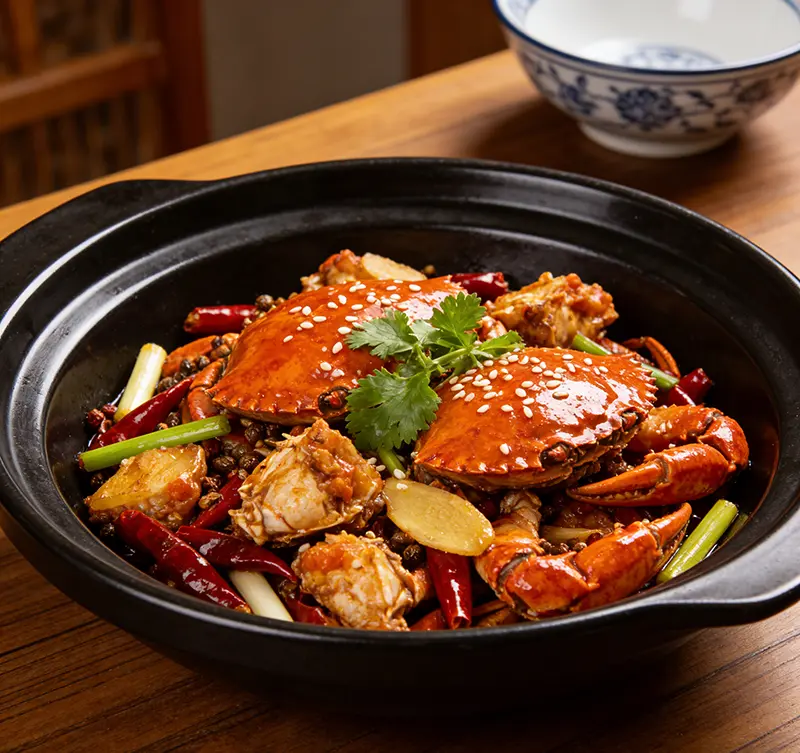
The optimal time to eat Hairy Crabs is from September to November each year, with a folk saying that "September is for females, October for males." In the Yangtze River basin, harvesting generally begins in August and ends in December. Farmed Hairy Crabs can be brought to market later by controlling water temperature, but naturally grown crabs offer the best quality. Compared to sea crabs, the seasonality of Hairy Crabs is more pronounced; compared to farmed fish, their quality is more significantly affected by the season. After the breeding season, the meat quality declines, making them unsuitable for consumption.
Hairy Crabs have a short survival time out of water and are typically stored using moist refrigeration (5–8°C). Live transport requires maintaining humidity and ventilation. Traditional preservation methods include tying them with ropes to retain moisture and temporary storage in water. Modern preservation techniques, such as oxygen-flushed packaging, can extend survival to 3–5 days. When purchasing, consumers should look for: live Hairy Crabs that react quickly and release bubbles evenly; hard shells and intact limbs. For home storage, covering them with a damp cloth and refrigerating can preserve them for 2–3 days; avoid keeping them in water for too long.
The role of Hairy Crabs in the ecosystem is complex: they help remove organic matter but may also damage embankments and aquatic vegetation. As an invasive species, they have caused serious ecological problems in Europe and North America. China implements a farming permit system and strictly controls wild harvesting. Conservation measures include: establishing closed seasons, regulating farming density, and conducting germplasm resource conservation. Some lakes practice ecological farming, improving the farming environment by planting aquatic plants and introducing snails.
Hairy Crab farming primarily employs pond culture and lake-based farming methods. China is the world's largest producer of Hairy Crabs, with an annual output exceeding 800,000 tons, mainly in Jiangsu, Anhui, and Hubei provinces. Technical challenges include: seedling cultivation (low survival rate of zoea larvae), water quality management (prone to cyanobacterial blooms), and disease control (particularly trembling disease). In recent years, eco-friendly farming models have been promoted to improve quality through the cultivation of aquatic plants and the use of microbial agents.
The Hairy Crab holds a special place in Chinese culinary culture: it is a key ingredient for festivals such as the Mid-Autumn Festival and National Day; in the Jiangnan region, there is a saying that "autumn is incomplete without crabs"; and related culinary traditions have been listed as intangible cultural heritage. The industry chain includes farming, logistics, catering, and processing, with an annual output value exceeding 100 billion yuan. Compared to other aquatic products, Hairy Crabs have higher brand value but are also subject to greater market volatility.
As a distinctive Chinese aquatic product, the biological characteristics and economic value of the Hairy Crab warrant in-depth research.
From a morphological perspective, their unique setose chelipeds and physiological structures adapted for migration hold research value; ecologically, they are both a commercially valuable farmed species and a potential invasive alien species; in terms of edible value, their rich roe and succulent meat are highly prized, though food safety must be ensured. Species identification requires attention to geographical indication characteristics to avoid purchasing counterfeit products. They are highly seasonal, with the best quality in autumn. Industry development must balance economic benefits with ecological conservation, and aquaculture techniques require continuous innovation. The Hairy Crab holds a unique position in Chinese culinary culture, and the related industrial chain is well-established.
Future efforts must focus on germplasm conservation, quality traceability systems, and sustainable development to ensure the sustainable use of this distinctive resource.
Morphological data: Fauna of China – Arthropoda, Crustacea
Ecological habits: Related research in the journal *Freshwater Biology*
Nutritional composition: Standard Edition of the Chinese Food Composition Tables
Farming techniques: Research from the *Journal of Fisheries of China* (2000–2023)
Economic data: *China Fishery Statistical Yearbook*
Cultural data: List of Intangible Cultural Heritage
Flower Crab: Identification, Habits, Eating Value, Breeds, and Best Time to Enjoy
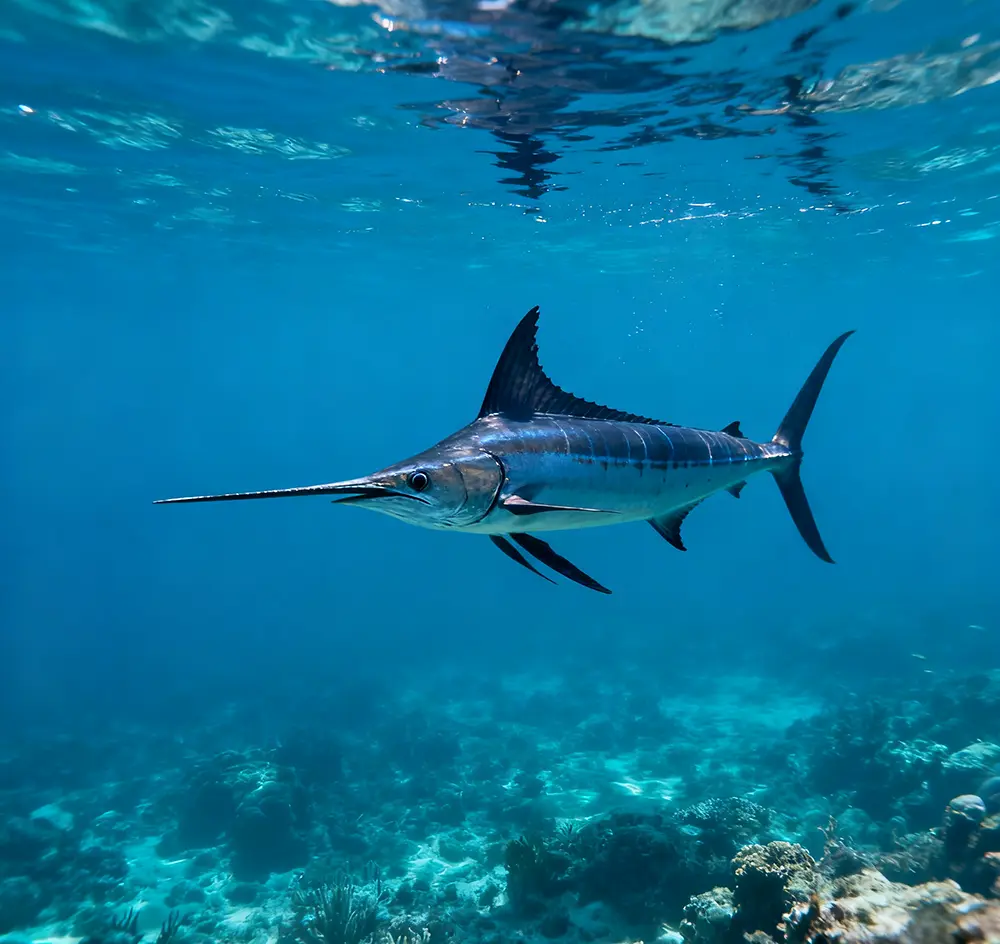 Swordfish: The Silver Blade of the Ocean
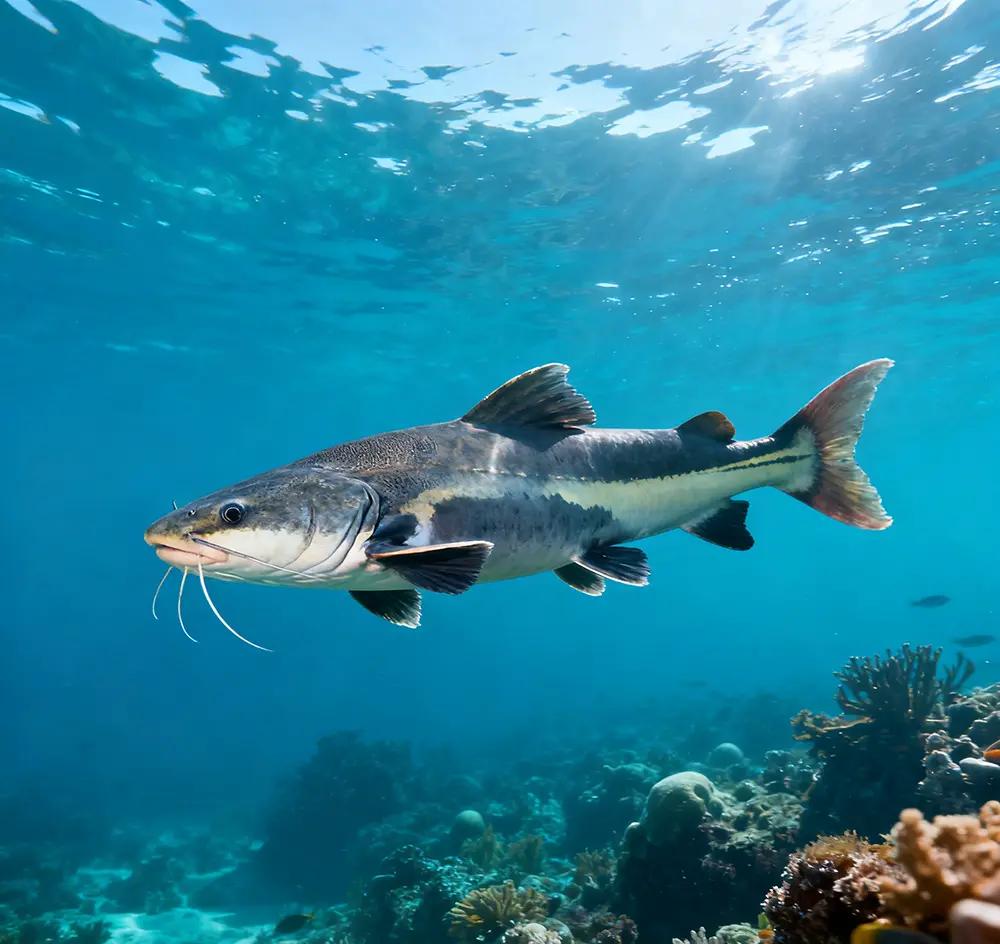 Hardhead Catfish Decoded: Morphology, Habits, Edible Value, Varieties, and Timing
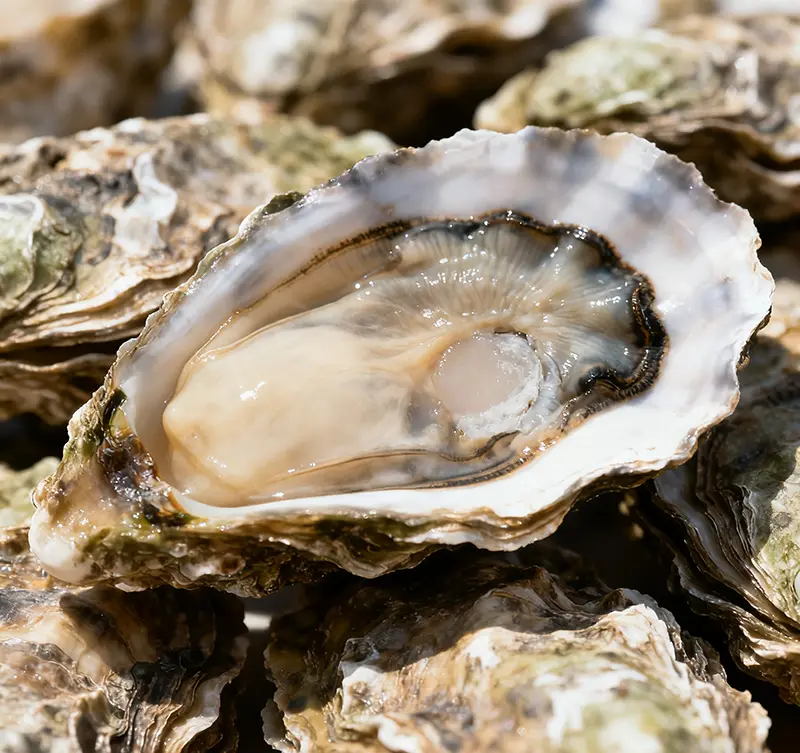 Oysters: Living Filters of the Ocean
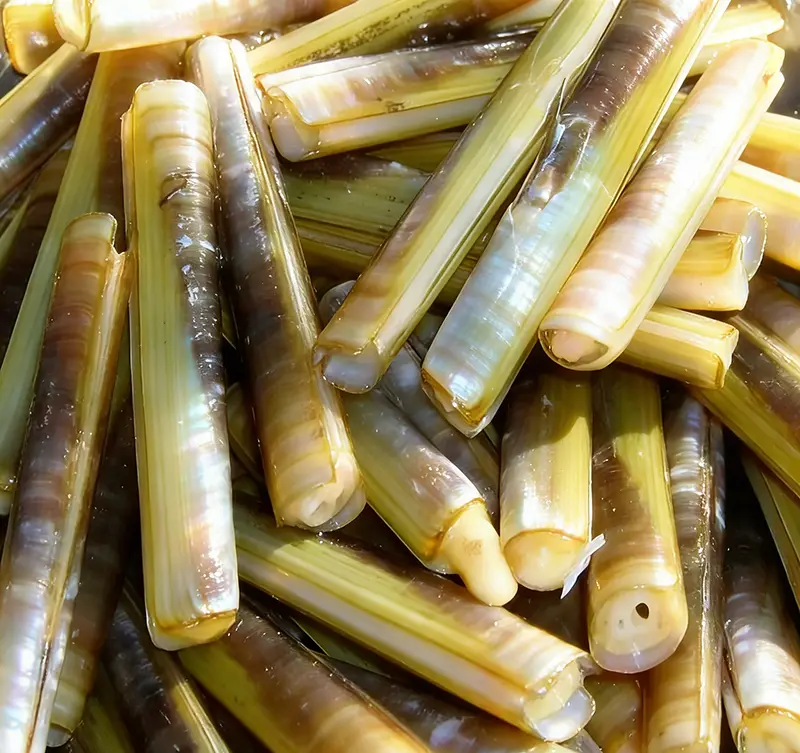 On the Bamboo Clam: Morphology, Burrowing Habits, Edible Value, Species Diversity, and Seasonal Occu
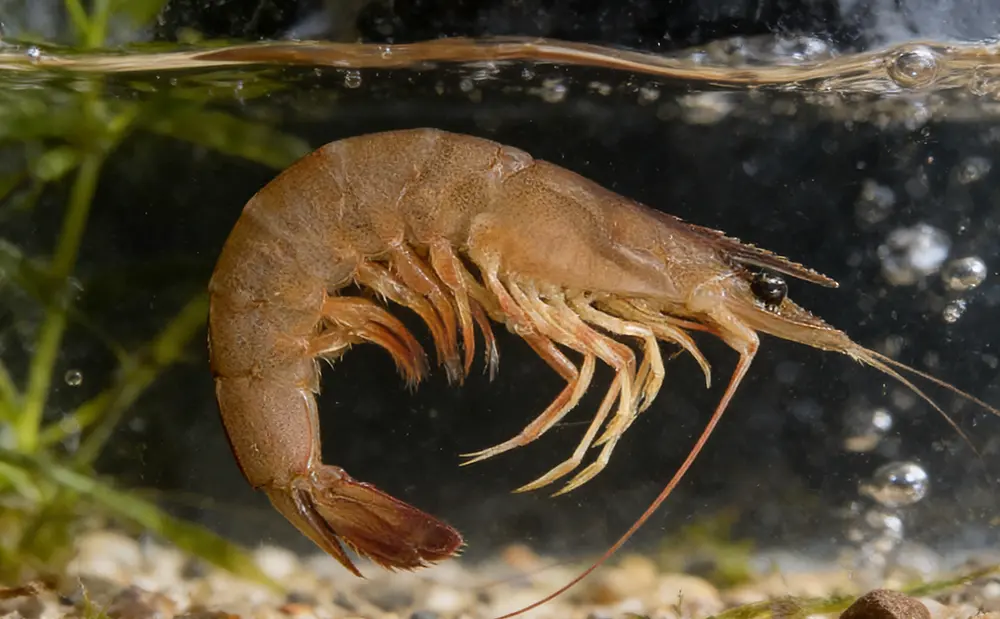 Comprehensive Study of the Giant Tiger Prawn (Penaeus monodon) in Indonesian Waters
Comprehensive Study of the Giant Tiger Prawn (Penaeus monodon) in Indonesian Waters
Oysters: Living Filters of the Ocean
Oysters: Living Filters of the Ocean
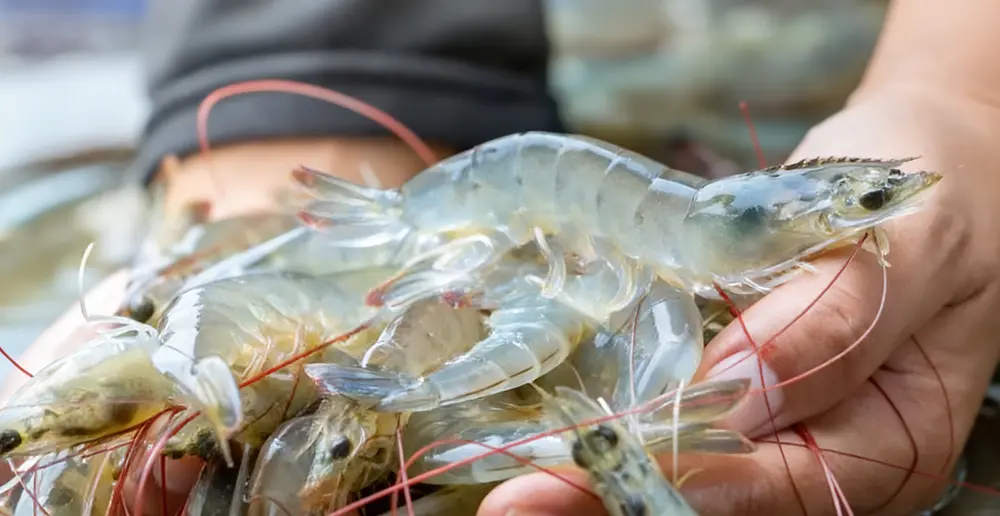 A Comprehensive Analysis of the Indonesian White Prawn (Penaeus merguiensis)
A Comprehensive Analysis of the Indonesian White Prawn (Penaeus merguiensis)