Deep-sea Eels | Eels—Muraenidae: The Secret Predators of the Abyss
Deep-sea eels, or moray eels (Muraenidae), refer broadly to groups such as the Anguilliformes and Myctophiformes that inhabit continental slopes, ocean trenches, and the mesopelagic zone (at depths ranging from 200 meters to several thousand meters). This group includes various species such as snake eels, conger eels, and thread eels, and constitutes a key component of the dark deep-sea ecosystem. They are recluses of the seafloor, leading secluded lives in the cavities of reefs or depressions on the seabed.
Deep-sea eels generally possess highly elongated, serpentine or ribbon-like bodies, ranging in length from 20 centimeters (e.g., Pseudocorydoras) to 3.2 meters (e.g., Long-tailed Curved-tooth Eel). This streamlined structure significantly reduces energy expenditure during swimming in viscous seawater while facilitating burrowing into sediments or rock crevices. Skeletal calcification is notably insufficient; in most species, the skeleton is thin and flexible. For example, members of the family Nemichthyidae possess up to 750 vertebrae, allowing them to twist their bodies like a whip to navigate through narrow spaces. Muscle tissue is rich in collagen, with a loose, gel-like texture that effectively resists the destructive effects of deep-sea high pressure (>200 atmospheres) on cellular structures.
The body surface is completely scaleless or bears only minute, vestigial scales; the skin is thin and translucent, often appearing dark black, deep brown, or purplish-red (due to the absorption of bioluminescence), and in some species (such as the black-horned nemichthyid Melanocetus johnsonii), the epidermis is even exposed and gelatinous. The head is highly specialized: the mouth is enormous and can expand to more than 1.5 times the head length (e.g., the broad-throated eel Eurypharynx pelecanoides), and the lower jaw often possesses elastic ligaments; Dental morphology is highly specialized—predatory species (e.g., Synaphobranchus) possess canine-like or comb-like sharp teeth, while scavenging species (e.g., Saccopharynx) have fine, bristle-like teeth. Eyes are generally reduced or absent, with only a few pelagic species (e.g., Avocettina) retaining photoreceptive capabilities.
Approximately 30% of deep-sea eels have evolved bioluminescent organs. Bioluminescence mechanisms include:
1) Bioluminescence produced by symbiotic bacteria (e.g., the luminous nodule at the base of the caudal fin in *Stylephorus chordatus*);
2) Autoluminous luciferase-luciferin reactions (e.g., the lateral luminescent spots of *Serrivomer*);
3) Secondary bioluminescence following the ingestion of luminescent plankton (e.g., *Eurypharynx*). Functions include attracting prey (e.g., the luminous lure on the chin of the horned eel), confusing predators (e.g., by emitting a cloud of luminous mucus), and species recognition (e.g., through specific flashing frequencies).
Highly developed sensory compensation systems: the lateral line system forms a complex network of tubes in the head, capable of detecting low-frequency vibrations below 0.1 Hz (e.g., the movement of crawling crustaceans); the olfactory epithelium accounts for 60% of brain volume (in the Congeridae family), capable of detecting amino acids at concentrations as low as one part per billion; in some species (such as the thread eel), the tail extends into slender sensory filaments densely covered with chemical receptors, enabling them to locate decaying carcasses in complete darkness.
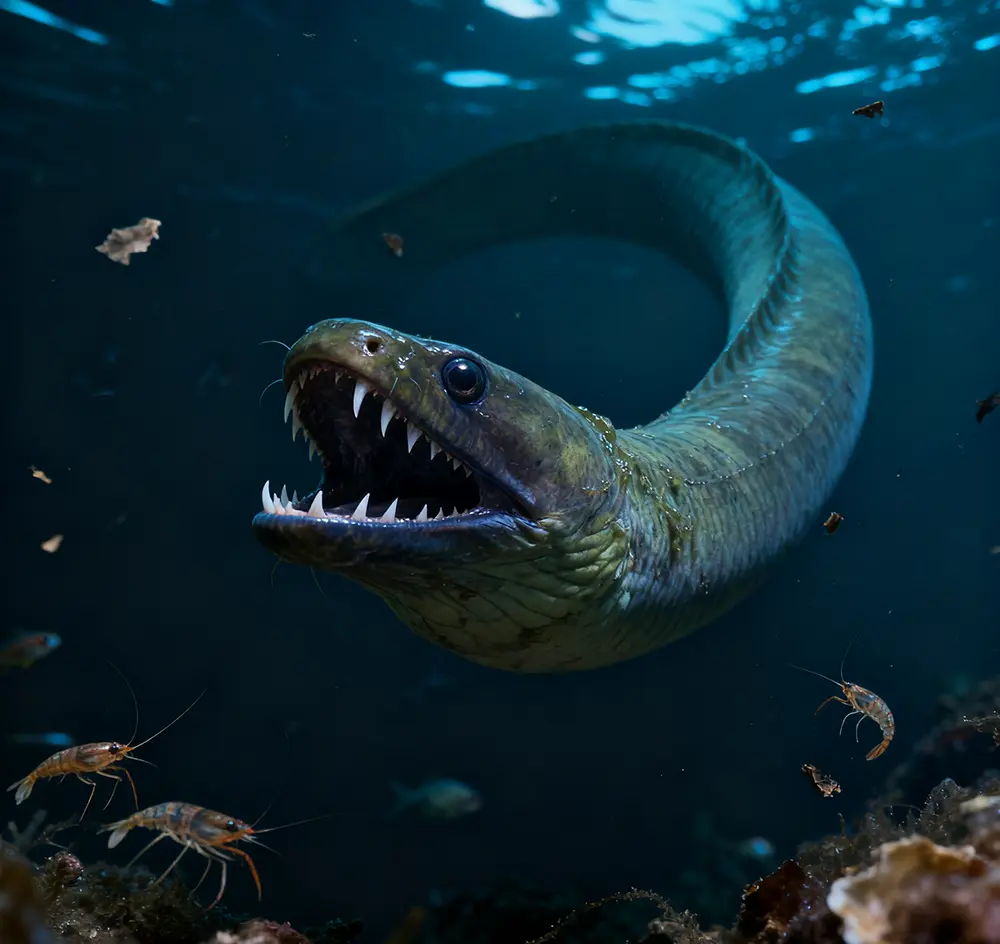
Most deep-sea eels exhibit diurnal vertical migration (DSVM). Taking midwater species as an example: during the day, they lurk at depths of 400–1,000 meters to evade visual predators (such as tuna); at night, they ascend to depths of 100–300 meters to feed on plankton such as krill and copepods. Deep-sea bottom-dwelling species (>2,000 meters) typically inhabit the slopes of seamounts, hydrothermal vents, or the vicinity of whale falls; for example, the hydrothermal blind eel *Thermobiotes mytilogeiton* is obligately associated with hydrothermal vents at 83°C.
Microhabitat utilization is highly specialized: the family Ophichthidae uses their conical heads to burrow into soft mud substrates, constructing U-shaped burrows; Dysomma species attach themselves to tubular sponges using their tails; and the broad-throated fish suspend themselves in the water, relying on their massive mouths to filter plankton.
The feeding strategies of deep-sea eels exhibit a gradient of differentiation:
· Active Predators: Such as the deep-sea conger eel (Synaphobranchus kaupii), which uses its streamlined body to ambush lanternfish and giant-mouthed fish; its stomach is highly elastic, allowing it to swallow prey weighing up to 80% of its own body weight;
· Ambush predators: For example, the bathysaurus (Bathysaurus ferox) lies in wait in sediments, exposing only its mouth, and uses explosive biting force to capture passing crustaceans;
· Filter-feeding: The Saccopharyngiformes family possesses a pouch-like throat, capable of filtering copepods from 200 liters of seawater in a single swallow;
· Obligate scavengers**: The thread eel (Nemichthys scolopaceus) uses its long tail filaments to locate whale carcasses; when feeding in groups, they can consume up to 40 kilograms of carrion per hour.
Deep-sea eels generally adopt a one-time reproduction strategy. Take the European deep-sea eel (Synaphobranchus) as an example: sexual maturity takes 10–15 years; during the breeding season, they migrate in groups to specific seamounts, where females release millions of buoyant eggs (diameter < 1 mm), and males die immediately after synchronized sperm release. Larvae undergo a prolonged elver stage (2–5 years), drifting with ocean currents for thousands of kilometers before metamorphosing into adults and descending to the abyss.
Special adaptations include:
1) Extreme sexual dimorphism (e.g., male whip-crowned eels are only 1/20 the size of females and parasitically attach to them);
2) In some species (e.g., thread eels), the digestive system degenerates upon sexual maturity, making reproduction entirely dependent on stored energy.
Only a few midwater eels are utilized on a small scale:
· Deep-sea conger eel (Synaphobranchus affinis) from the Sea of Japan: A bycatch of bottom trawling in Hokkaido; its flesh is coarser than that of shallow-water eels and is often processed into fish cakes or smoked products;
· · Ash-spotted conger (Muraenesox cinereus): Although primarily found in shallow waters, large individuals can be caught at depths of up to 500 meters; fishermen in the East China Sea catch them using longline fishing and export them after salting;
· Atlantic conger (Conger oceanicus*): A common species found at depths of 300 meters off the east coast of North America; its flesh has a fat content of up to 15%, making it suitable for charcoal grilling or stewing.
Culinary Challenges:
1) Gelatinous muscle tissue tends to fall apart during cooking and requires pre-treatment (rubbing with salt or marinating in vinegar);
2) Some species (such as the thread eel) contain high concentrations of trimethylamine oxide (TMAO), which breaks down to produce a strong ammonia odor;
3) Deep-sea species accumulate pollutants (methylmercury levels can reach 1.5 mg/kg); the EU recommends consuming no more than 100 grams per month.
The following groups are protected by international conventions due to their rarity or ecological niche:
| Species Name | Protection Status | Distribution Depth | Reason for Threat |
Giant-mouthed eel (Eurypharynx pelecanoides) | CITES Appendix II (Proposed) | 1,000–3,000 m | Bycatch in deep-sea trawling; extremely low reproduction rate |
Hydrothermal vent blind eel (Thermobiotes mytilogeiton) | IUCN Critically Endangered (CR) | East Pacific hydrothermal vents | Only 3 remaining habitats, each <10 km² |
Long-tailed bent-tooth eel (Histiobranchus bathybius) | EU-protected species | South Atlantic, 2,000–4,500 m | Lifespan up to 70 years, late sexual maturity |
· Long-necked eel (Derichthys serpentinus): Head accounts for 1/4 of body length; long, flexible neck allows for multi-angle ambushes on krill swarms. Silvery-gray body with iridescent sheen; distributed in temperate oceans worldwide.
· Sawtooth eel (Serrivomer beanii): Upper jaw resembles a serrated blade; two rows of photophores on body sides. It dives to depths of 1,500 meters during the day and ascends to 100 meters at night; it is a dominant species in the Atlantic.
· Broad-throated eel (Eurypharynx pelecanoides): Its mouth expands to a diameter three times its body width, and its stomach is extremely elastic. Possesses a luminous sphere at the tip of the tail to attract curious prey. Found in abyssal zones worldwide.
· Whip-tailed eel (Stylephorus chordatus): Body as slender as a thread; the caudal fin extends into a 1-meter-long luminous whip used to detect plankton density. Found exclusively in the Atlantic at depths of 3,000 meters or deeper.
· Hydrothermal vent blind eel (Thermobiotes mytilogeiton): Eyeless and scaleless, its body surface is covered by a symbiotic membrane of thermophilic bacteria. It feeds on tubular worm larvae found at hydrothermal vents and can tolerate temperatures up to 91°C.
· Whale-bone eel (Simenchelys parasiticus): Possesses chisel-like teeth and specializes in gnawing on whale bones that have sunk to the deep sea; it can burrow into the medullary cavities of bones to feed on lipids. A keystone species in the North Atlantic food web.
The fishing window for deep-sea eels is extremely narrow:
· Pelagic species: Spring (April–June) is the spawning aggregation period. During this time, conger eels in the Norwegian Sea and Bering Sea can be caught by trawl nets, but EU regulations limit the catch per haul to ≤200 kg;
· · Demersal species: No seasonal patterns, but most countries prohibit fishing in deep-sea protected areas (e.g., hydrothermal vents along the Mid-Atlantic Ridge);
· Scientifically authorized fishing: Limited to applications by research institutions; for example, the Japan Agency for Marine-Earth Science and Technology (JAMSTEC) has an annual quota of 50 Pacific black-striped eels.
The vulnerability of deep-sea eel populations is reflected in:
1) Late sexual maturity (average 12 years);
2) Low recruitment rates (juvenile survival rate <0.1%);
3) Habitat specialization (e.g., hydrothermal vent species are unable to migrate).
Current threats include:
· Bottom trawling destroys seamount coral forests (30% of deep-sea eels depend on this ecosystem);
· Deep-sea mining leading to the release of toxic metals from sediments;
· Climate warming causing the expansion of hypoxic zones in the mesopelagic zone, forcing eels into unsuitable depths.
Although both belong to the order Anguilliformes, their ecological differences are significant:
· Body shape: Shallow-water eels (such as the Japanese eel, Anguilla japonica) have laterally compressed bodies adapted to estuaries; deep-sea eels are mostly cylindrical or ribbon-shaped;
· Pigmentation: Shallow-water eels possess camouflage markings; deep-sea species are predominantly dark-colored, with some being translucent;
· Reproduction: Estuarine eels must migrate thousands of kilometers to ocean basins to spawn; deep-sea eels typically reproduce locally;
· Pressure tolerance: Estuarine eels suffer swim bladder rupture below 300 meters; deep-sea eels can withstand 600 atmospheres of pressure (equivalent to a depth of 6,000 meters).
The two are often caught together, but hairtail (Trichiuridae) has distinct characteristics:
· Classification: Hairtail belongs to the Perciformes order and is distantly related to eels;
· Body shape: Hairtail is extremely laterally compressed like a knife, with a dorsal fin extending along the entire body; eels are cylindrical;
· Behavior: Hairtail are gregarious predators; eels are mostly solitary or live in small groups;
· Economic value: Hairtail (e.g., Trichiurus lepturus) are globally commercial species; deep-sea eels are only marginally utilized.
As key consumers in abyssal ecosystems, deep-sea eels have adapted to the extreme conditions of high pressure, darkness, and low temperatures through highly specialized morphology and behavior.
From thread eels with elastic gelatinous muscles to wide-throated eels that filter-feed through their massive mouths, from scavengers that feed exclusively on whale bones to thermophilic blind eels inhabiting hydrothermal vents, over 500 species of deep-sea eels occupy a wide range of ecological niches from the mesopelagic zone to the bottoms of ocean trenches. The diversity of their light-emitting organs (bioluminescence from symbiotic bacteria, autofluorescence, and the ejection of luminous mucus) and the extreme development of alternative sensory organs (enlarged olfactory brain regions, sensory filaments on the tail, and networks of low-frequency vibration detection tubes) highlight the evolutionary marvels of life in the abyss.
However, these organisms face a severe survival crisis: physical destruction of seamount habitats by bottom trawling, heavy metal pollution released by deep-sea mining, and bycatch pressure from longline fishing have already pushed species such as the giant eel to the brink of extinction. Currently, only a few mesopelagic species, such as the conger eel, are utilized to a limited extent, and vigilance is required regarding the risk of mercury accumulation; the vast majority of deep-sea eels are strictly protected by CITES, IUCN, and regional fisheries organizations due to their slow growth (taking over 10 years to reach sexual maturity), low recruitment rates (juvenile survival rate <0.1%), and highly specialized habitats.
Research on deep-sea eels is not only crucial for species survival but also serves as a key to understanding deep-sea carbon cycles (energy transfer via whale falls) and biological adaptation mechanisms; their survival status directly reflects the extent of human impact on Earth’s final frontier.
1. Number of deep-sea eel species: Based on 2023 statistics from the WoRMS database (including described and pending species);
2. Mouth expansion ratio of the broad-throated eel: Cited from the ROV observation report in Deep-Sea Research Part I, Vol. 158 (2020);
3. Mercury content in deep-sea eels: Compiled from the EFSA (European Food Safety Authority) 2022 risk assessment report on deep-sea fish and monitoring data from Japan’s Ministry of Health, Labour and Welfare;
4. Thermal tolerance data for hydrothermal blind eels: Referenced from a study on the heat tolerance of organisms in East Pacific hydrothermal vents published in *Nature Ecology & Evolution*, Issue 5 (2021);
5. Ecological damage rate caused by deep-sea trawling on seamounts: Based on an analysis of the global deep-sea trawling footprint model published in *Science Advances* in 2022.
Bluefin Tuna: Biology and Fisheries Value of a Tropical Oceanic Wanderer
Home Back to ColumnTiger Grouper | Pearl Grouper | Tiger-Dragon Grouper | Tiger Grouper Hybrid
 Swordfish: The Silver Blade of the Ocean
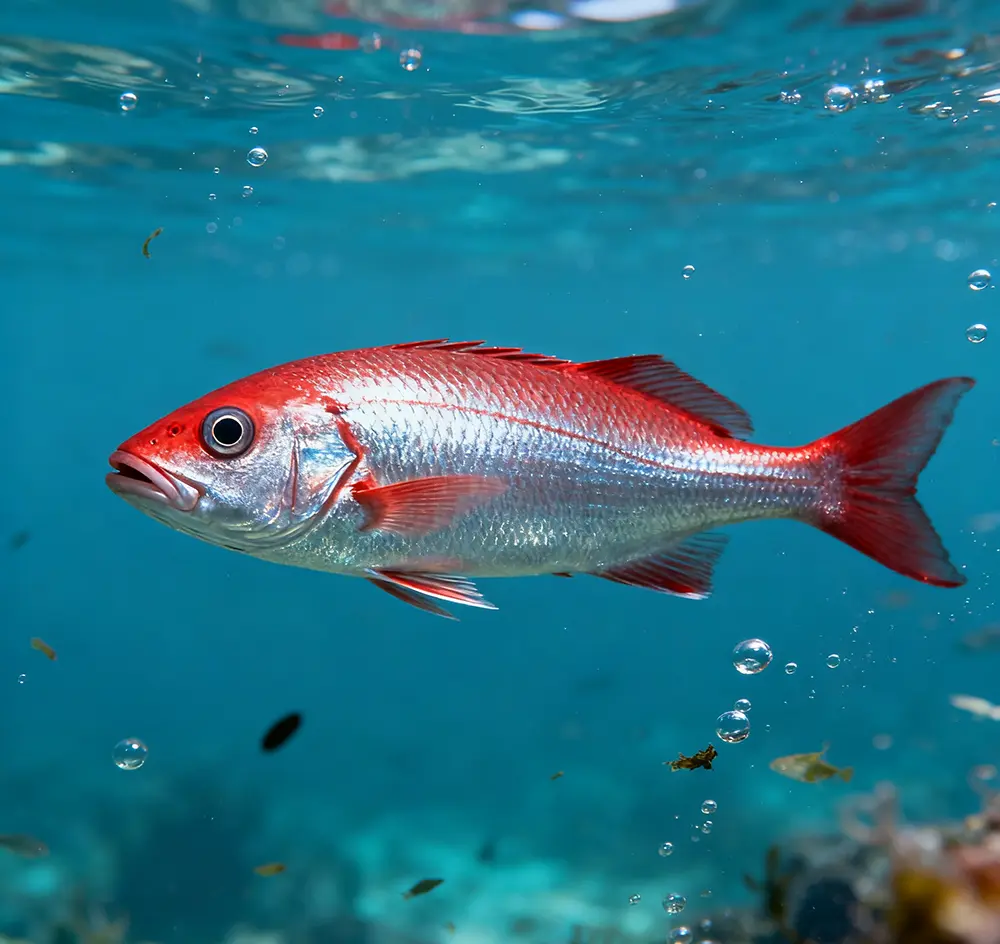 Red Cod| Rockfish | Rosefish: Biology and Sustainable Utilization of a Deep-Sea Delicacy
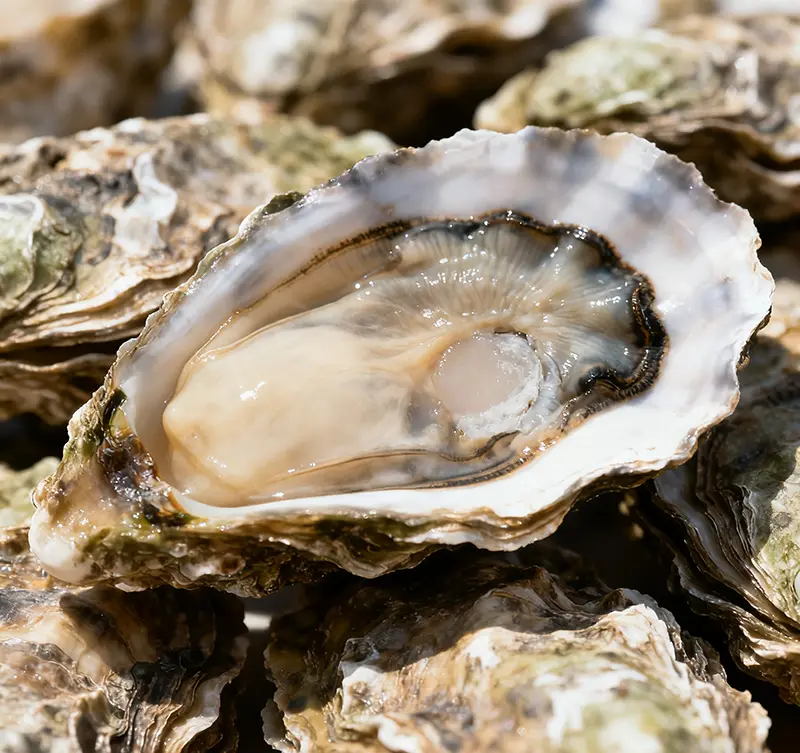 Oysters: Living Filters of the Ocean
Oysters: Living Filters of the Ocean
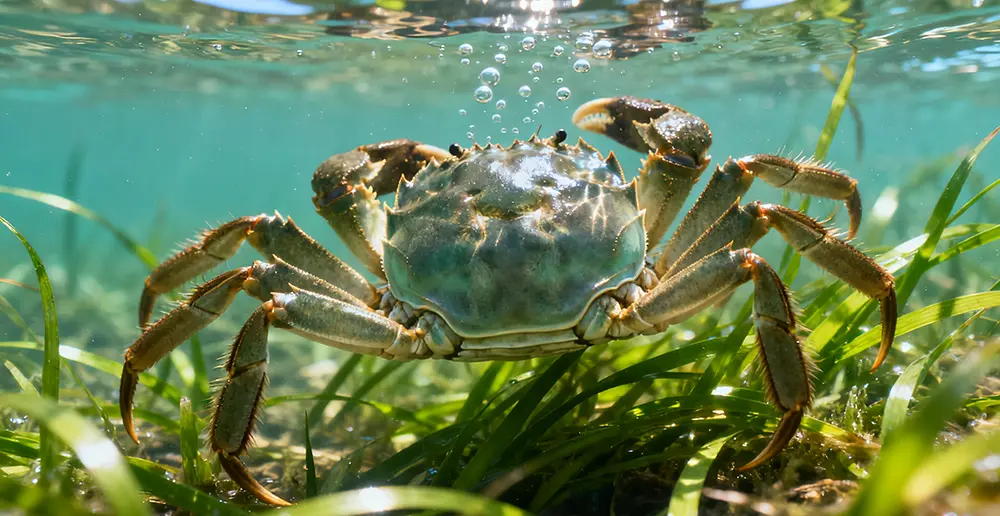 Hairy Crab: Form, Life, Flavor, Types, and Season
Hairy Crab: Form, Life, Flavor, Types, and Season
Red Cod| Rockfish | Rosefish: Biology and Sustainable Utilization of a Deep-Sea Delicacy
Red Cod| Rockfish | Rosefish: Biology and Sustainable Utilization of a Deep-Sea Delicacy
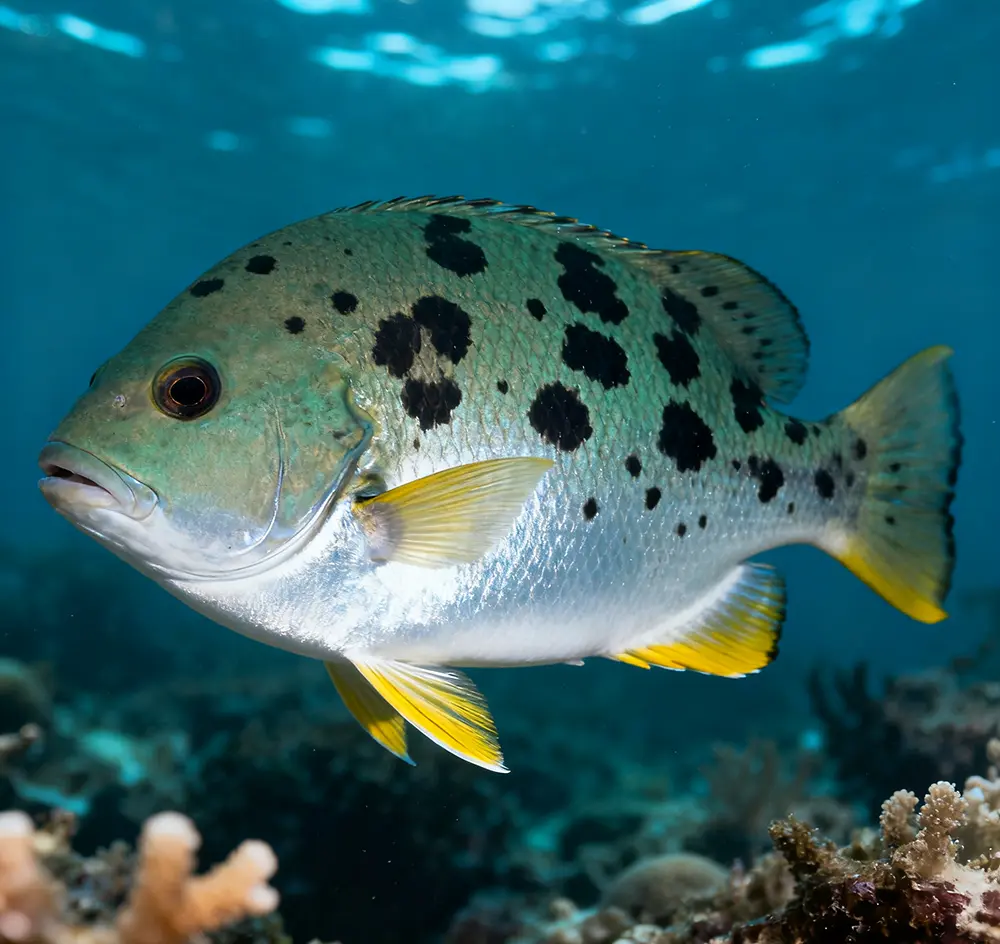
4Bluefin Tuna: Biology and Fisheries Value of a Tropical Oceanic Wanderer
5Red Cod| Rockfish | Rosefish: Biology and Sustainable Utilization of a Deep-Sea Delicacy
6Deep-sea Eels | Eels—Muraenidae: The Secret Predators of the Abyss
7Physical Characteristics of Sea Bream | Habits | Edible Value | Species Overview