Current location:首页 > Fish > Physical Characteristics, Habits, Edible Value, Varieties, and Seasonality of Koi
Koi (锦鲤) is a variety of common carp (Common Carp), typically renowned for
its vibrant colors and patterns. Japanese Koi (Japanese Koi)
- Koi have a body shape similar to that of common carp, but their primary distinguishing features are their vibrant colors and patterns.
- Koi typically have a flat, laterally compressed body, shaped like an oval or ellipse.
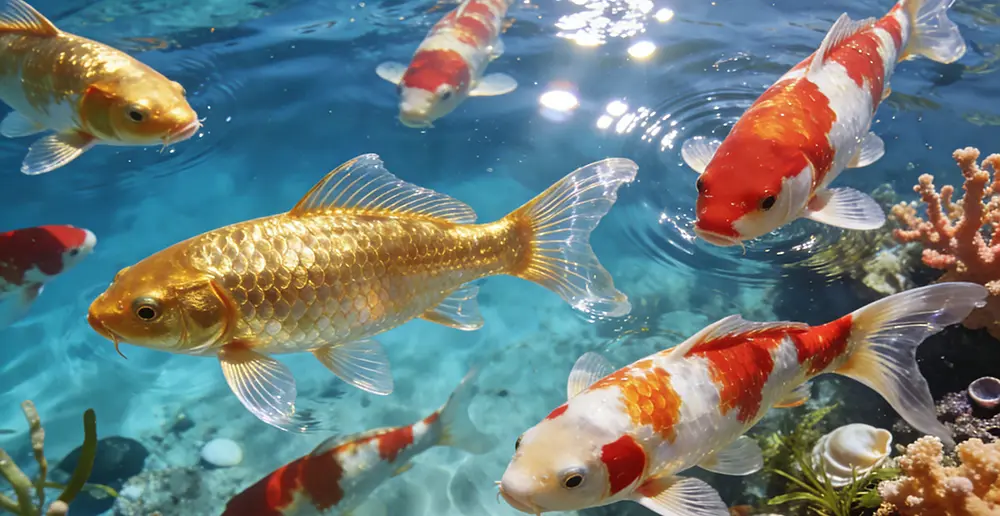
- Koi come in a wide variety of colors and patterns, including combinations of orange, red, yellow, white, blue, black, and more. Different varieties of koi possess distinct color and pattern characteristics, such as floral patterns, spots, and stripes.
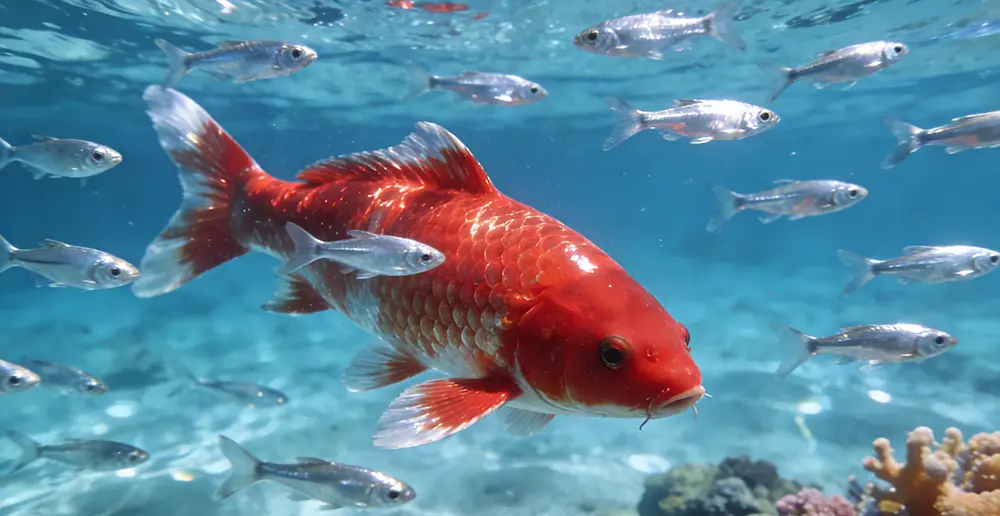
- Koi typically inhabit still or gently flowing freshwater environments, such as ponds, pools, rivers, and lakes.
- They are omnivorous, feeding on plants, insects, algae, and other small aquatic organisms.
- Koi are generally not consumed as food but are primarily kept as ornamental fish.
- Due to their unique colors and patterns, koi are highly popular in garden ponds and courtyard water features, where they are kept for aesthetic purposes.
- Koi varieties are extremely diverse, with hundreds of different color and pattern combinations. Some common koi varieties include:
- Dragon Koi: Koi with dragon-like markings.
- Orange or Red Kohaku: Koi with large red or orange markings on a white body.
- Tancho Koi: Koi with a single red spot on the head.
- Showa Koi: Koi with white and red spots on a black body.
- Asagi Koi: Koi with red markings on a blue body.
- Ogon Koi: Koi with a metallic sheen over their entire body.
Koi are a beloved ornamental fish, and their unique colors and patterns make them a highlight of aquatic landscapes.
Koi are typically active during the warmer seasons, from spring through fall. They are sensitive to temperature and climatic conditions, so in winter—especially during cold spells—they usually slow down and enter a state of dormancy. During warmer seasons, koi are more likely to remain active and continue growing.
Below are the general behavioral characteristics of koi in different seasons:
1. Spring: Spring is the active season for koi. As water temperatures begin to rise—typically above 15°C (59°F)—they become active and begin foraging for food. Spring is also the breeding season, during which koi spawn.
2. Summer: In summer, water temperatures are higher, and koi’s appetites typically increase. They may be more active during this season, but in extreme heat, it is important to monitor oxygen levels in the water to ensure their health.
3. Fall: Fall is an excellent time to admire koi, as their colors become more vibrant in cooler temperatures. During this season, koi remain active while preparing for hibernation. They may reduce their food intake and begin to slow down in activity as they gear up for winter.
4. Winter: In winter, when water temperatures drop to lower levels, koi typically slow down their activity and enter a state of hibernation. In cold temperatures, their appetite virtually ceases, and they eat very little. To protect the health of koi, especially in extremely cold regions, measures can be taken to ensure the water does not freeze completely, thereby maintaining an adequate supply of oxygen.
The active seasons for koi depend on water temperature and climatic conditions. Spring through fall are their most active seasons, while winter is when they slow down and enter hibernation.
Morphological Characteristics, Habits, Edible Value, Varieties, and Seasonality of Sawfish
Home Back to ColumnPhysical Characteristics, Habits, Edible Value, Varieties, and Seasonality of the Golden Arowana
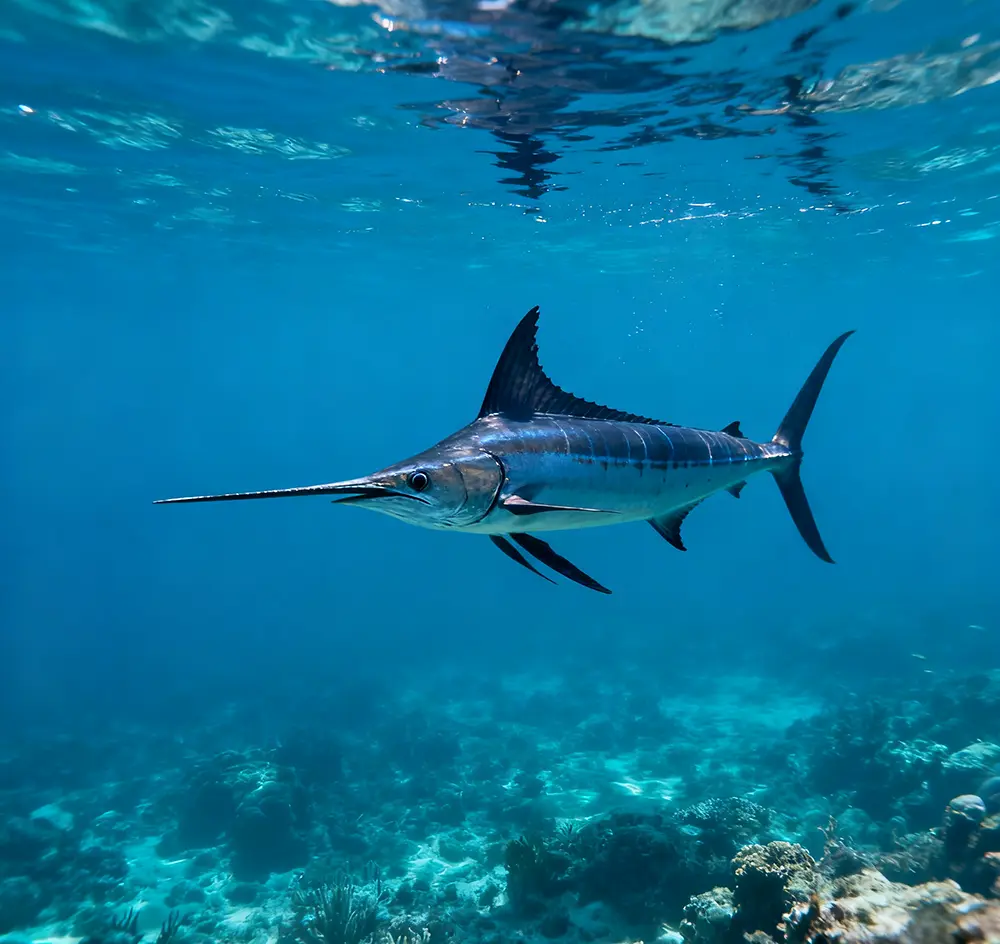 Swordfish: The Silver Blade of the Ocean
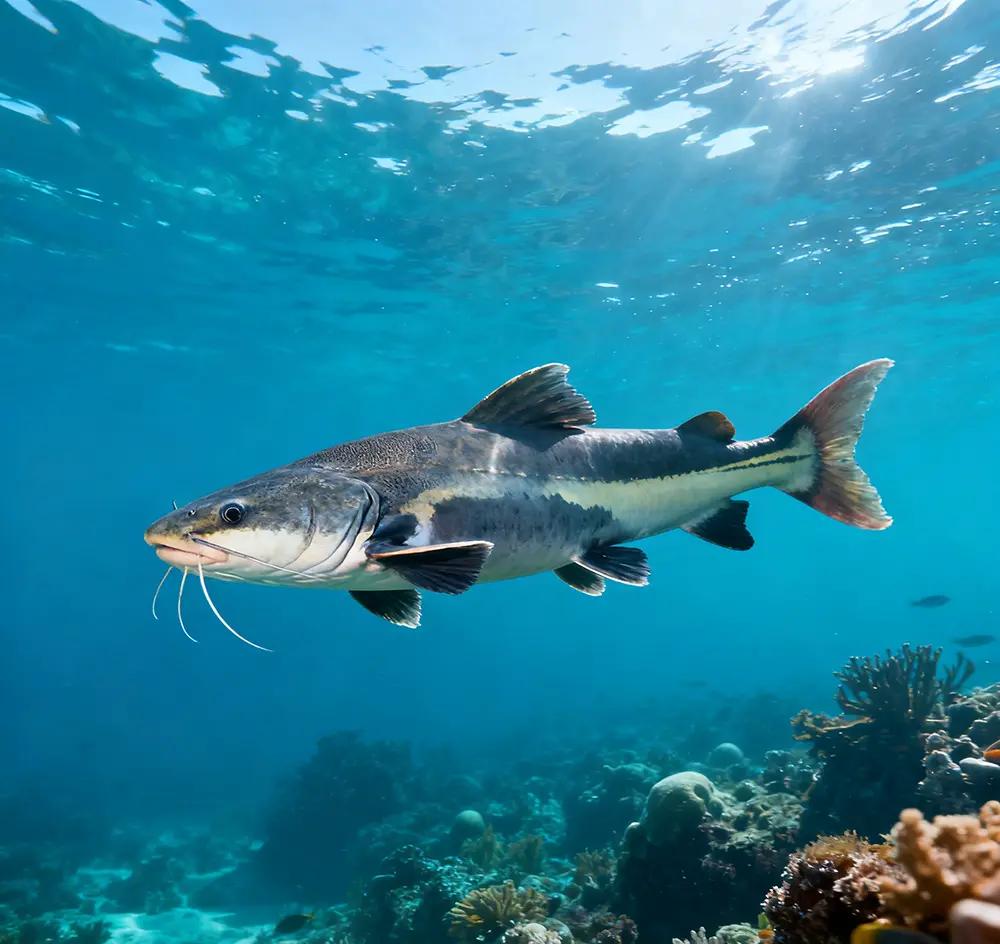 Hardhead Catfish Decoded: Morphology, Habits, Edible Value, Varieties, and Timing
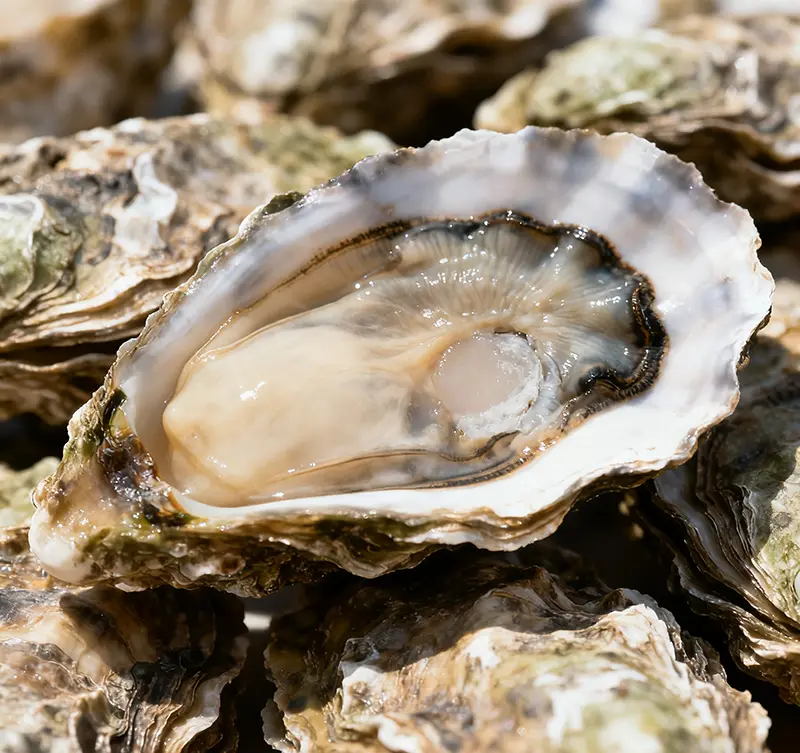 Oysters: Living Filters of the Ocean
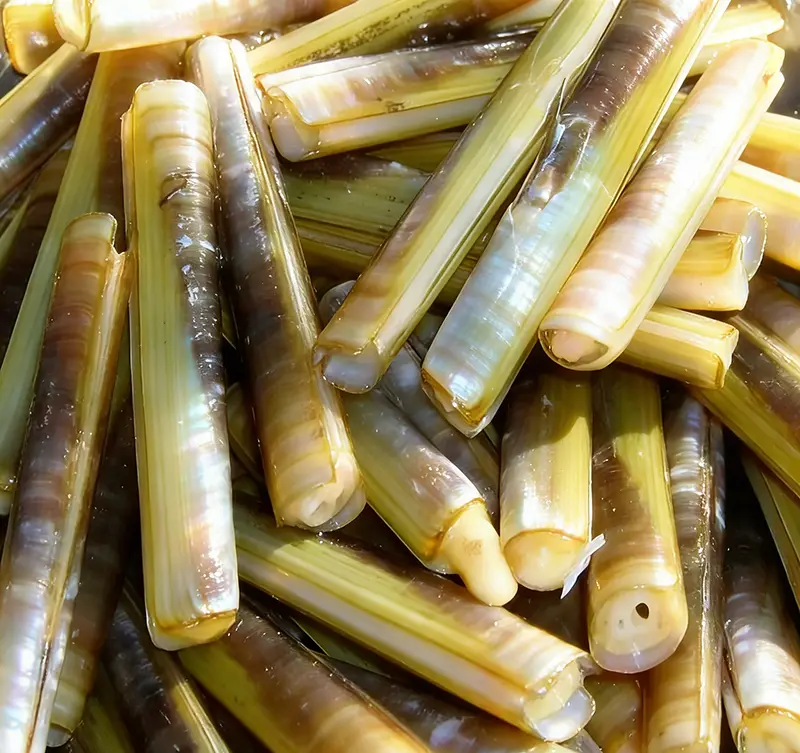 On the Bamboo Clam: Morphology, Burrowing Habits, Edible Value, Species Diversity, and Seasonal Occu
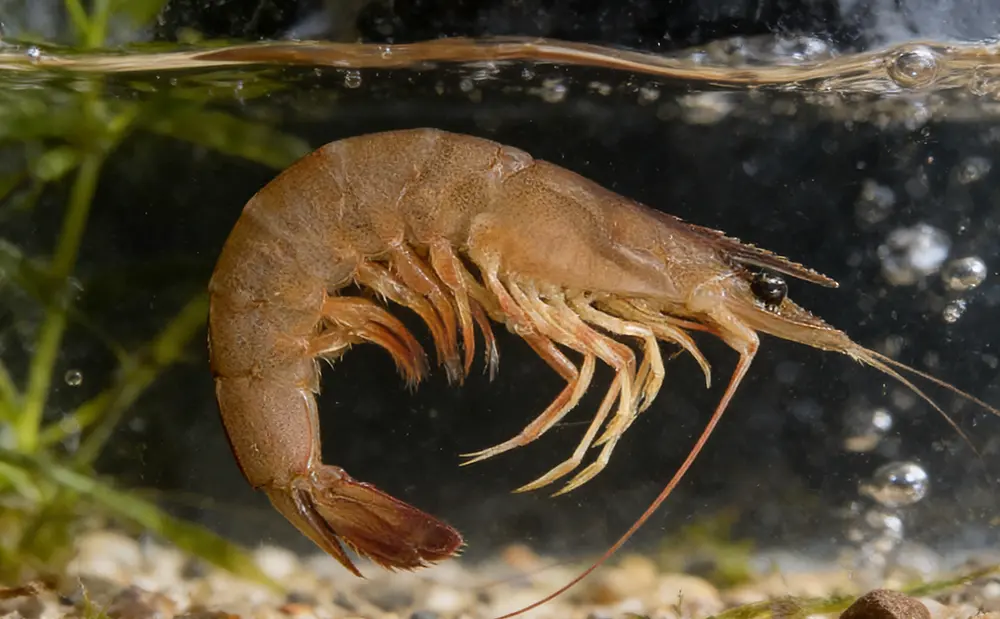 Comprehensive Study of the Giant Tiger Prawn (Penaeus monodon) in Indonesian Waters
Comprehensive Study of the Giant Tiger Prawn (Penaeus monodon) in Indonesian Waters
Oysters: Living Filters of the Ocean
Oysters: Living Filters of the Ocean
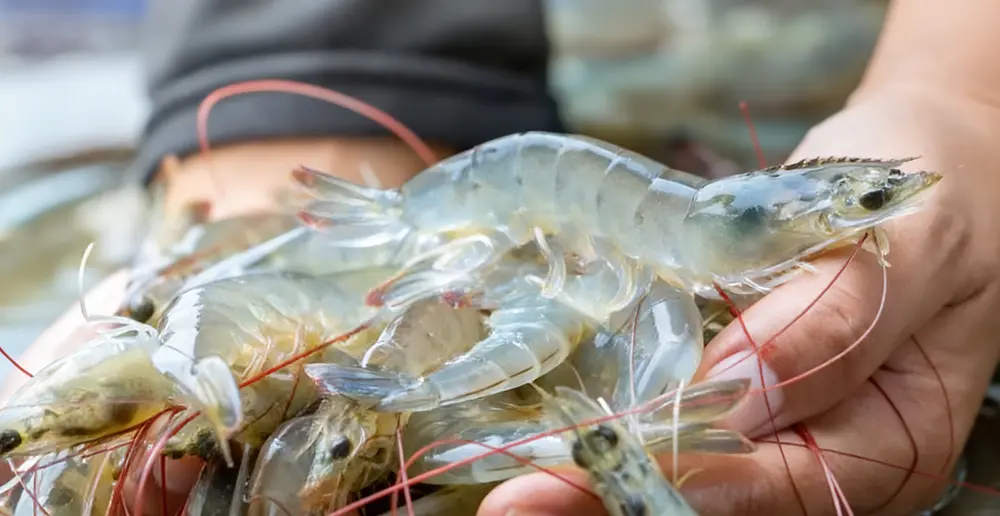 A Comprehensive Analysis of the Indonesian White Prawn (Penaeus merguiensis)
A Comprehensive Analysis of the Indonesian White Prawn (Penaeus merguiensis)
4Glass Catfish Unveiled: Morphological Traits, Daily Life, Ornamental Appeal, Strains, and Seasonal C
5Red Cod| Rockfish | Rosefish: Biology and Sustainable Utilization of a Deep-Sea Delicacy
6Physical Characteristics of the Checkerboard Wrasse | Habits | Edible Value | Varieties | Seasonalit
7Physical Characteristics of Sea Bream | Habits | Edible Value | Species Overview
8Moray eel | Eels—Muraenidae: The Secret Predators of the Abyss
9Bluefin Tuna: Biology and Fisheries Value of a Tropical Oceanic Wanderer
10Silver Cod Essentials: Form, Living Behavior, Taste, Types, and Peak Seasons