Current location:首页 > Fish > Physical Characteristics of Angelfish | Habits | Edible Value | Varieties | Seasonality
The Chinese name for angelfish is “天使鱼,” and it generally has no specific
alternative names. There are numerous varieties and subspecies of angelfish,
some of which are popular choices for home aquariums, such as:
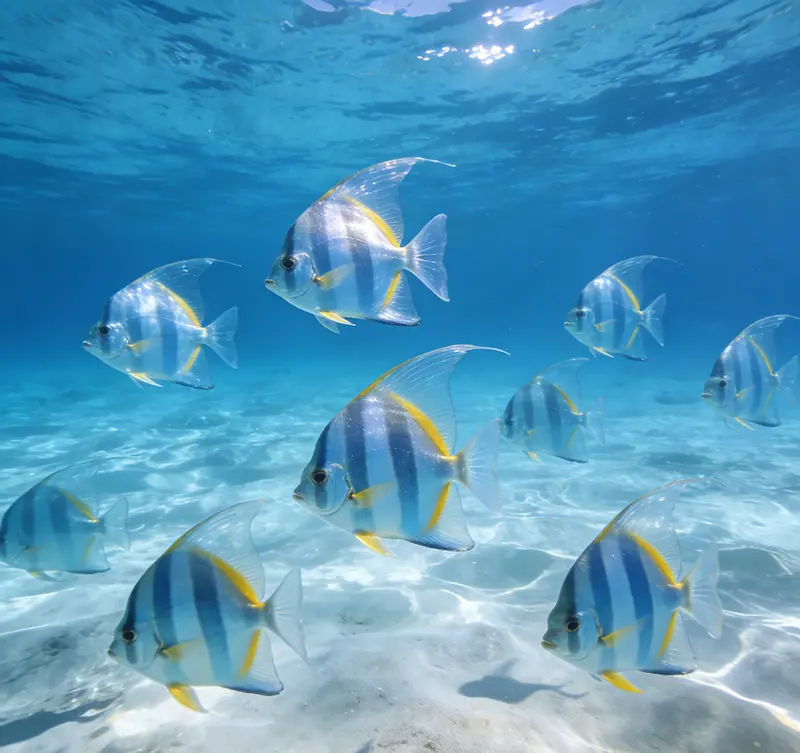
1. Zebra Angelfish (Pterophyllum scalare): This is one of the most common angelfish varieties, featuring black and silver markings.
2. Golden Angelfish: These angelfish have a golden-yellow body color and are a color variant.
3. Black Angelfish: Compared to the common angelfish, the black angelfish has a darker body color, typically dark brown or black.
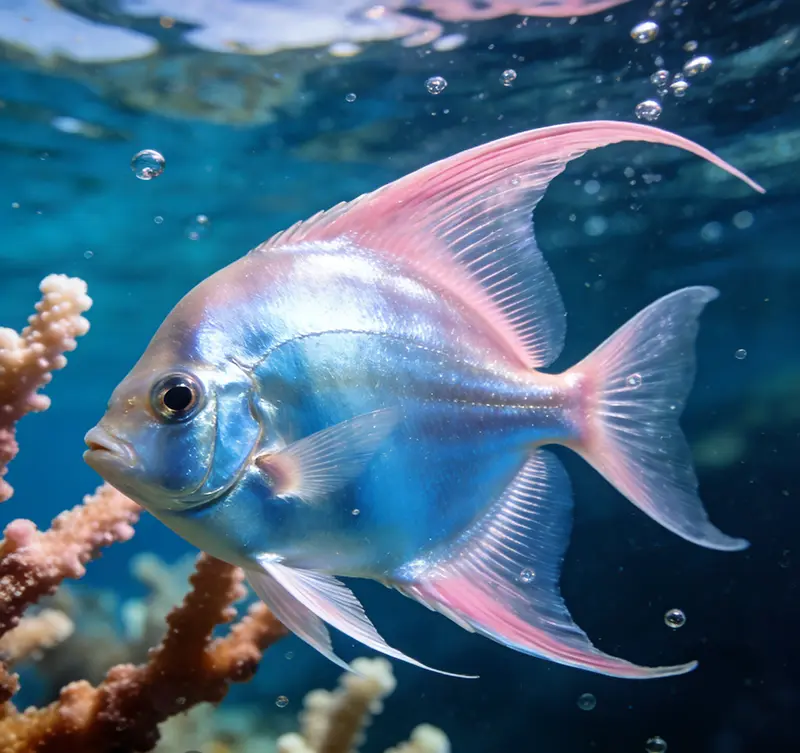
Angel fish are tropical freshwater fish known for their unique appearance. They typically have silver or golden bodies, with black horizontal stripes or spots covering their sides. These markings make them resemble angels with outstretched wings, hence their name. Angel fish have a laterally compressed, diamond-shaped body, and their caudal and dorsal fins extend into long, pointed tips, giving them an elegant appearance in the water.
1. Habitat: Angel fish typically inhabit rivers, streams, and swamps in the tropical rainforests of South America. They require clear water and dense aquatic vegetation for their habitat.
2. Social Behavior: Angel fish are social creatures that usually form small groups. They establish social hierarchies among themselves and may occasionally exhibit territorial behavior and territorial disputes.
3. Diet: Angel fish are omnivorous, feeding on aquatic insects, small invertebrates, and plant matter. In home aquariums, they generally accept a variety of commercial fish foods.
Although angelfish are very popular in home aquariums, they are not a food fish. They are primarily prized for their beautiful appearance and ornamental value, rather than for their edible qualities. Angelfish are bred and displayed in aquariums, and their diverse appearances make them one of the top choices among ornamental fish. Breeding and caring for these fish requires maintaining appropriate water quality and temperature conditions to ensure their health and well-being.
Angel fish are tropical freshwater species that are generally not affected by seasonal changes, as they inhabit the consistently warm waters of the tropics. They are primarily found in the tropical regions of South America, such as the Amazon River basin. In these areas, water temperatures remain relatively stable, so the angel fish’s lifestyle and reproductive behavior are not significantly impacted by seasonal variations.
However, it is important to note that in a home aquarium setting, water temperature and lighting conditions may need to be artificially controlled to mimic their natural habitat. Therefore, regardless of the season, angel fish kept in aquariums generally live under stable water temperature and water quality conditions. If you plan to keep angel fish, ensuring suitable water temperature and water quality is essential.
Physical Characteristics of the Checkerboard Wrasse | Habits | Edible Value | Varieties | Seasonalit
Home Back to ColumnPhysical Characteristics of the Rainbow Rosefish | Habits | Edible Value | Varieties | Seasonality
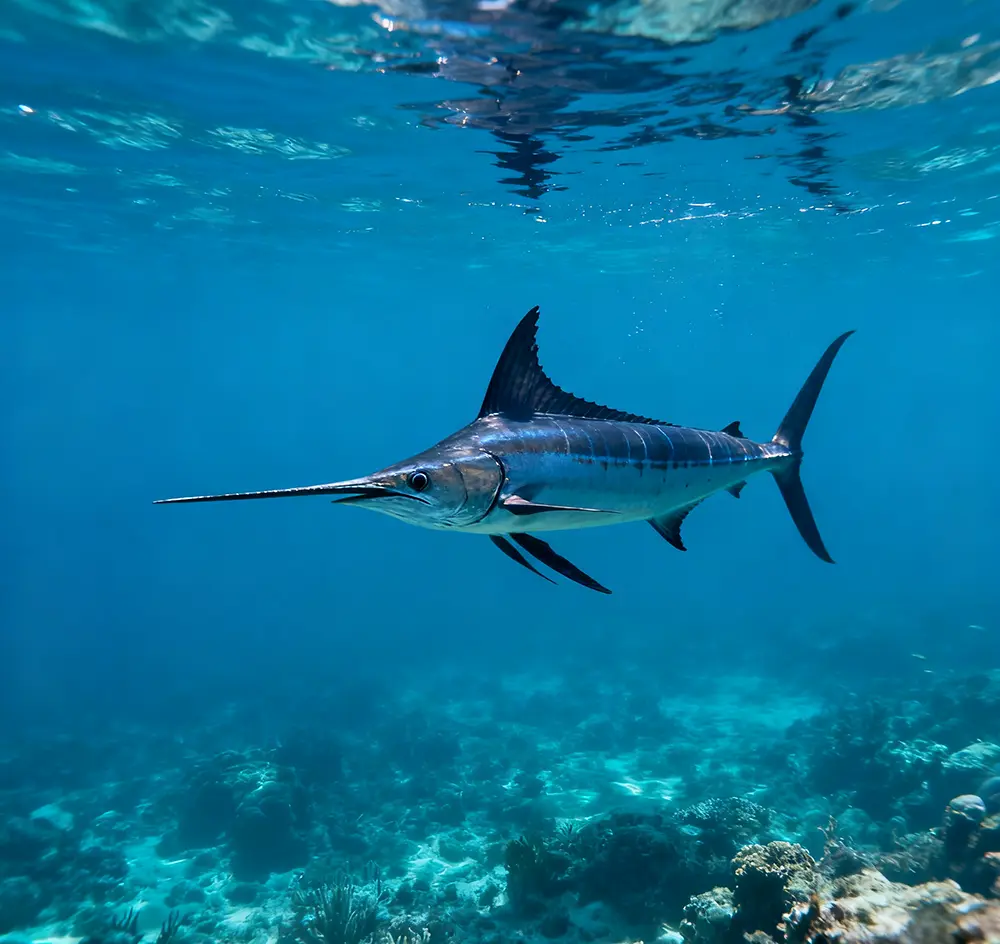 Swordfish: The Silver Blade of the Ocean
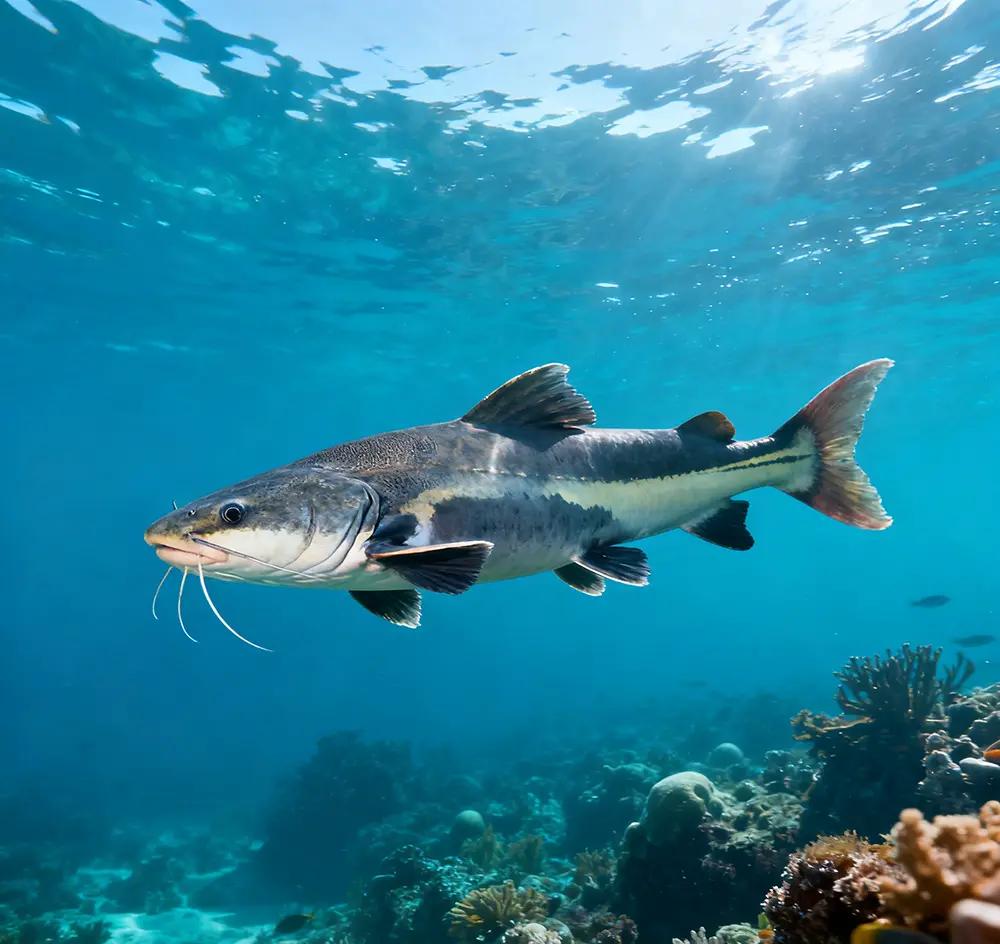 Hardhead Catfish Decoded: Morphology, Habits, Edible Value, Varieties, and Timing
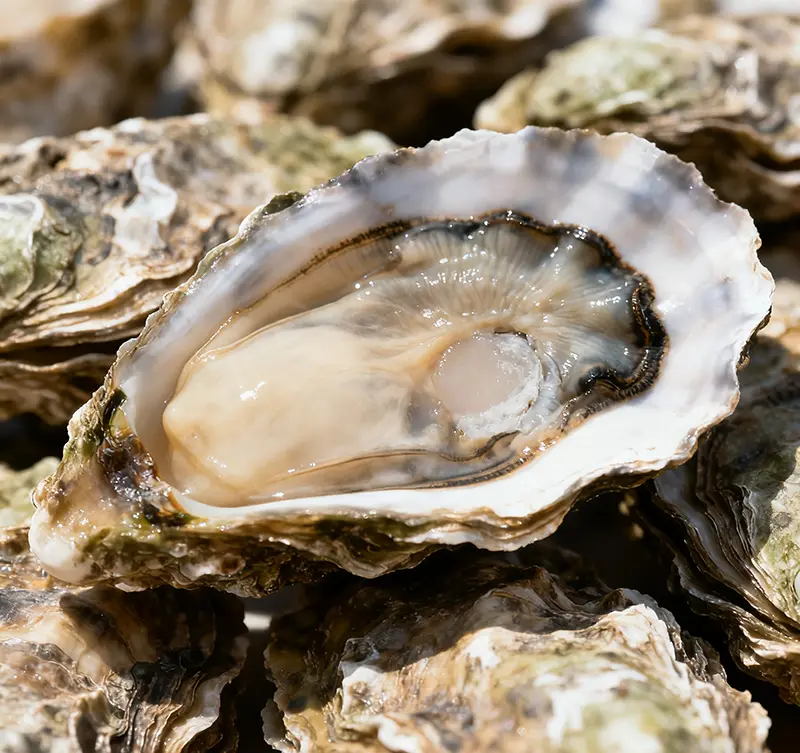 Oysters: Living Filters of the Ocean
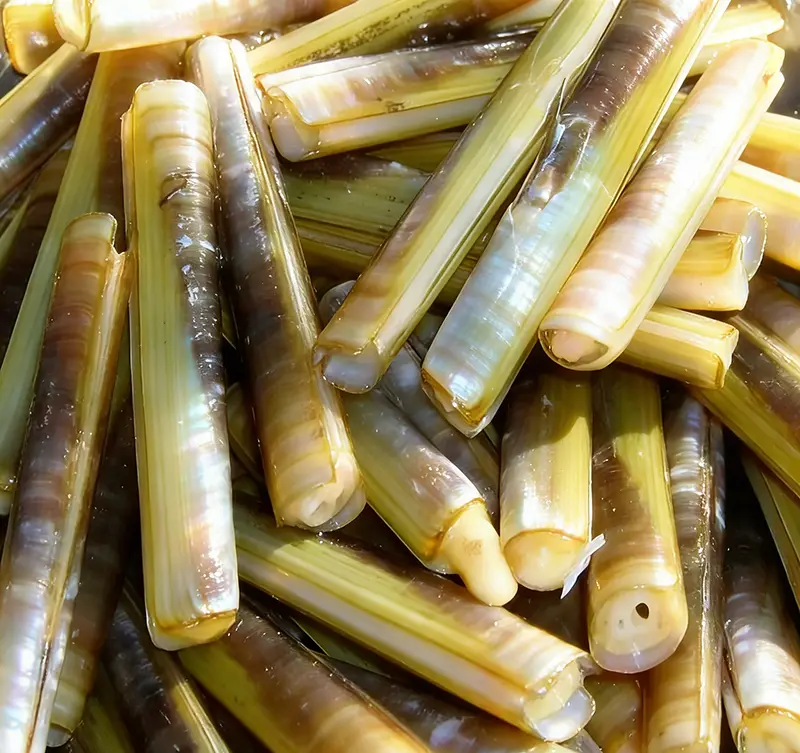 On the Bamboo Clam: Morphology, Burrowing Habits, Edible Value, Species Diversity, and Seasonal Occu
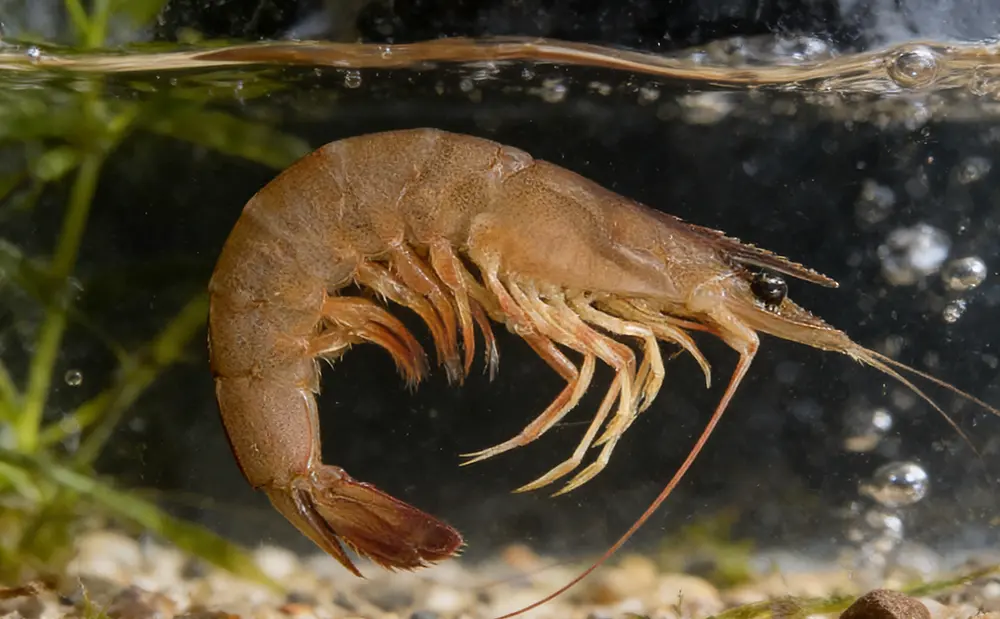 Comprehensive Study of the Giant Tiger Prawn (Penaeus monodon) in Indonesian Waters
Comprehensive Study of the Giant Tiger Prawn (Penaeus monodon) in Indonesian Waters
Oysters: Living Filters of the Ocean
Oysters: Living Filters of the Ocean
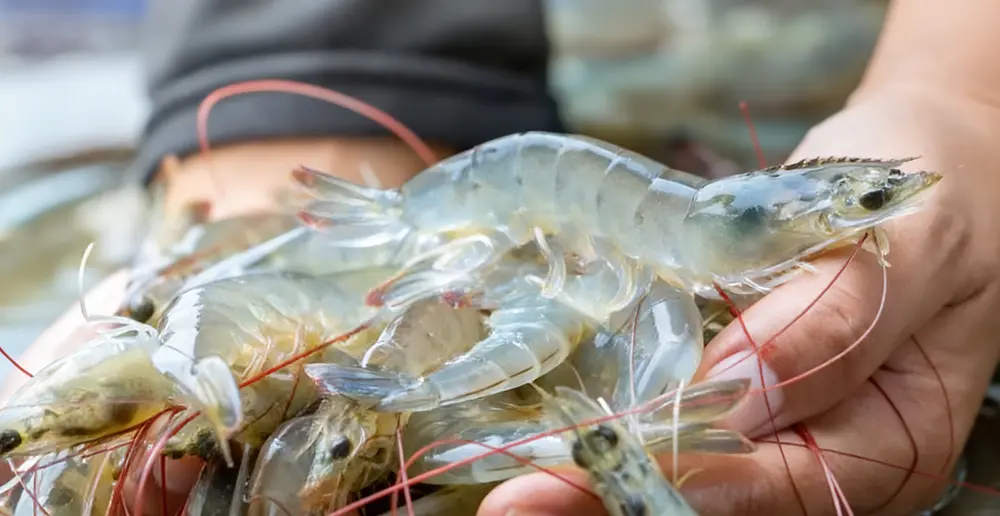 A Comprehensive Analysis of the Indonesian White Prawn (Penaeus merguiensis)
A Comprehensive Analysis of the Indonesian White Prawn (Penaeus merguiensis)
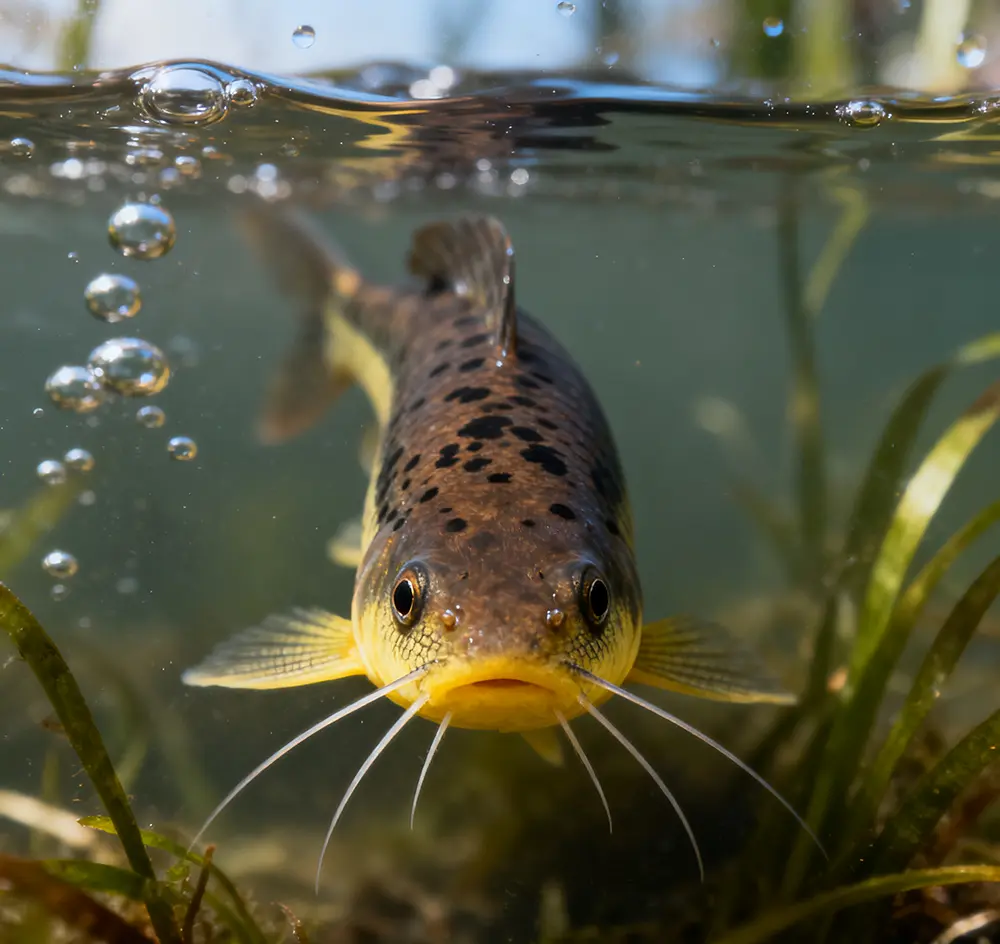
4Glass Catfish Unveiled: Morphological Traits, Daily Life, Ornamental Appeal, Strains, and Seasonal C
5Red Cod| Rockfish | Rosefish: Biology and Sustainable Utilization of a Deep-Sea Delicacy
6Physical Characteristics of the Checkerboard Wrasse | Habits | Edible Value | Varieties | Seasonalit
7Physical Characteristics of Sea Bream | Habits | Edible Value | Species Overview
8Moray eel | Eels—Muraenidae: The Secret Predators of the Abyss
9Bluefin Tuna: Biology and Fisheries Value of a Tropical Oceanic Wanderer
10Silver Cod Essentials: Form, Living Behavior, Taste, Types, and Peak Seasons