Current location:首页 > Fish > Physical Characteristics, Habits, Edible Value, Species Overview, and Seasonality of the Blue Whale
The blue whale (蓝鲸鱼) is the largest whale and the largest animal in the world. Its English name is the same as its common name. It is a species within the genus Balaenoptera, and its scientific name is Balaenoptera musculus.
- Blue whales are typically bluish-gray or bluish-black in color, with a darker back and a lighter belly.
- Their bodies are extremely long, typically reaching 82 to 105 feet (25 to 32 meters) or more; the longest known blue whale measured 108 feet (33 meters).
- Blue whales have a very large mouth filled with tiny baleen plates used for filter-feeding.
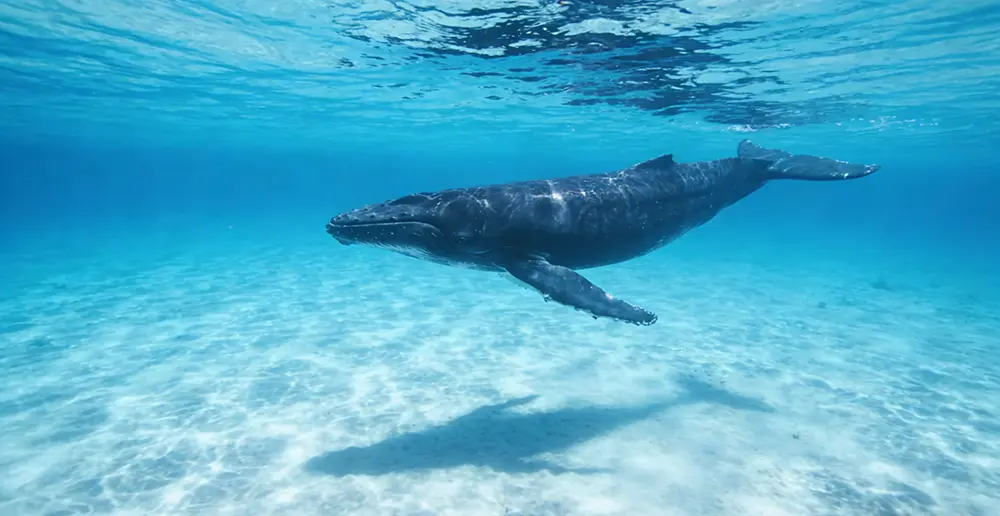
- Blue whales are marine mammals that typically inhabit the deep ocean but also forage in shallower waters.
- They are migratory animals that move with the seasons and the distribution of food.
- Blue whales are solitary animals and do not typically form communities with other blue whales.
- Blue whales are not consumed as food because they are a protected species; hunting or fishing for blue whales is prohibited internationally.
- Their primary food source is plankton, particularly small crustaceans and small fish.
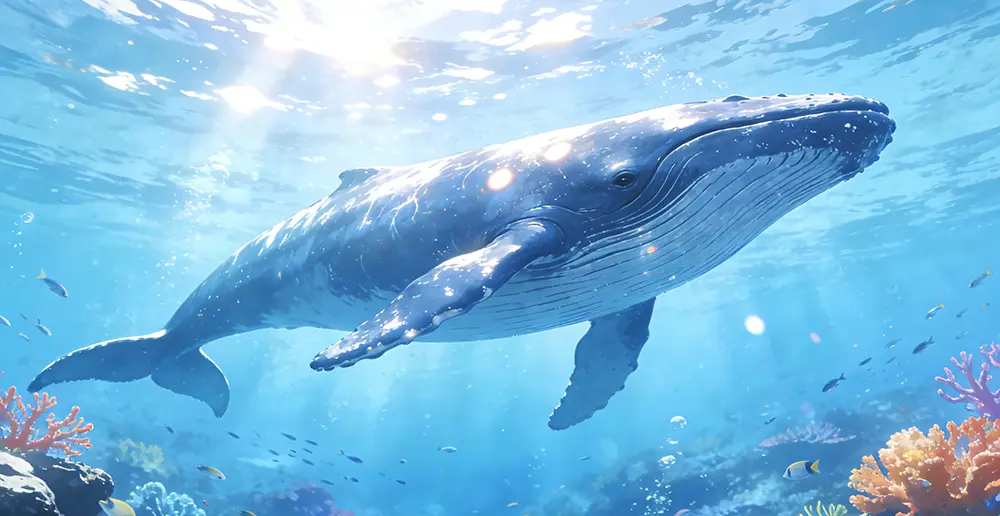
The migration and distribution of blue whales are influenced by seasonal factors, though this also varies by geographic location. Generally, they appear in different regions during different seasons, primarily for feeding.
Blue whales typically migrate to cold polar waters during the summer and fall, which serve as their primary feeding grounds. In these regions, they seek plankton—particularly small crustaceans and small fish—as their main food source. These areas generally include the Arctic, Antarctic, and other cold seas.
As the seasons change, blue whales may migrate to different waters to follow the distribution of plankton. By the end of spring and summer, they may leave polar waters and migrate to warmer seas or more suitable regions. The migration routes and seasonal appearances of blue whales vary by population and individual.
Blue whales are magnificent creatures, but because they are widely protected,
hunting them is strictly prohibited under international law. The primary threats
they currently face include climate change, pollution, and ecosystem
disturbances. Blue whales play a vital role in the ecosystem, and protecting
them is essential for maintaining the balance of marine ecosystems. Therefore,
when observing or studying blue whales, it is imperative to comply with
international and local laws to ensure their safety and protection.
Morphological Characteristics, Habits, Edible Value, Species Overview, and Seasonality of BluefinTun
Home Back to ColumnMorphological Characteristics | Habits | Edible Value | Species Overview of the Tonguefishes
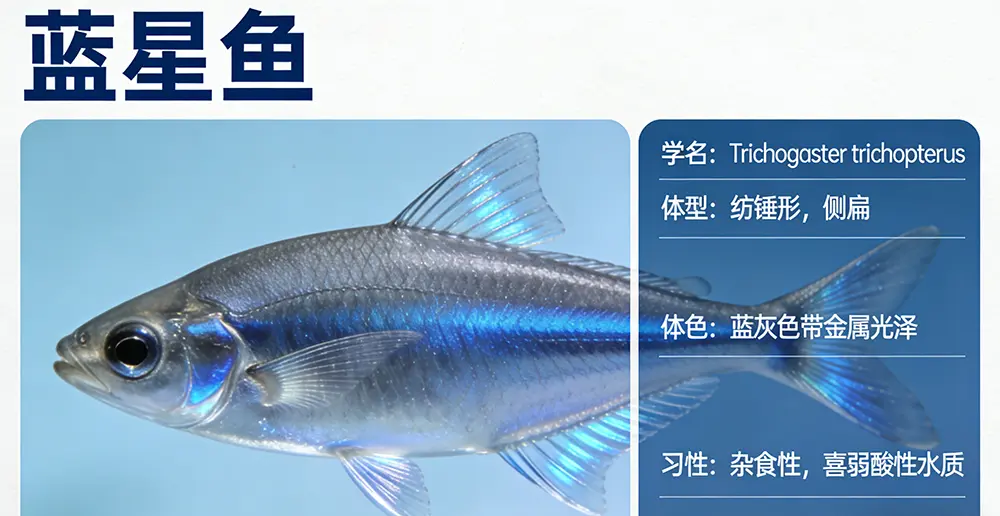
Physical Characteristics of the Blue Starfish | Habits | Edible Value | Varieties | Seasonality
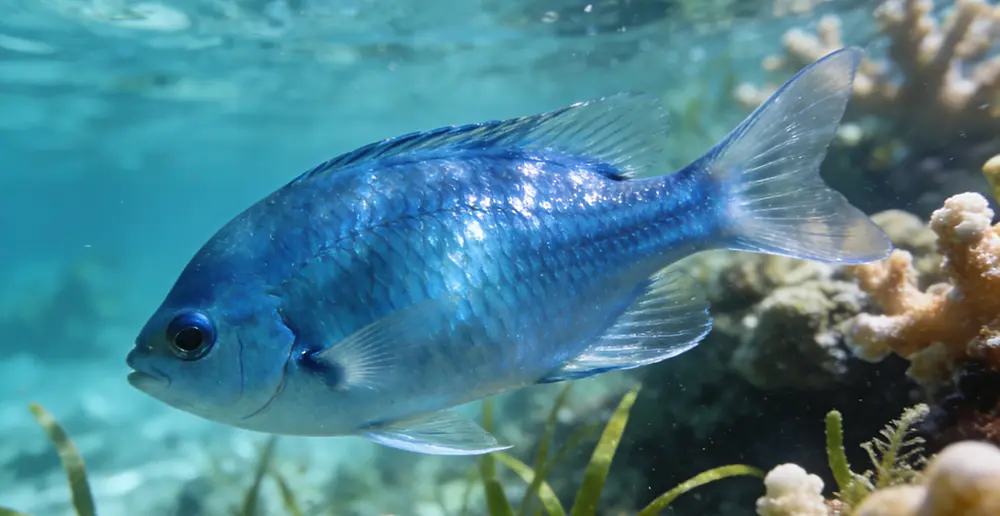
Physical Characteristics of the Blue Wrasse | Habits | Edible Value | Species Overview | Seasonality
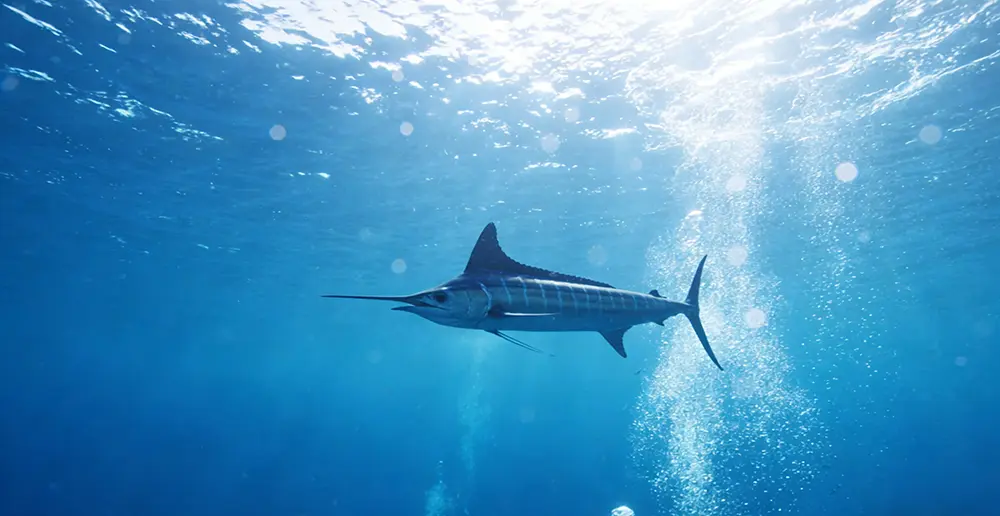
Morphological Characteristics, Habits, Edible Value, Species Overview, and Seasonality of BluefinTun
Physical Characteristics, Habits, Edible Value, Species Overview, and Seasonality of the Blue Whale
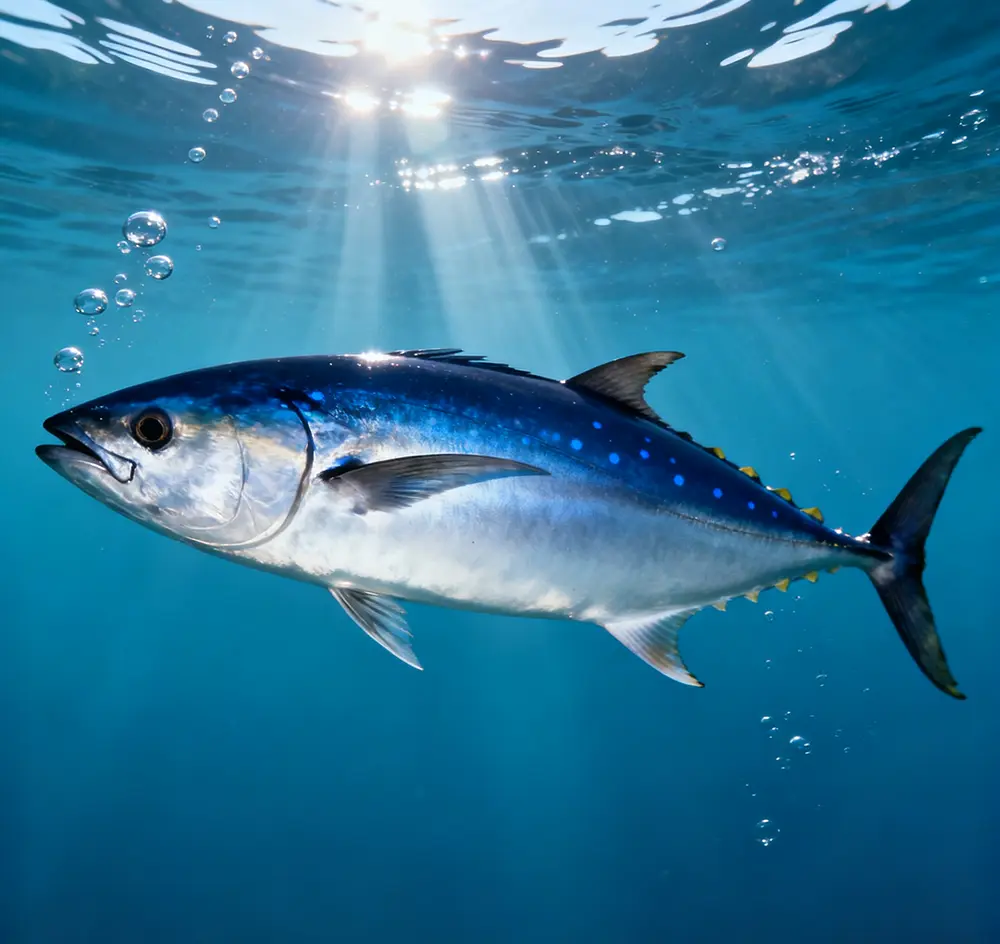
Bluefin Tuna: Biology and Fisheries Value of a Tropical Oceanic Wanderer
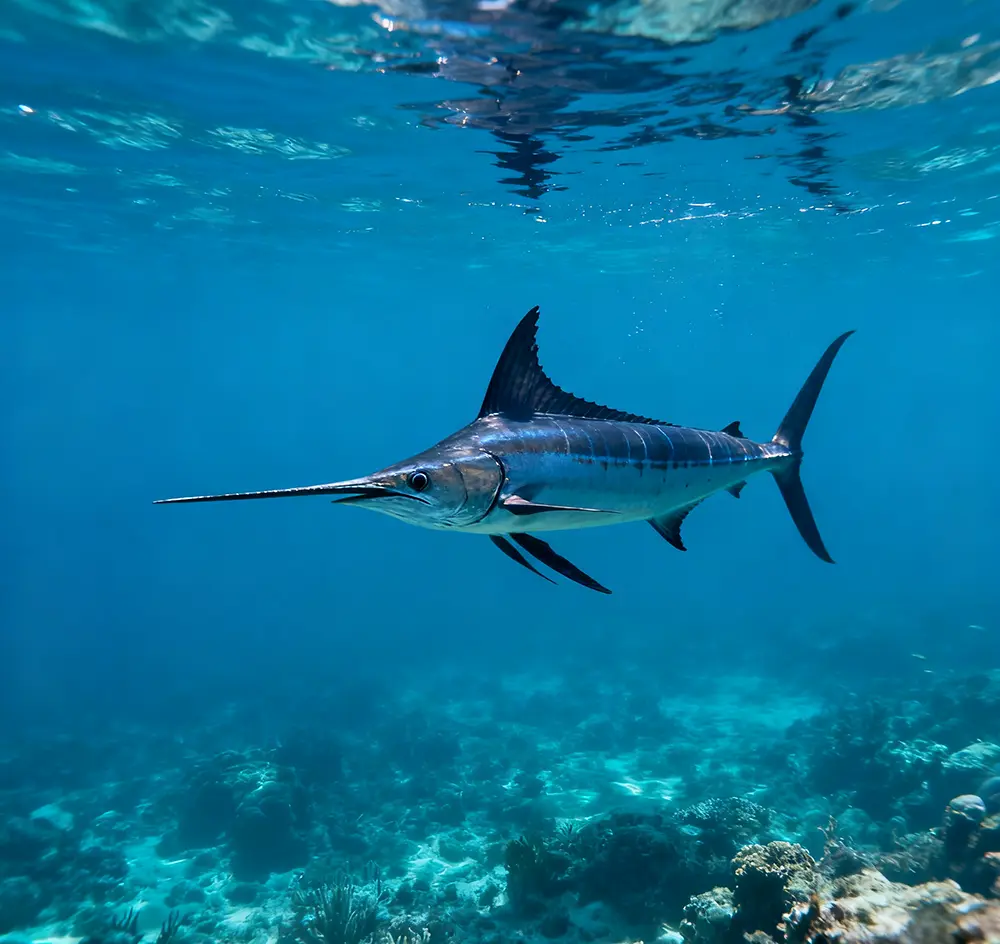 Swordfish: The Silver Blade of the Ocean
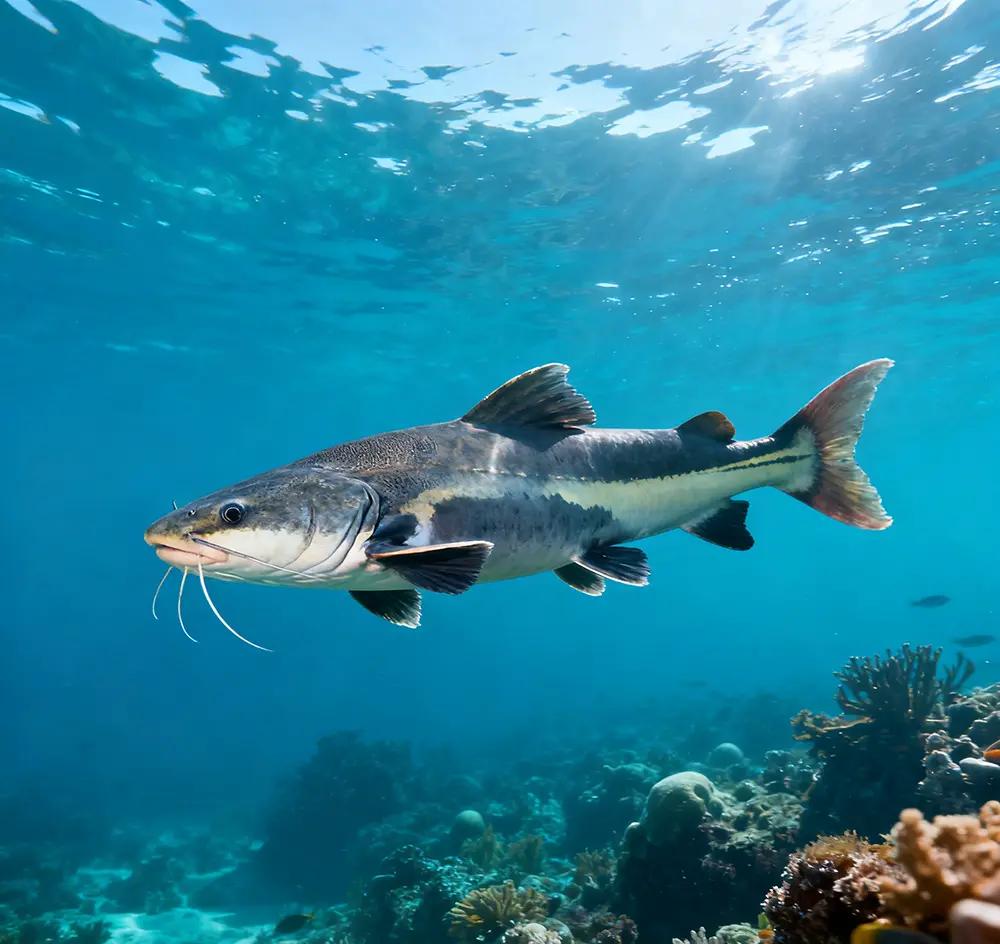 Hardhead Catfish Decoded: Morphology, Habits, Edible Value, Varieties, and Timing
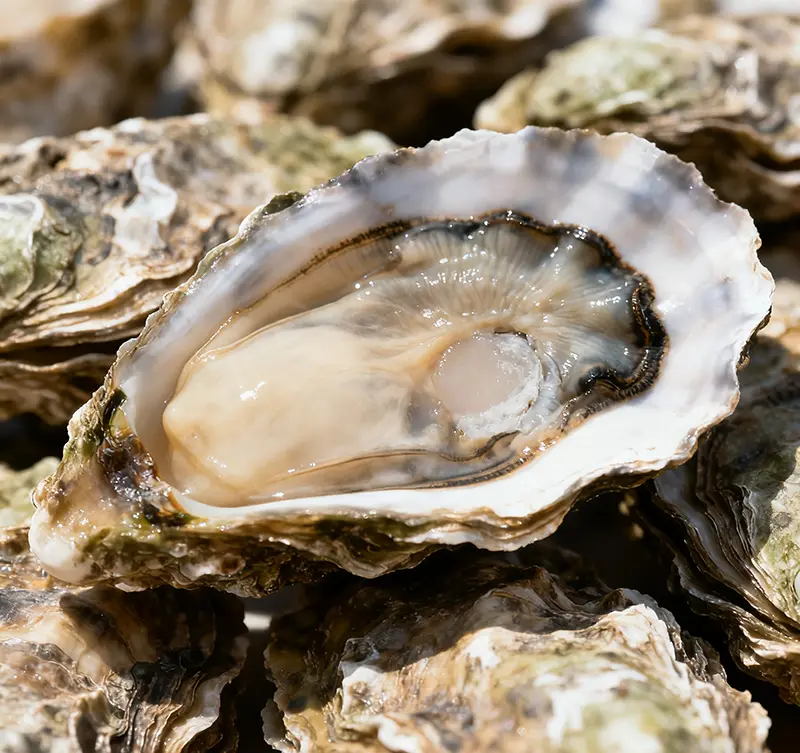 Oysters: Living Filters of the Ocean
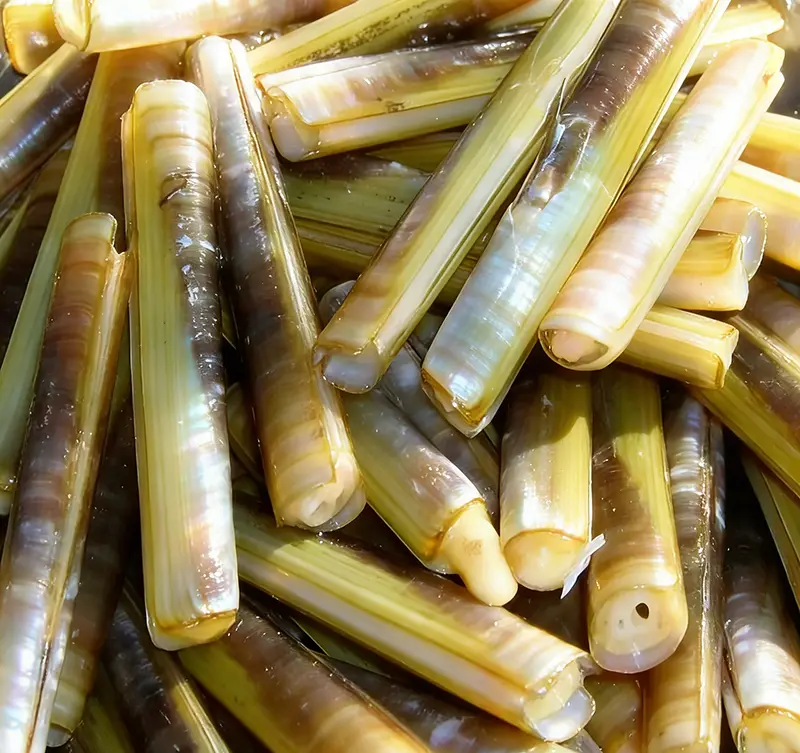 On the Bamboo Clam: Morphology, Burrowing Habits, Edible Value, Species Diversity, and Seasonal Occu
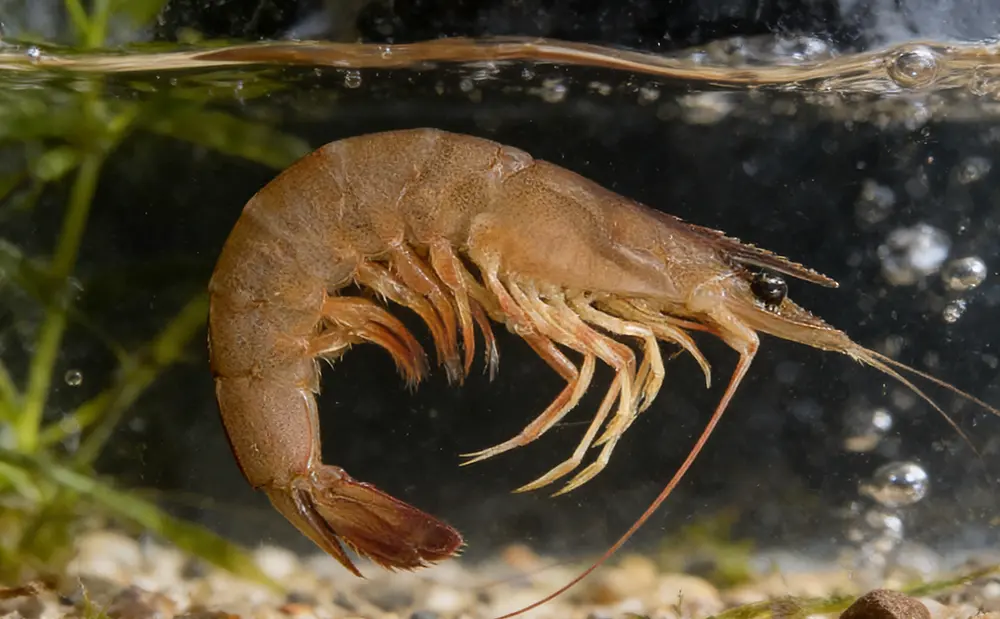 Comprehensive Study of the Giant Tiger Prawn (Penaeus monodon) in Indonesian Waters
Comprehensive Study of the Giant Tiger Prawn (Penaeus monodon) in Indonesian Waters
Oysters: Living Filters of the Ocean
Oysters: Living Filters of the Ocean
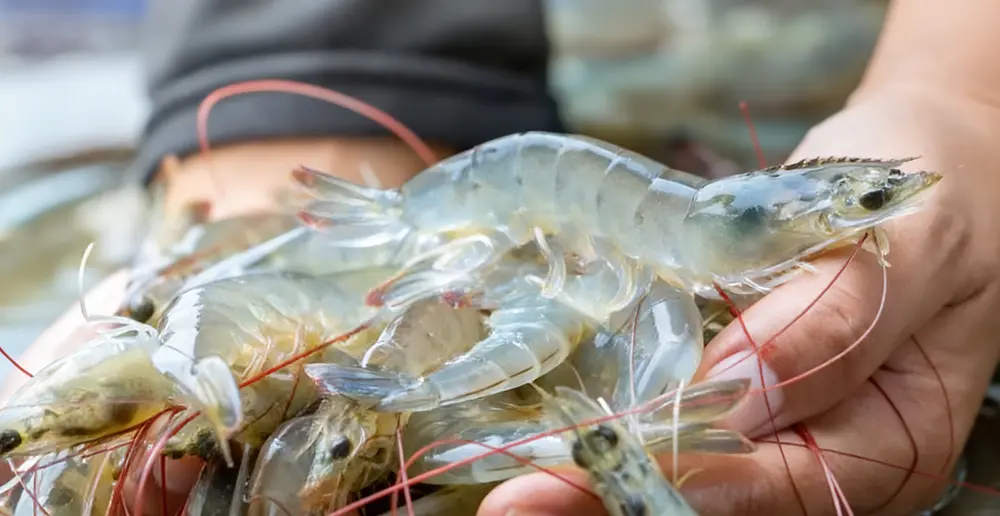 A Comprehensive Analysis of the Indonesian White Prawn (Penaeus merguiensis)
A Comprehensive Analysis of the Indonesian White Prawn (Penaeus merguiensis)
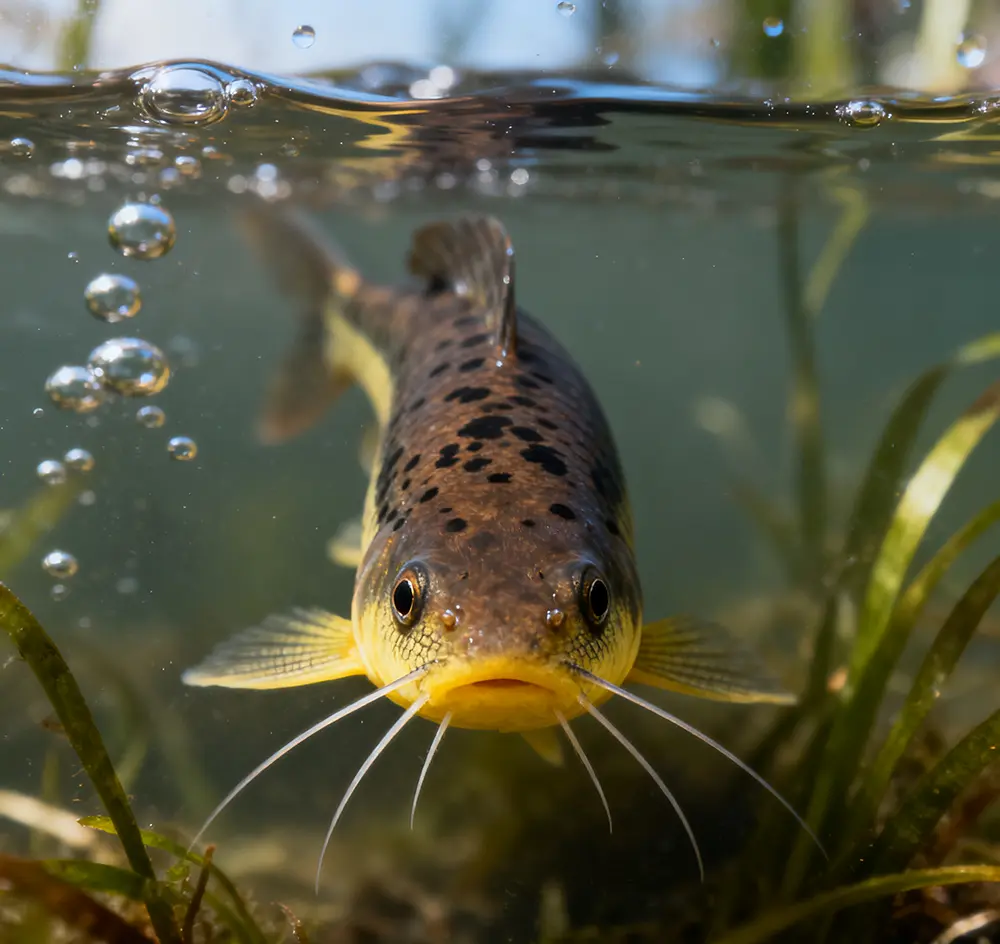
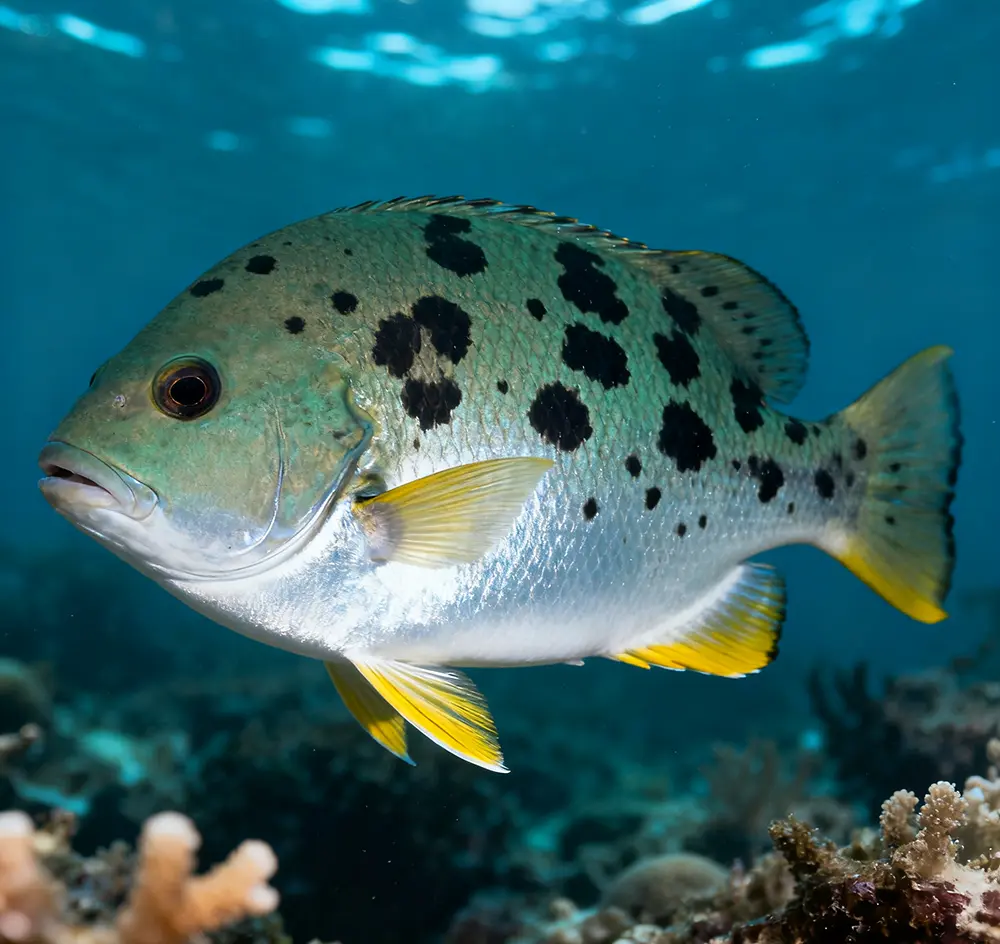
4Glass Catfish Unveiled: Morphological Traits, Daily Life, Ornamental Appeal, Strains, and Seasonal C
5Red Cod| Rockfish | Rosefish: Biology and Sustainable Utilization of a Deep-Sea Delicacy
6Physical Characteristics of the Checkerboard Wrasse | Habits | Edible Value | Varieties | Seasonalit
7Physical Characteristics of Sea Bream | Habits | Edible Value | Species Overview
8Moray eel | Eels—Muraenidae: The Secret Predators of the Abyss
9Bluefin Tuna: Biology and Fisheries Value of a Tropical Oceanic Wanderer
10Silver Cod Essentials: Form, Living Behavior, Taste, Types, and Peak Seasons